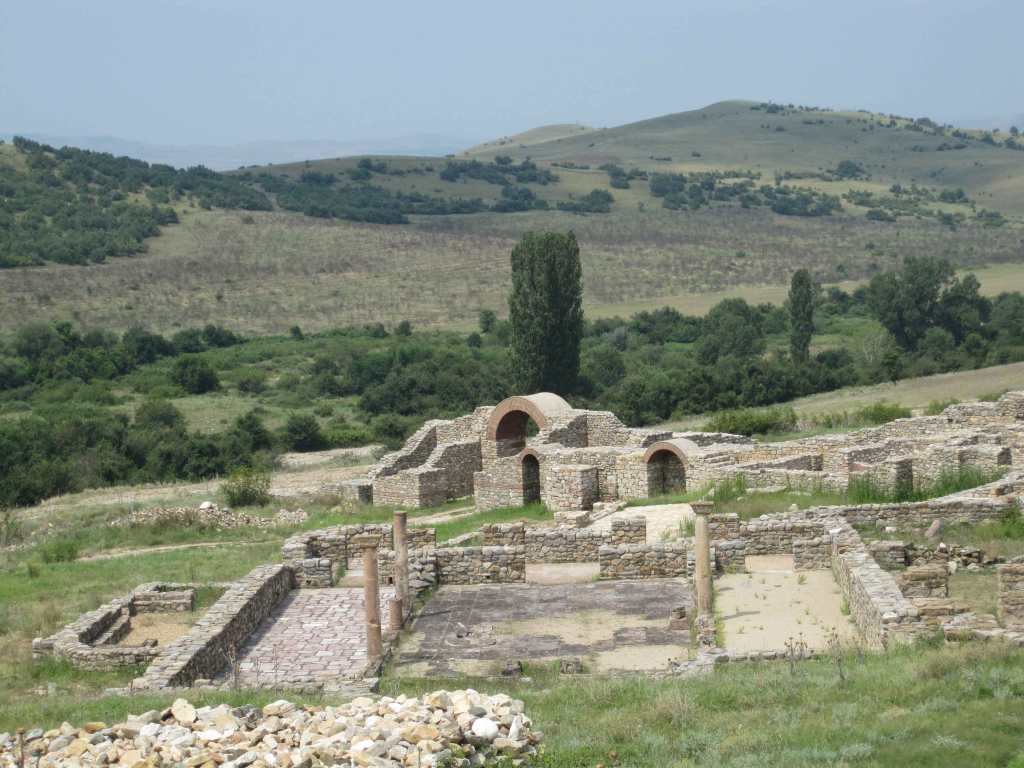
Bargala was one of the more important fortified towns in Macedonia in the Late Antiquity and early Byzantium. It was constructed between the 4th and 6th century AD. Its name is related to the river Bregalnica. The site is very well kept, not overgrown and easily accessible. In 2010 it was free to visit, and we were the only visitors! Bargala is about 16 km from Stip.
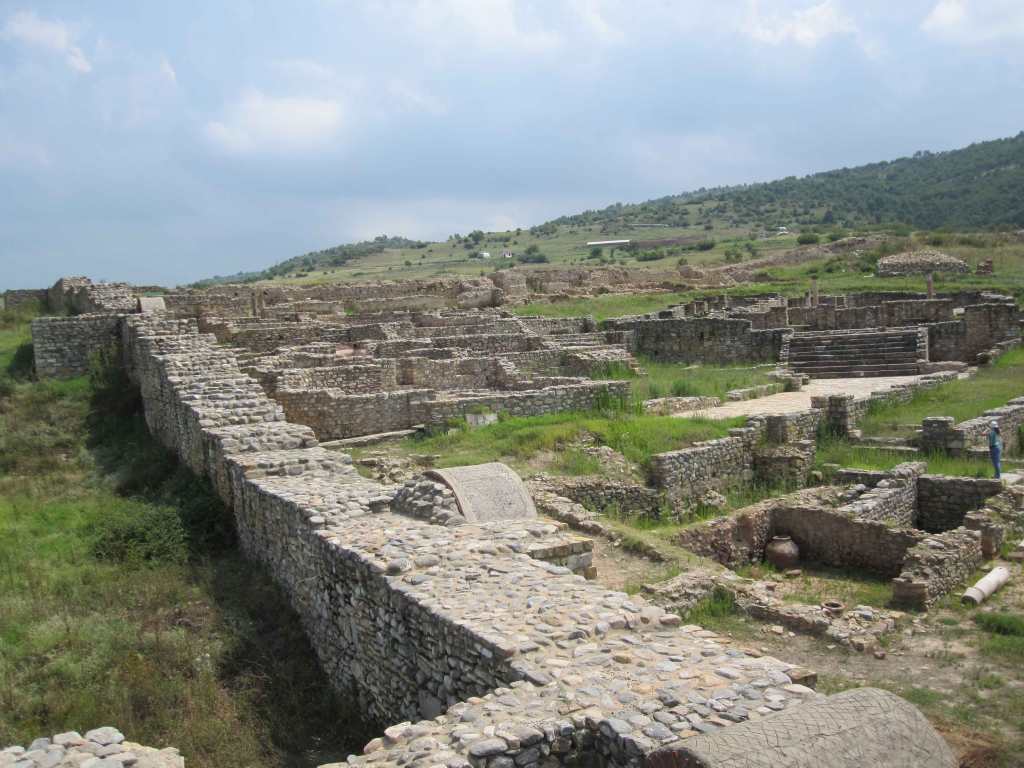
We wandered over the site for almost 2 hours, before we got to the early medieval Church of St George, located right next to Bargala. At St George we met a couple of men who were restoring the church. One of them, called Dobre, was the security guard of Bargala and he was so kind to give us a private tour of the site. Only then it became clear what kind of buildings the ruins exactly represented. Below I will describe what I remember from this enlightening tour
The Gate

The walls surrounding the fortified ancient city Bargala used to be more than 2 m high!

Basilica and Baptistery


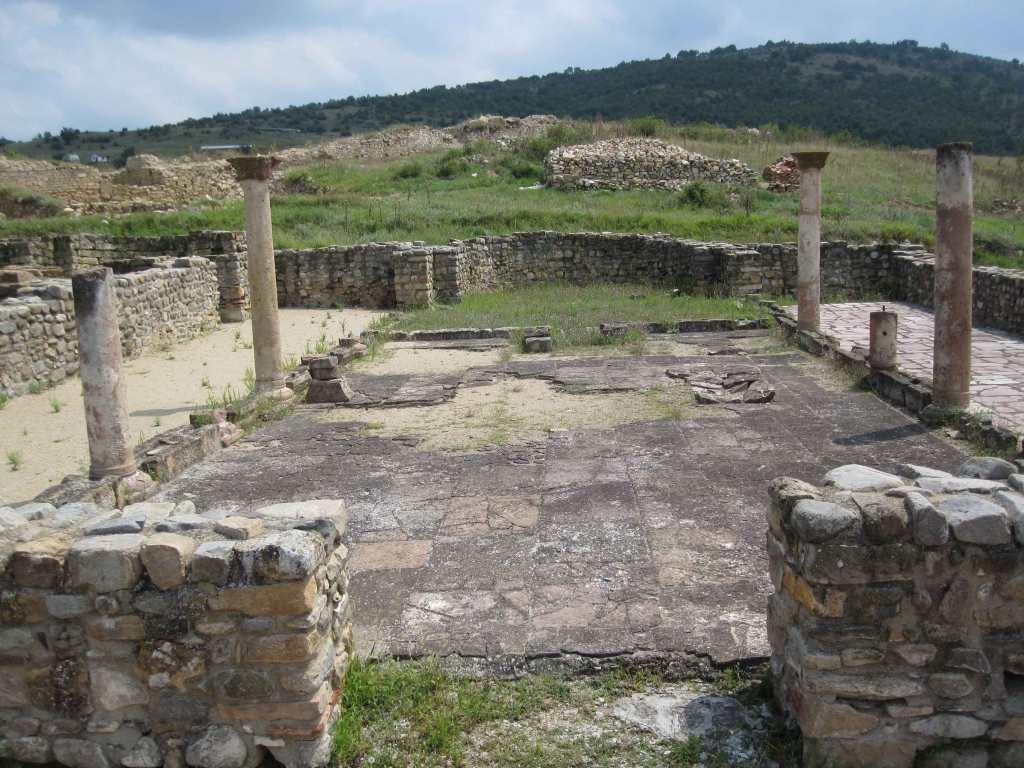
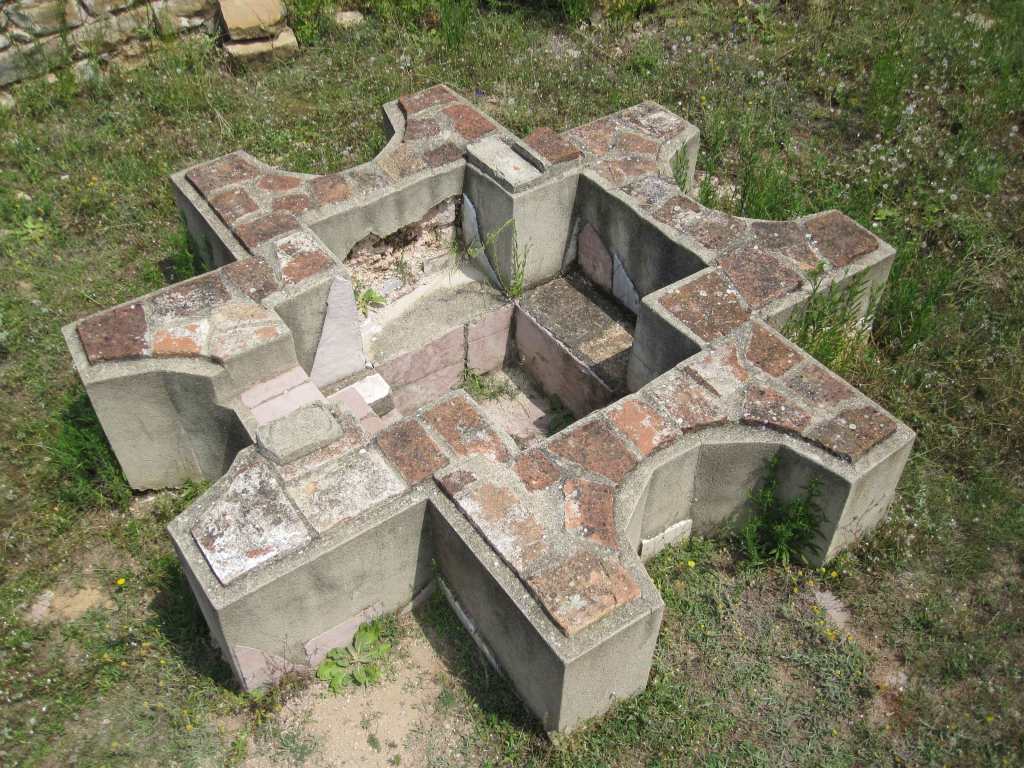
The baptistery was used for baptizing.
The Court
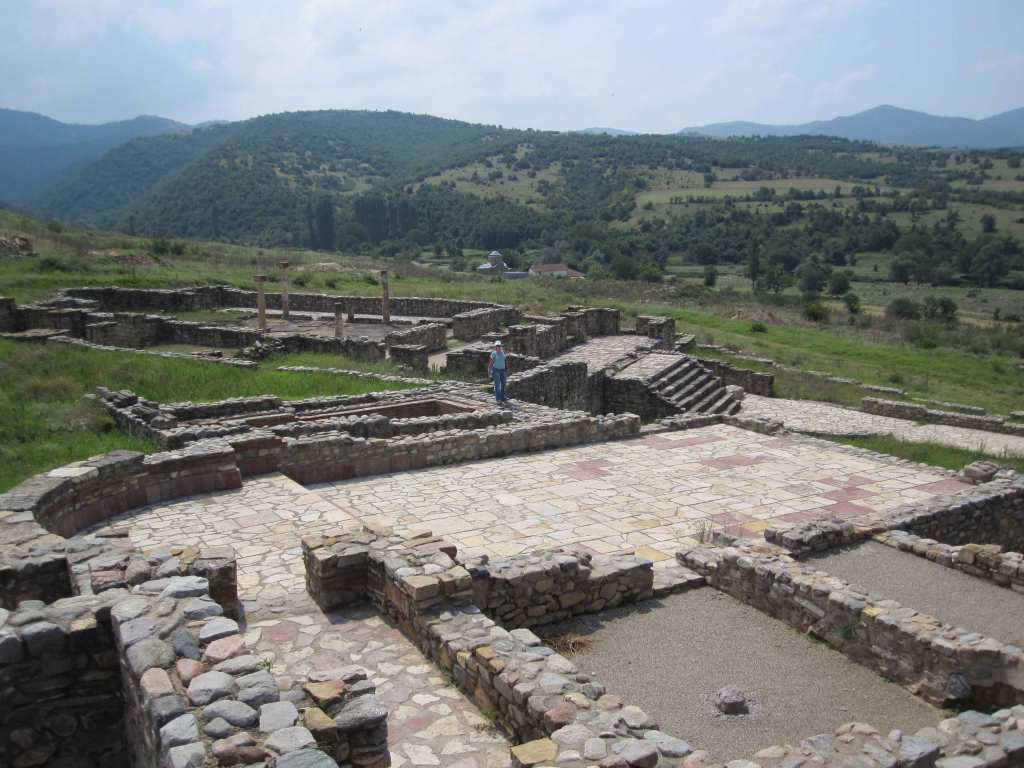
The Court is located next to the Basilica, which can be seen in the back.
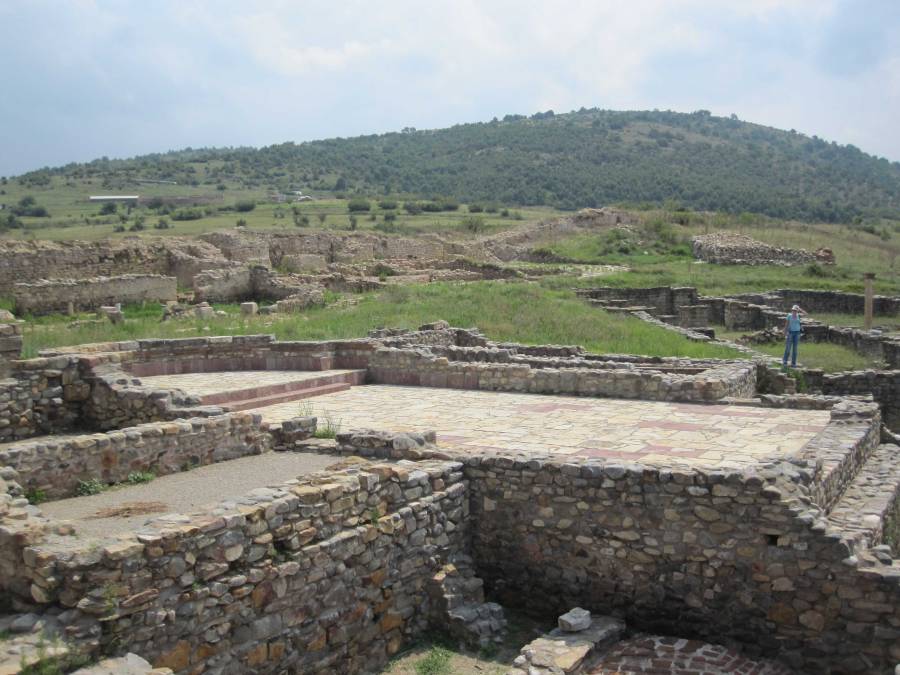
Often, people who had to come to court were sentenced to death in Bargala.

Baths

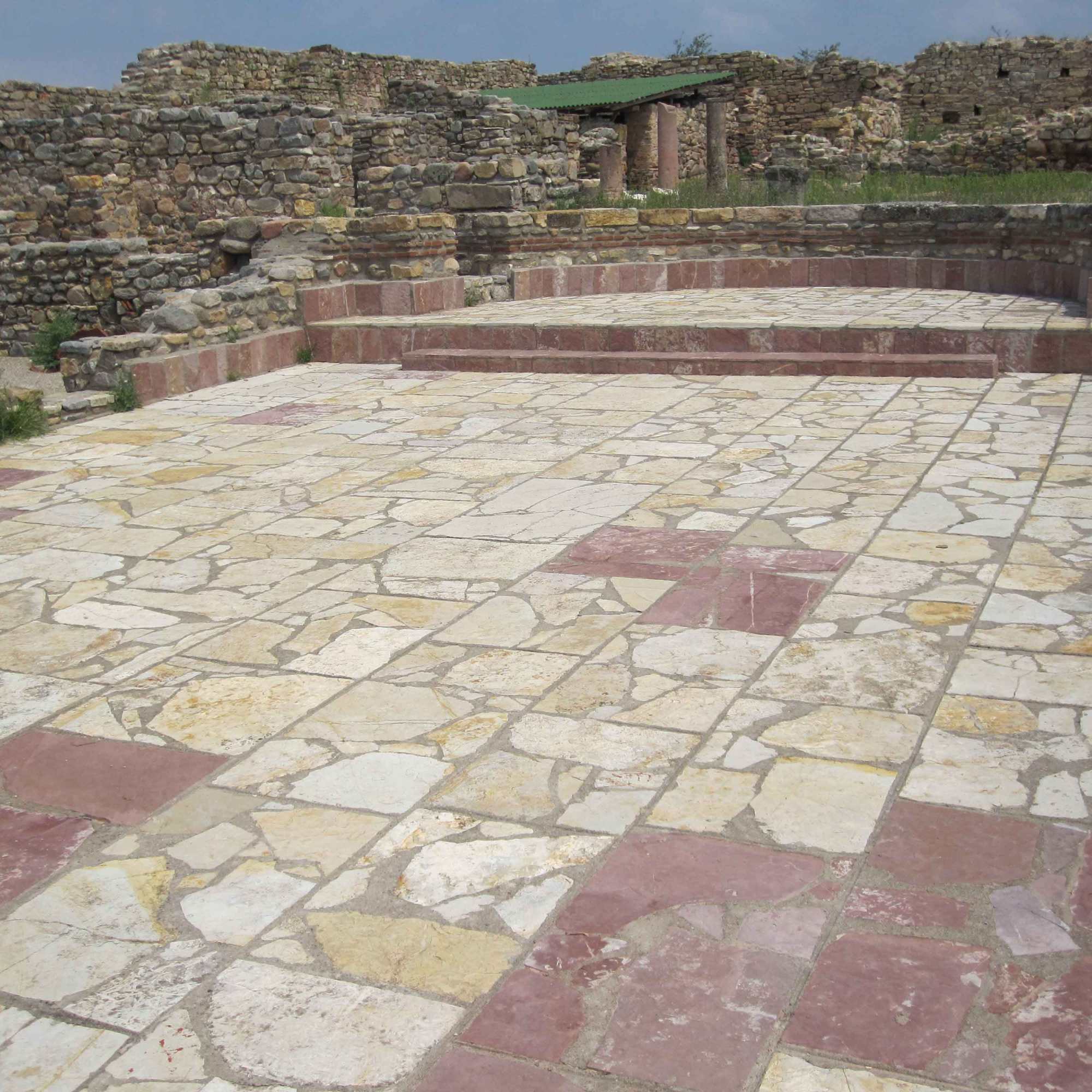
The baths are found opposite to the stairs to the Basilica and next to the Court.


Hot Bath 
Childrens Bath

The bath houses were built on piles, so water could stream below them.
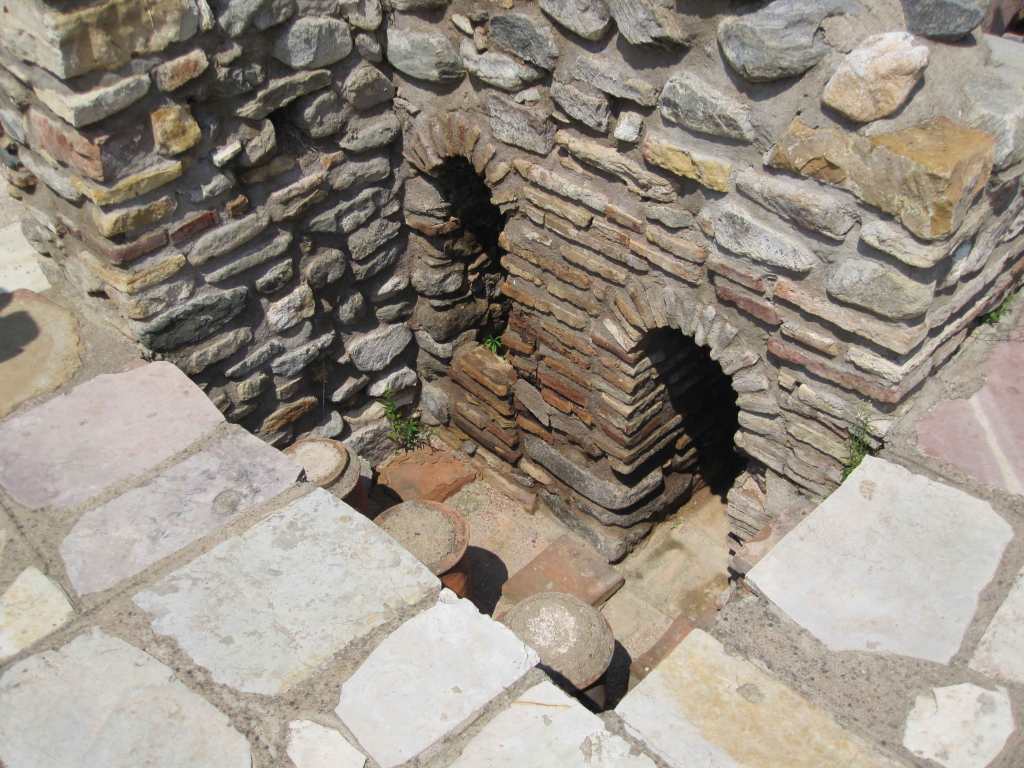
A month after our visit the baths were badly vandalized by some fools.
Water Management

The original lead piping used in Bargala can still be seen at several places.

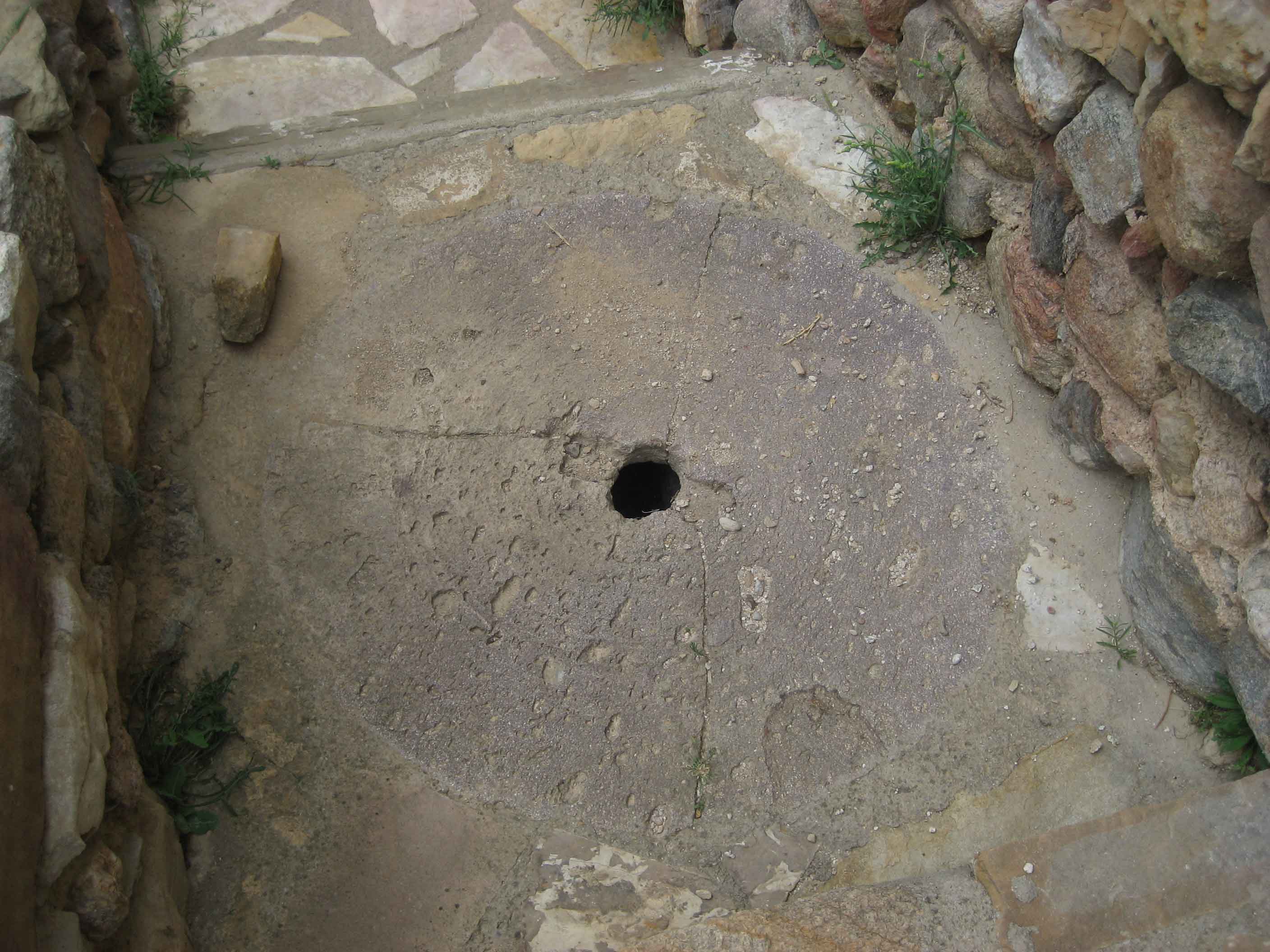
There was a rather advanced sewer system. Water could flow through this hole in the floor. Below the tiles there was a sewer system that got rid of the water.

Toilet
These small holes in the ground functioned as a toilet with flush. Don’t ask me how!
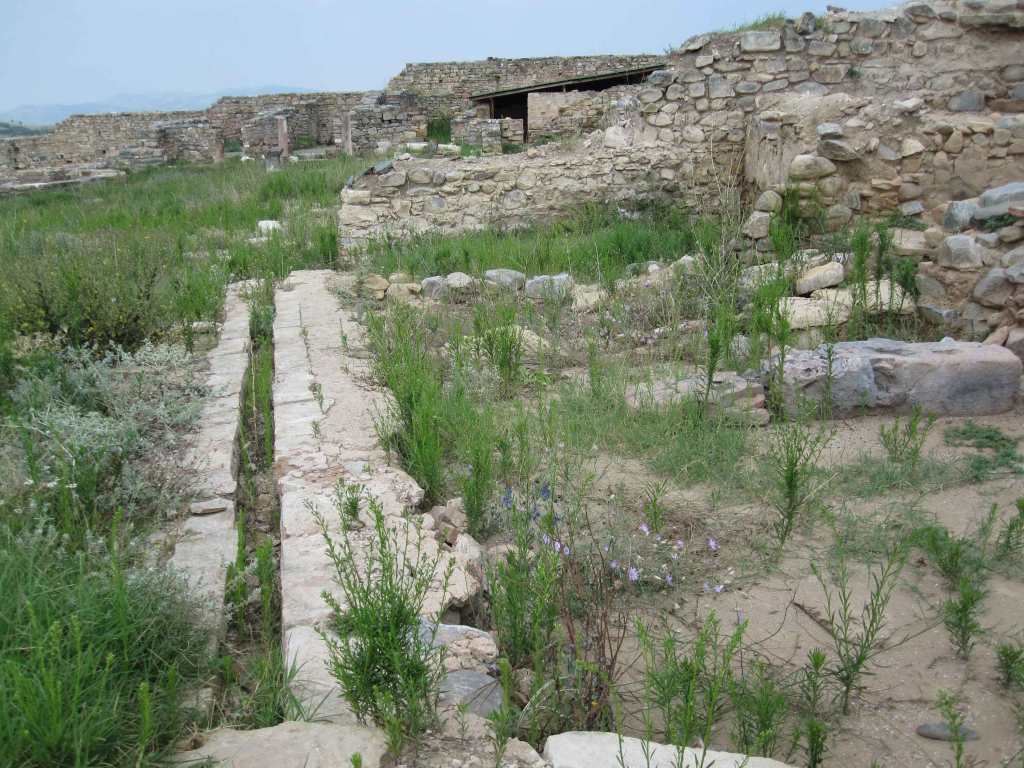
Aqueduct 
Aqueduct
You will find these aqueduct-like structures all over Bargala, especially near the baths.
The Prison
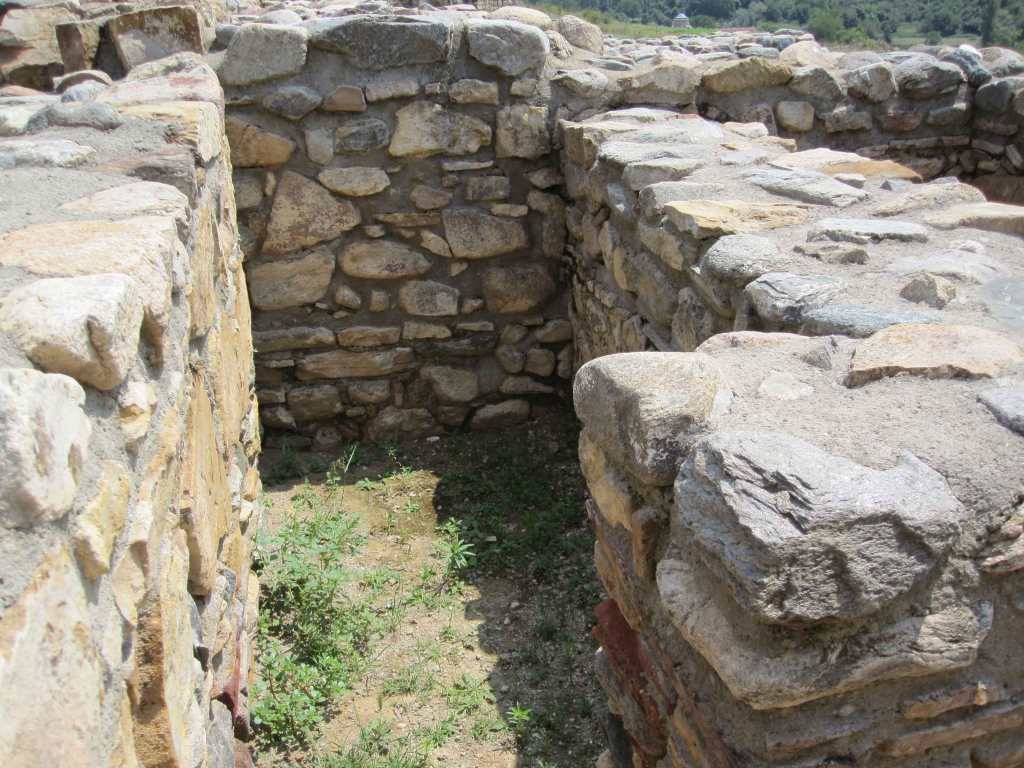
This small room served as a prison cell.
The Bakery
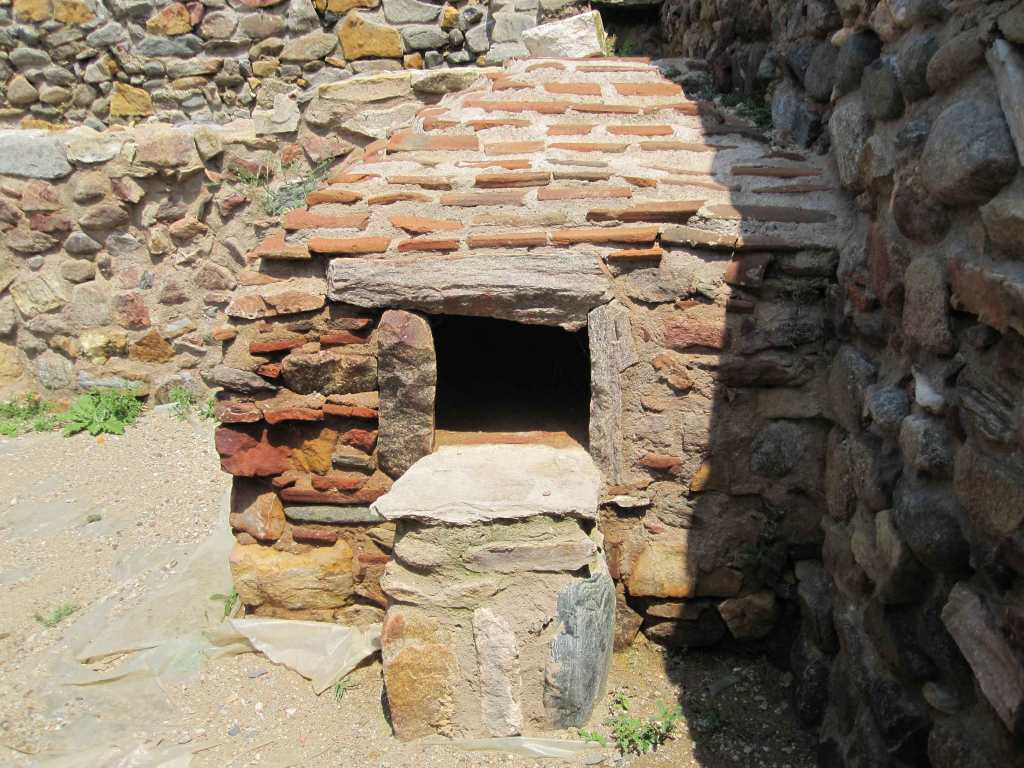

The bakery is just below the Court, and next to the baths.
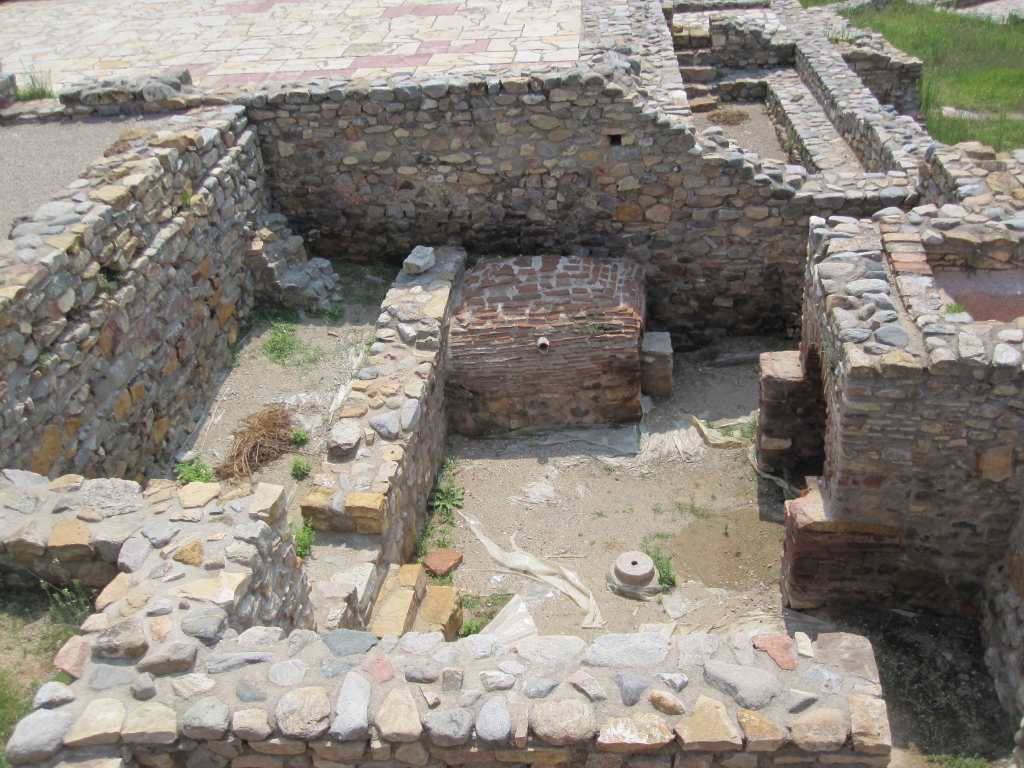
The Winery
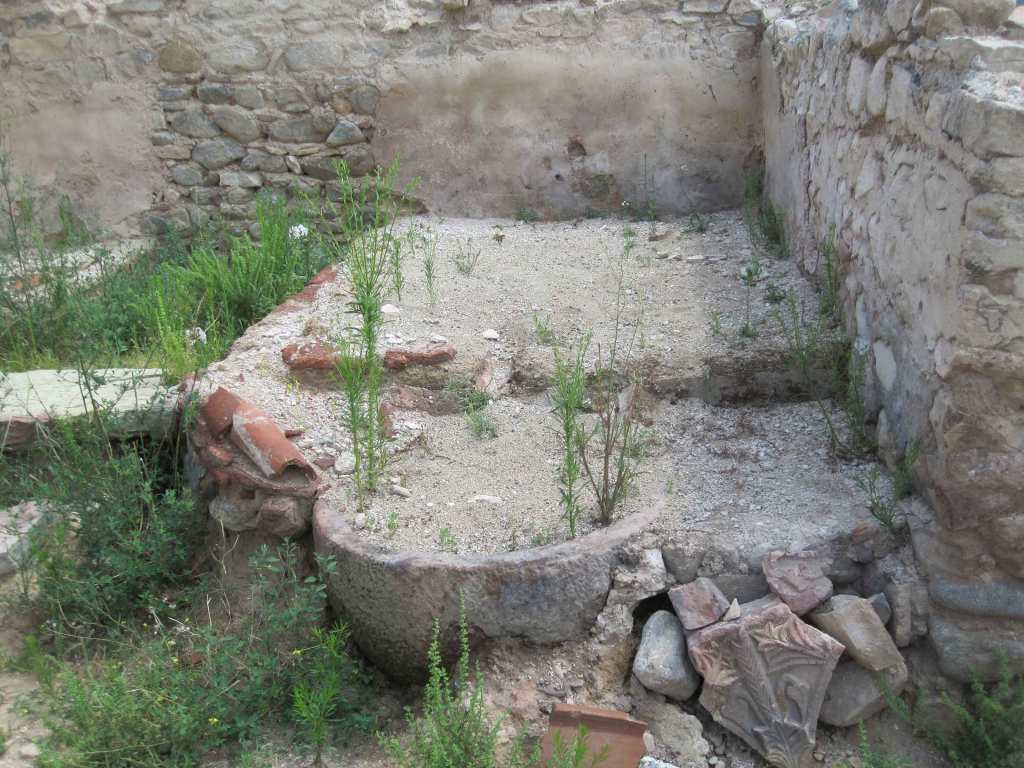
The grapes were crushed in the rectangular part of this construction, and the juice would flow into the bowl-like shape.

Winery 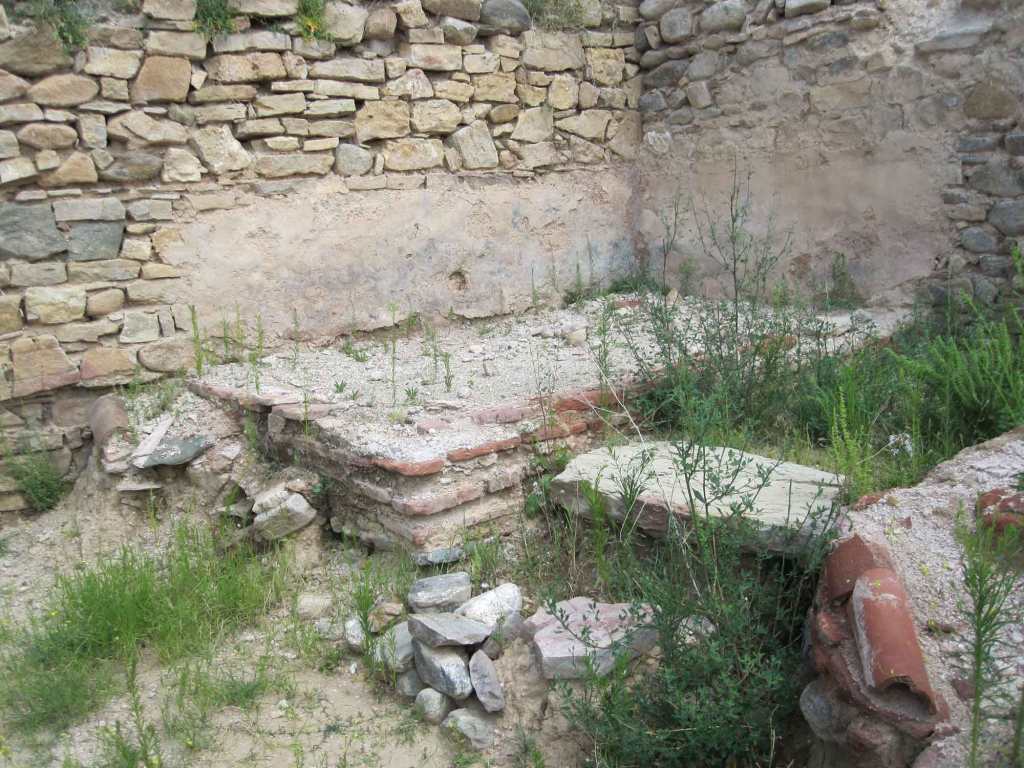
Winery
Detail of terracotta with grapes.
Glass Factory
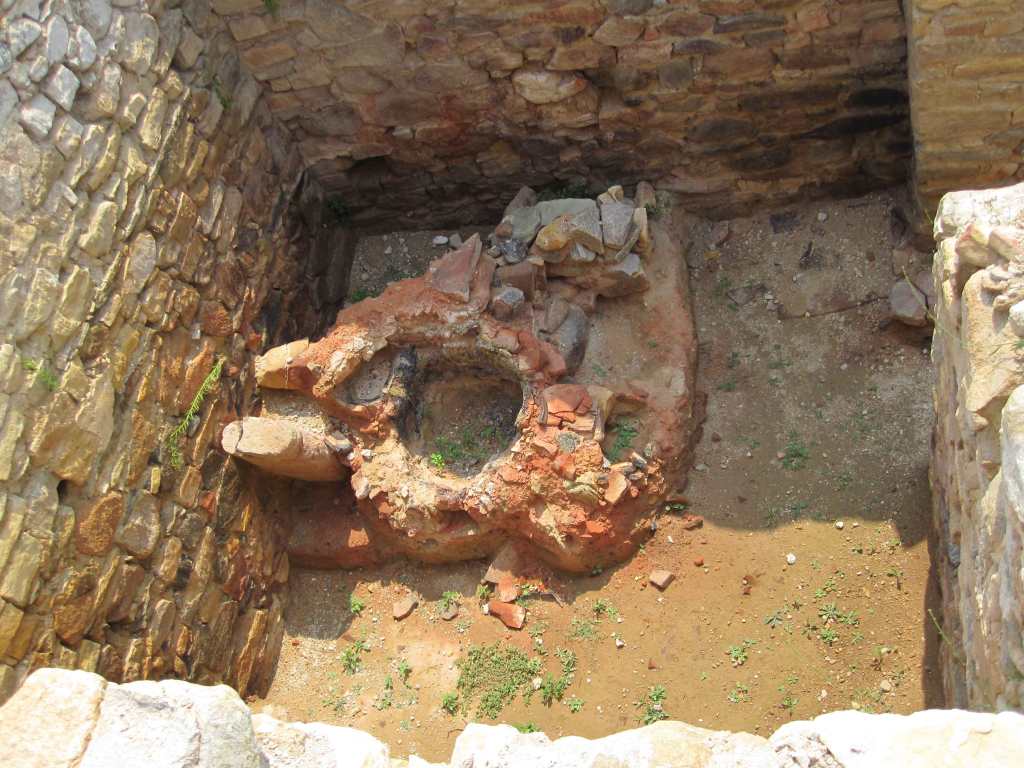
There also was a glass factory at Bargala.

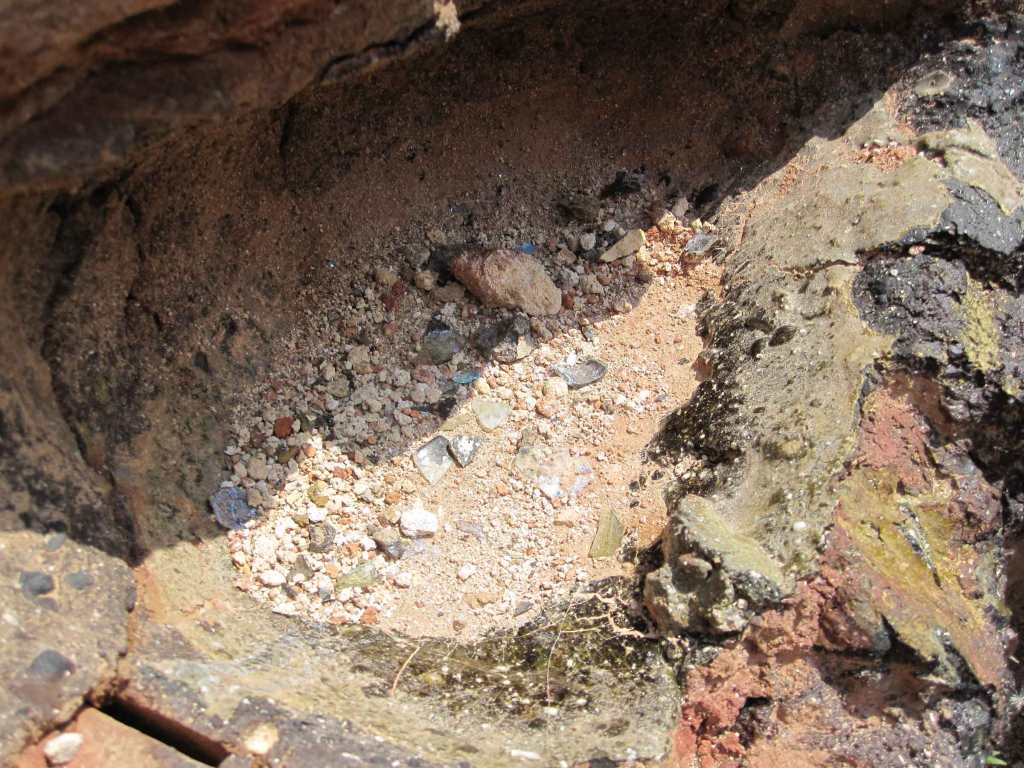
This is evidenced by the remains of melted glass. You can clearly see the glass melted into the stones.

Iron Factory

We were told that this was an iron factory/oven. Iron was melted here, and allowed to flow away and solidify in this snail’s shell-like structure.

Indeed we noticed some lumps of what looked like melted iron.
Storage Rooms

The vessels in the storage rooms of Bargala were dug into the ground to keep the contents cool.
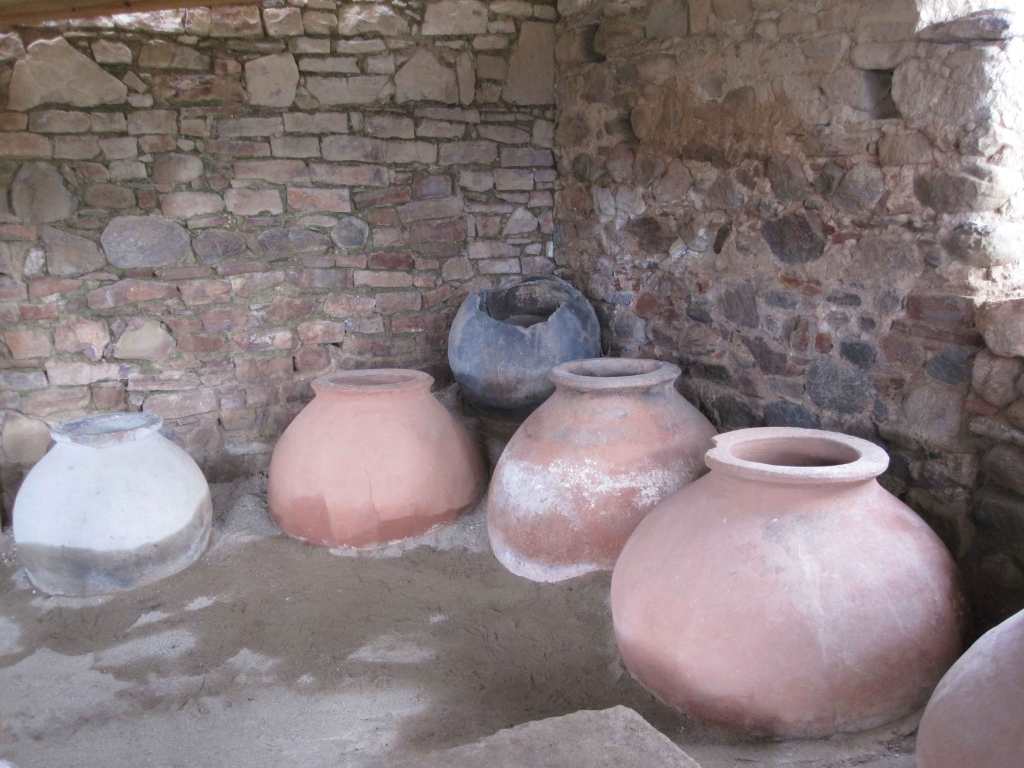

Unfortunately, the above pictures are among the last that have been made of this storage room. A month after our visit, in September 2010, the vessels were destroyed by vandals. They also heavily damaged the baths.

Morgue

Supposedly the dead were stored here. According to the guard who guided us, they used calcium oxide (quicklime) to accelerate the decay.
Altar for Sacrifice
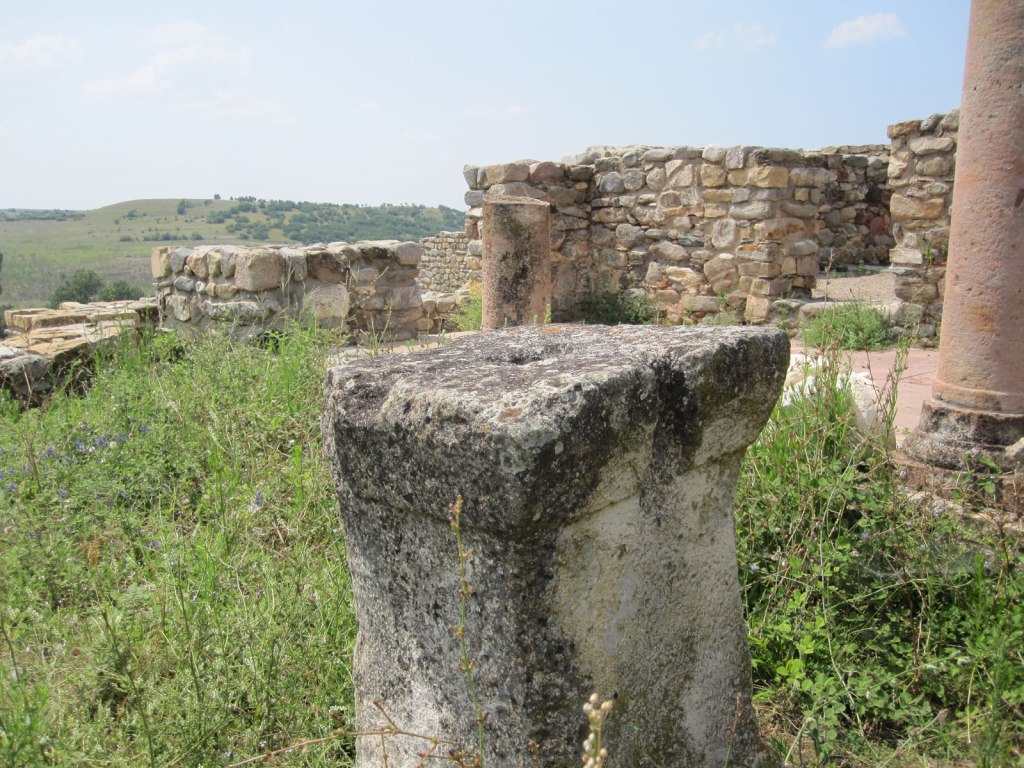
Who knows how many heads were cut off at this altar, or how many animals were sacrificed. Notice the little canals that allow the blood to flow away!
Basilica outside the walls

This old Christian Church or “Basilica Extramuros” outside the city wall of Bargala was discovered in 1984, next to the nowadays parking. It is from the late 4th century.
Parking

Maybe this was also the parking in Roman times for horses and wagons? As you can see we were the only visitors
Church of St George

This early Christian Church dedicated to St George (Sveti Gorgi) is next to the archeological site Bargala, just outside its former defense walls.
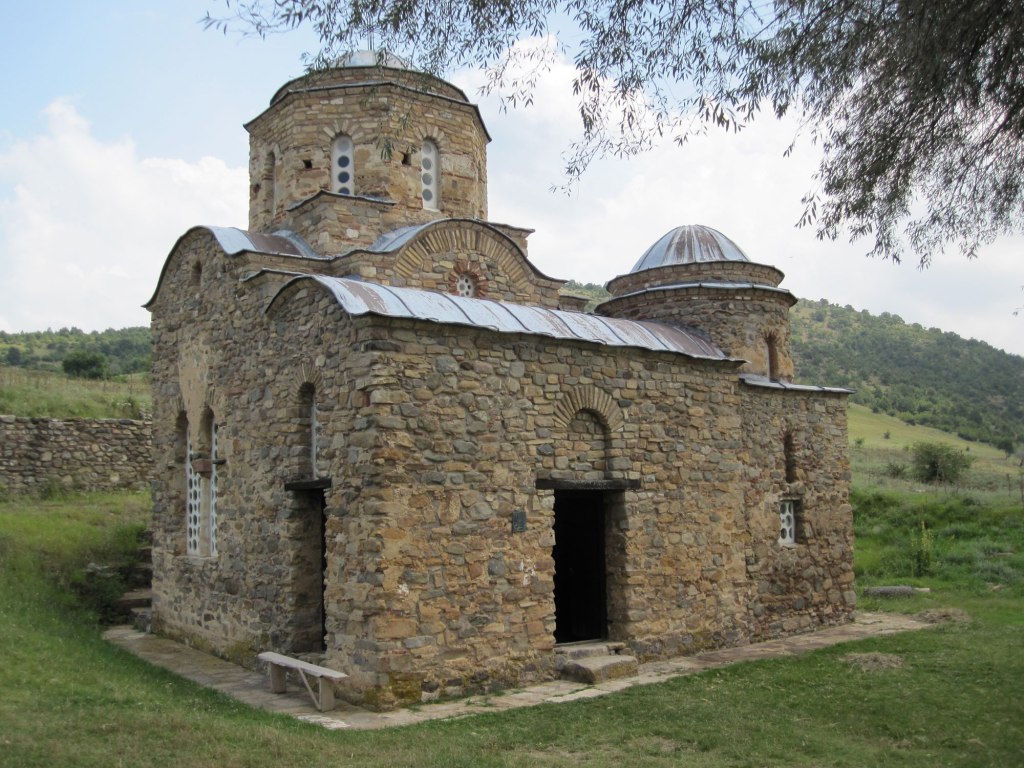
It is from the 9th or 11th century, and was renovated in the 14th century.
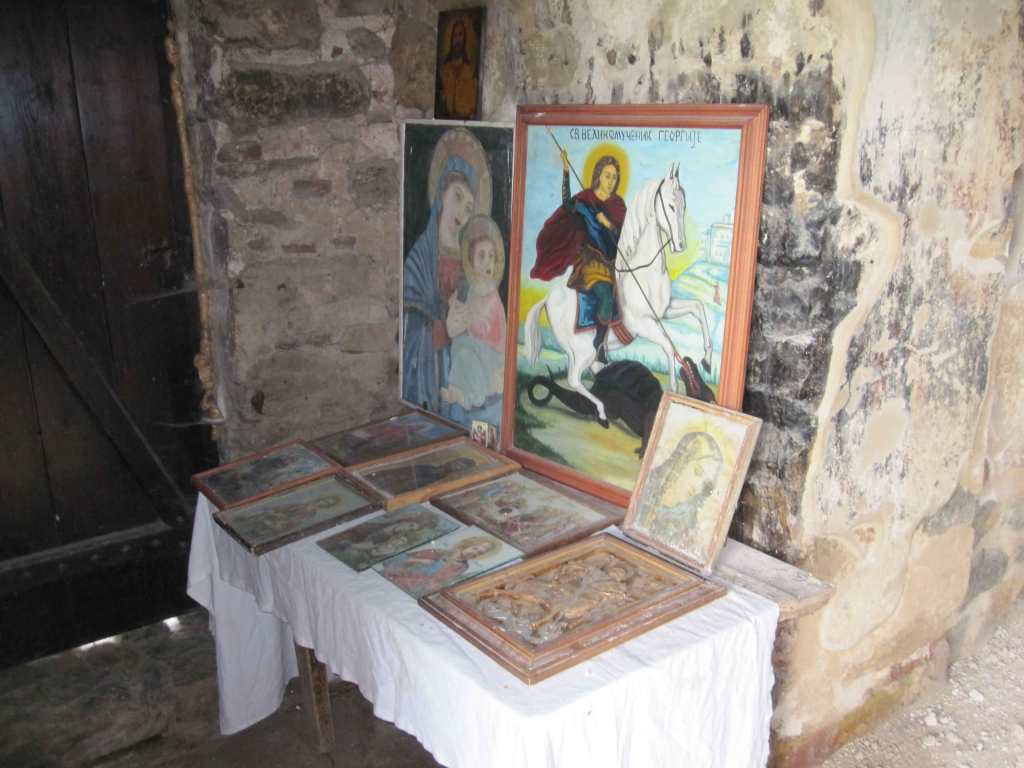
St George 
St George 
St George
When we were there in 2010, renovation of the frescoes was ongoing. You could clearly see 3 different layers of frescoes.
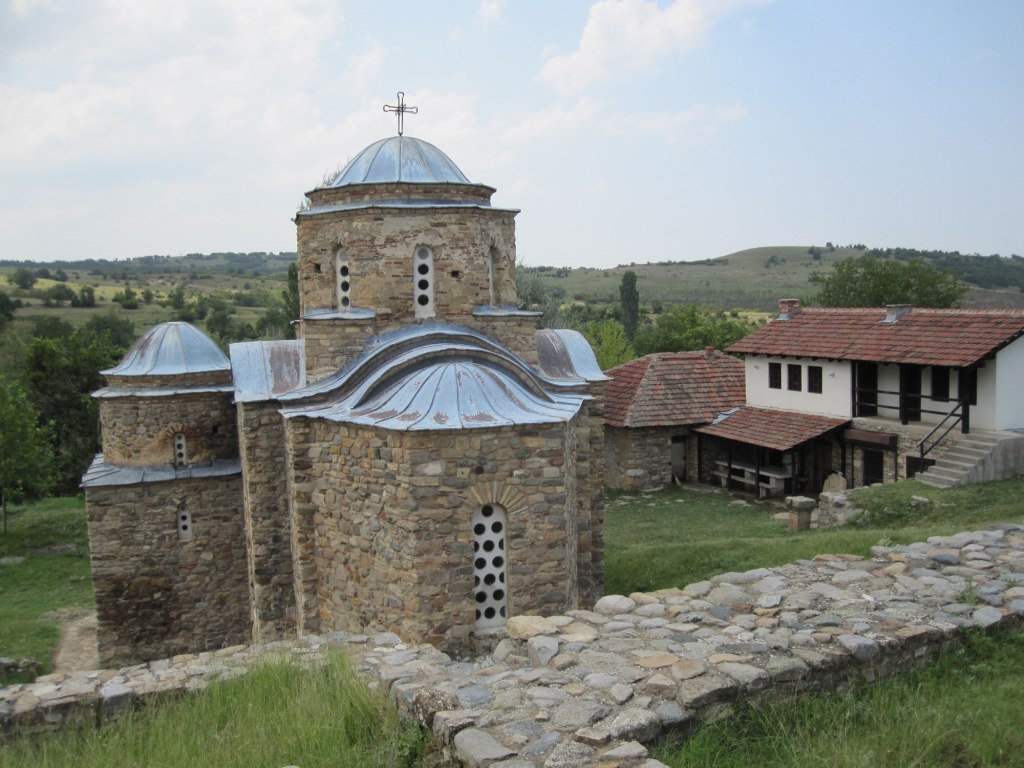
Directions for Bargala

Bargala is about 16 km from Stip, along the same road to the village Vrteska and the Vrteska Mountain hut. We stayed in this mountain hut and hiked from there to the Kup Cave and Ajducka Cave.
 My Macedonia Blog