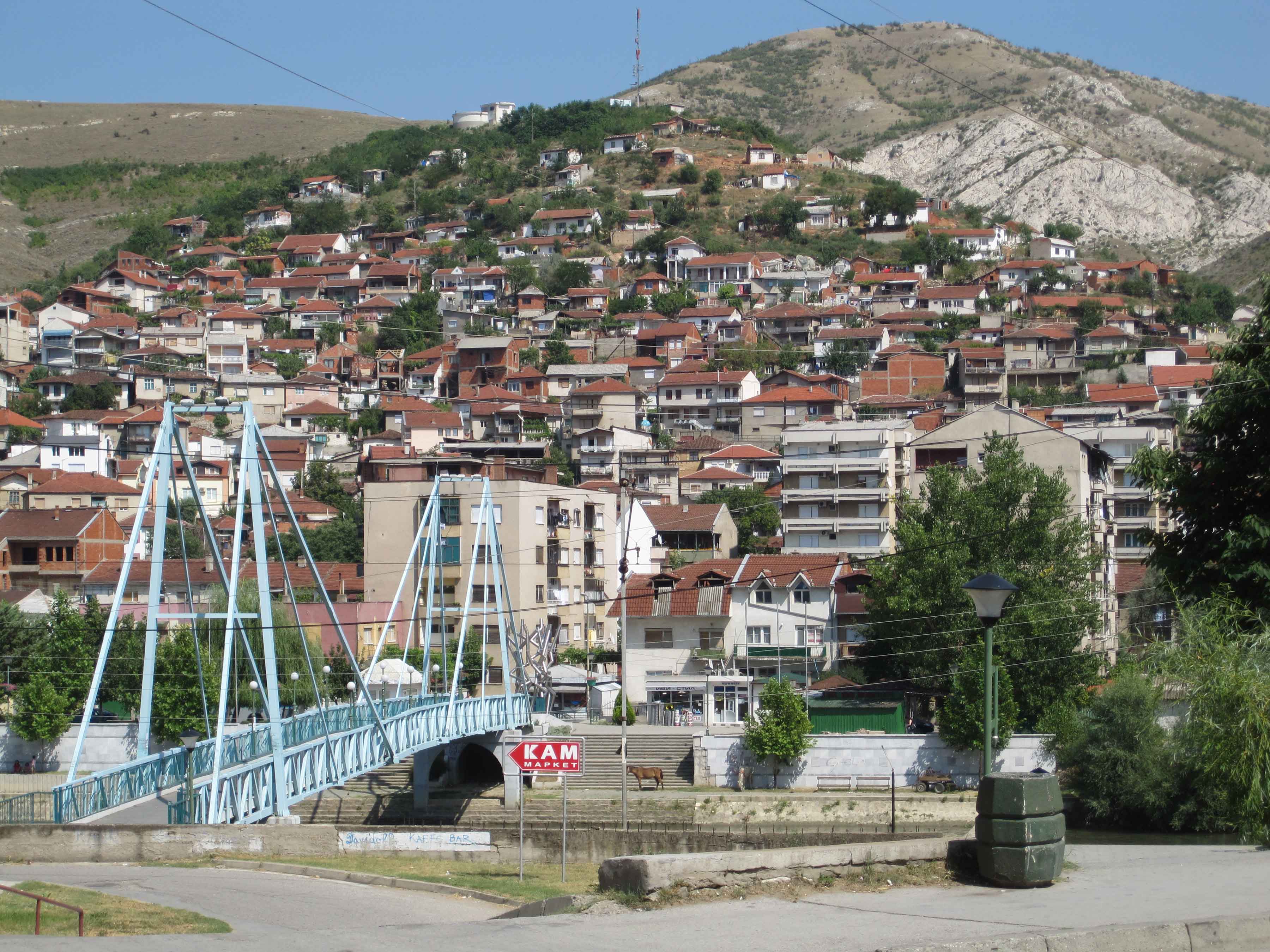
We visited Veles in 2010 on our way from Skopje to Stip. Pleasant surprises along the way from Skopje to Veles were the Castle, the Monastery of St Jovan Veterski and the Monastery of St Bogorodica, next to the Pcinja river. These sights were not described in our guidebooks, but worth a visit!
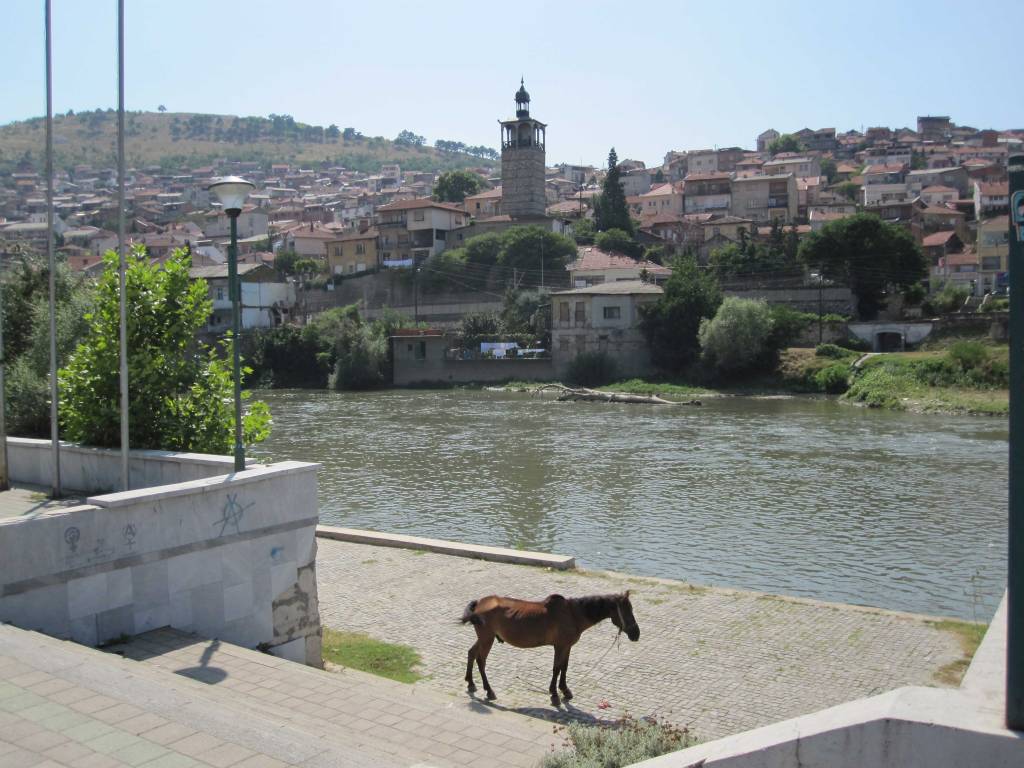
The River Vardar, which also flows through Skopje, divides Veles in two parts. On the east bank we visited the following sights:
Church of St George
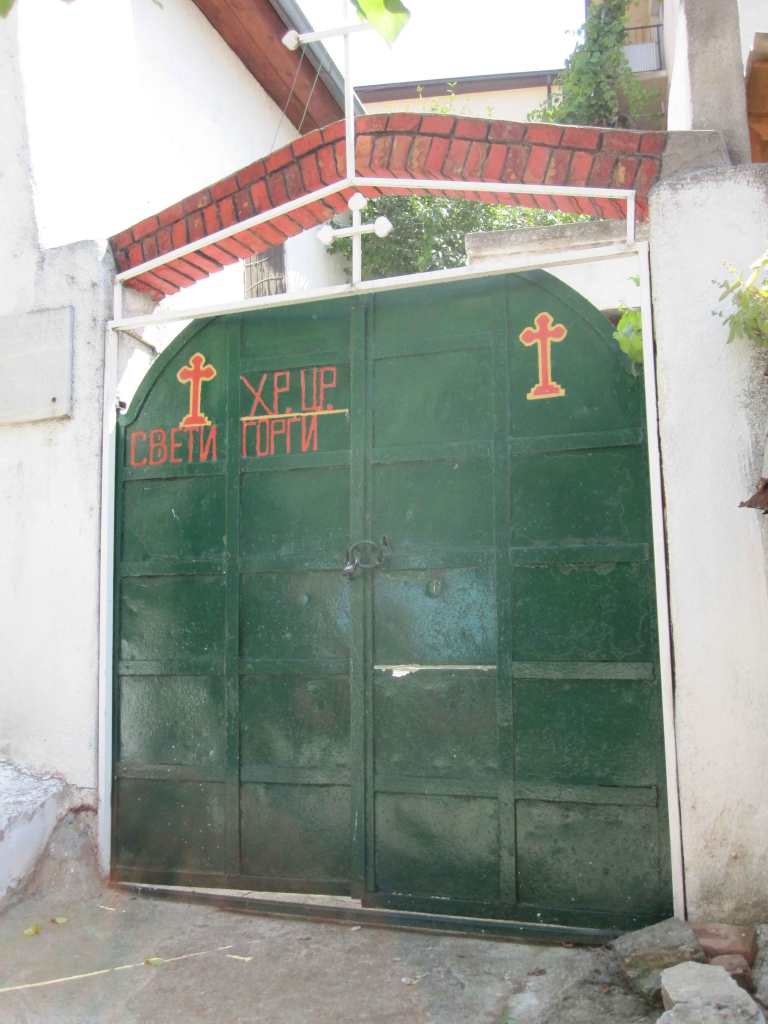
St George 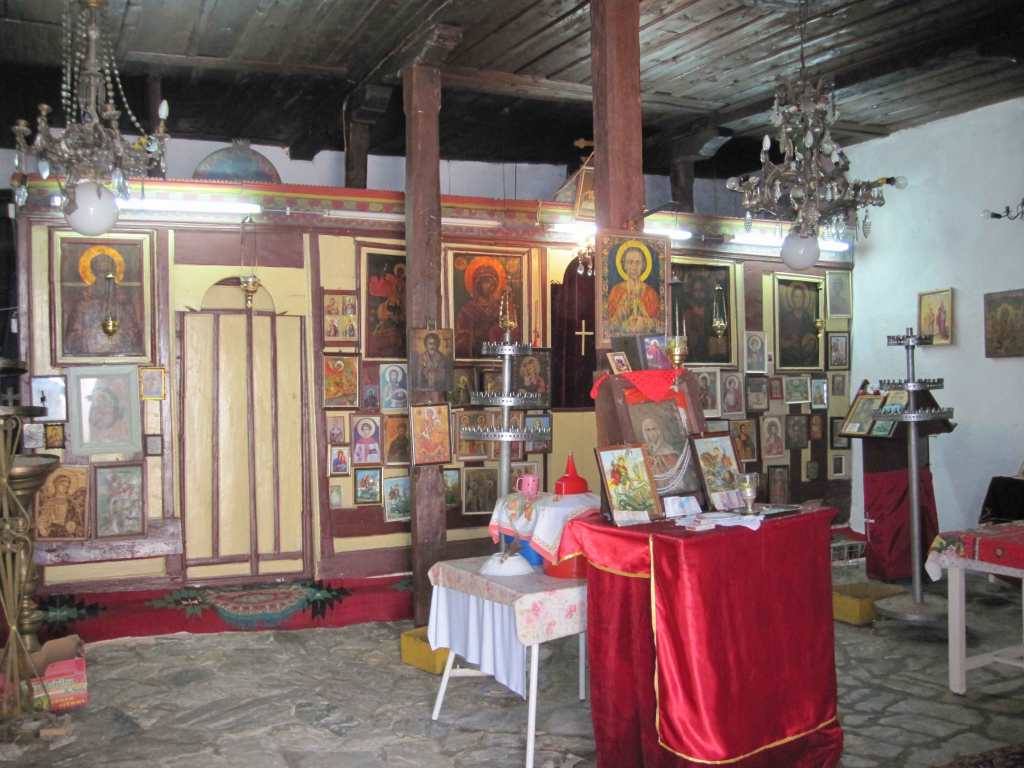
St George
We found this small church dedicated to St George when we entered Veles coming from Skopje. It is on the east bank of the river Vardar. Somebody living nearby opened it for us. In case you want to try to find the key: Key of the church = klucot od crkvata, pronounced “klutsjot od serkvata”. It is a good habit to leave some denars in the church, or to buy some candles.
Thessaloniki Dynamiters
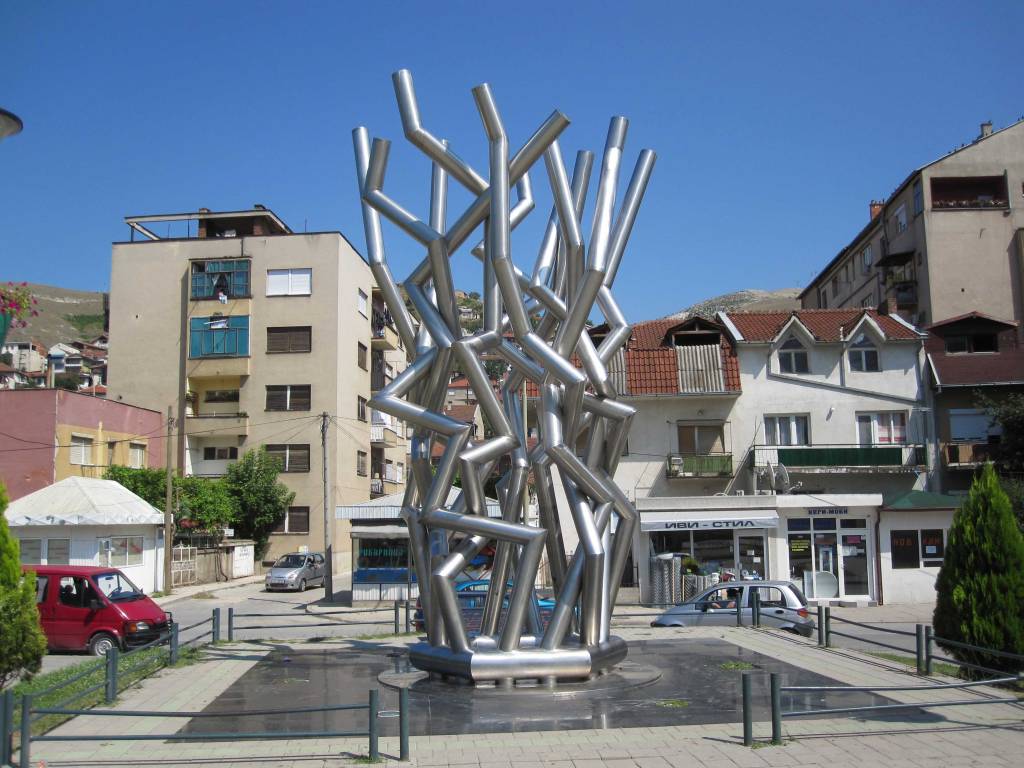
The 12 pipes symbolize the 12 dynamiters who bombed Western companies in Thessaloniki in April 1903. The Thessaloniki bombings were an attempt to draw Europe’s attention to the Macedonian issue. Macedonia was occupied by the Ottomans in that time. Ironically, the Turks mistook it to be the beginning of a general uprising in Macedonia and conducted mass arrests all over Macedonia. In fact, the Dynamiters’ action was not coordinated with the Central Committee of VMRO, and the arrest of hundreds of its members disturbed the preparations for the actual Ilinden uprising in August 1903. Another monument for the “boatmen of Thessaloniki” can be found in Skopje. The name “boatmen” was named after their ideology of “leaving behind the everyday life and the limits of law, and sail with a boat in the free and wild seas of lawlessness“. Most of the bombers were from Veles.
Second World War Memorial
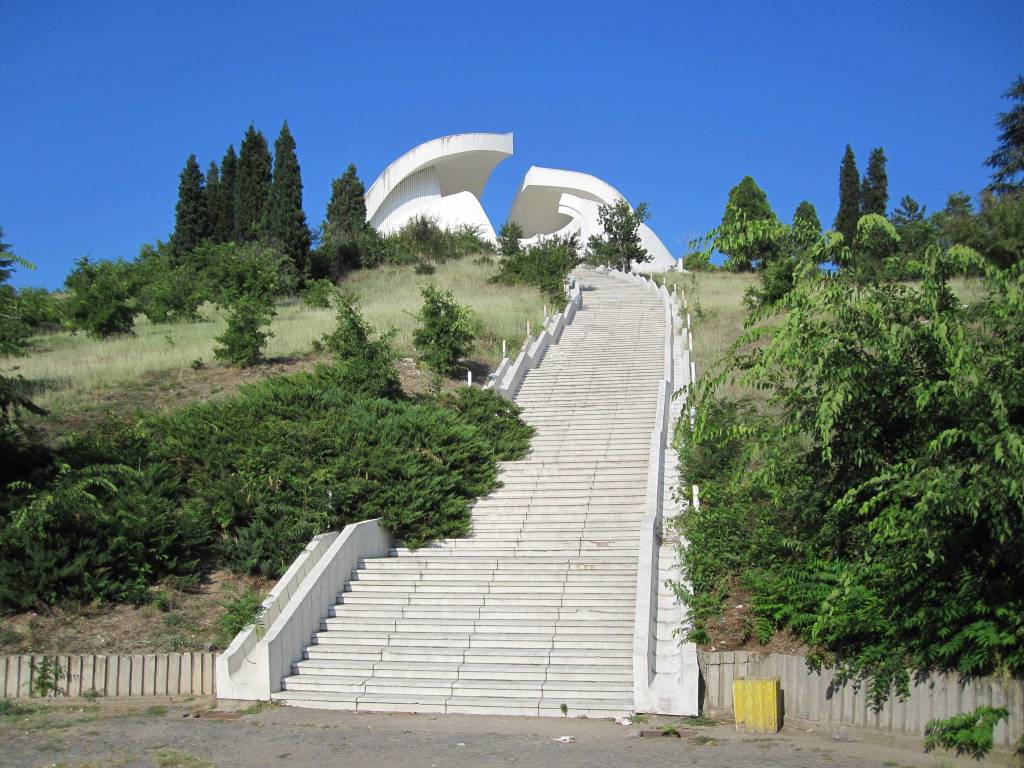
This WWII monument is to commemorate the fighters from the area of Veles, who perished for the liberation of the Macedonian people during WWII. The monument looks like a poppy flower and inside the monument a blossoming tree symbolizes liberty. The memorial is located on a hill close to the gas station on the east bank of the river Vardar.
Clock Tower
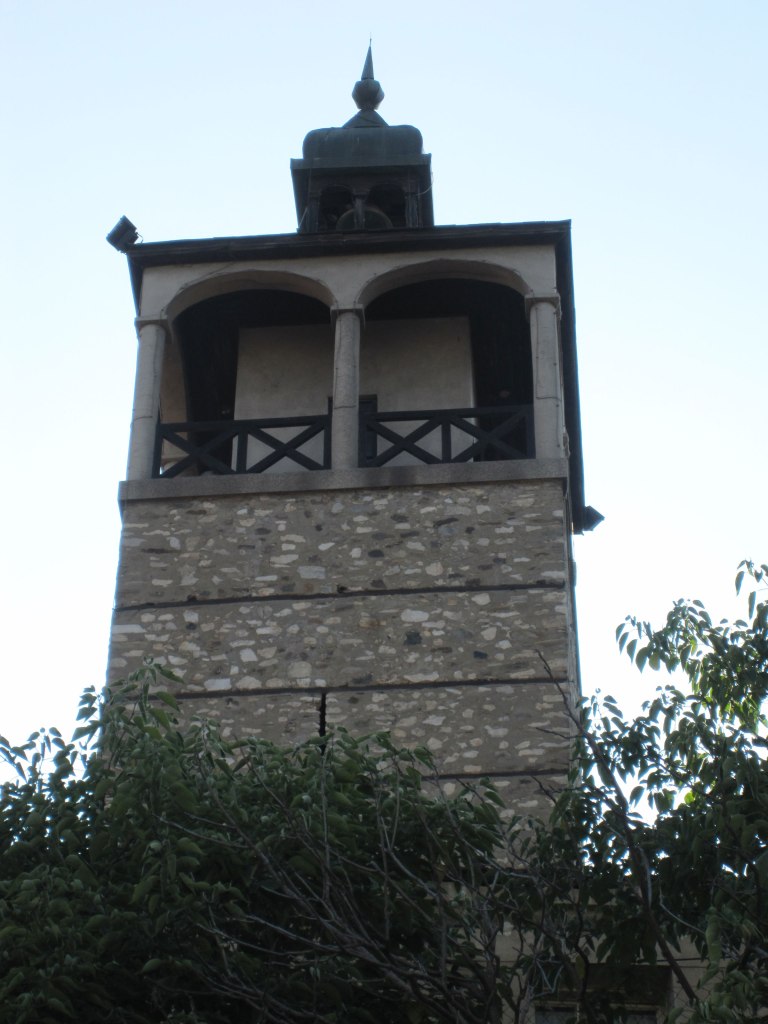
On the west bank of the River Vardar you can find the Clock Tower. The tower was constructed in the 16th century as an observatory post for the Ottomans. In the 18th century it was transformed into a clock tower. It is the landmark of Veles, and depicted both on the flag and the coat of arms of Veles.
Statues
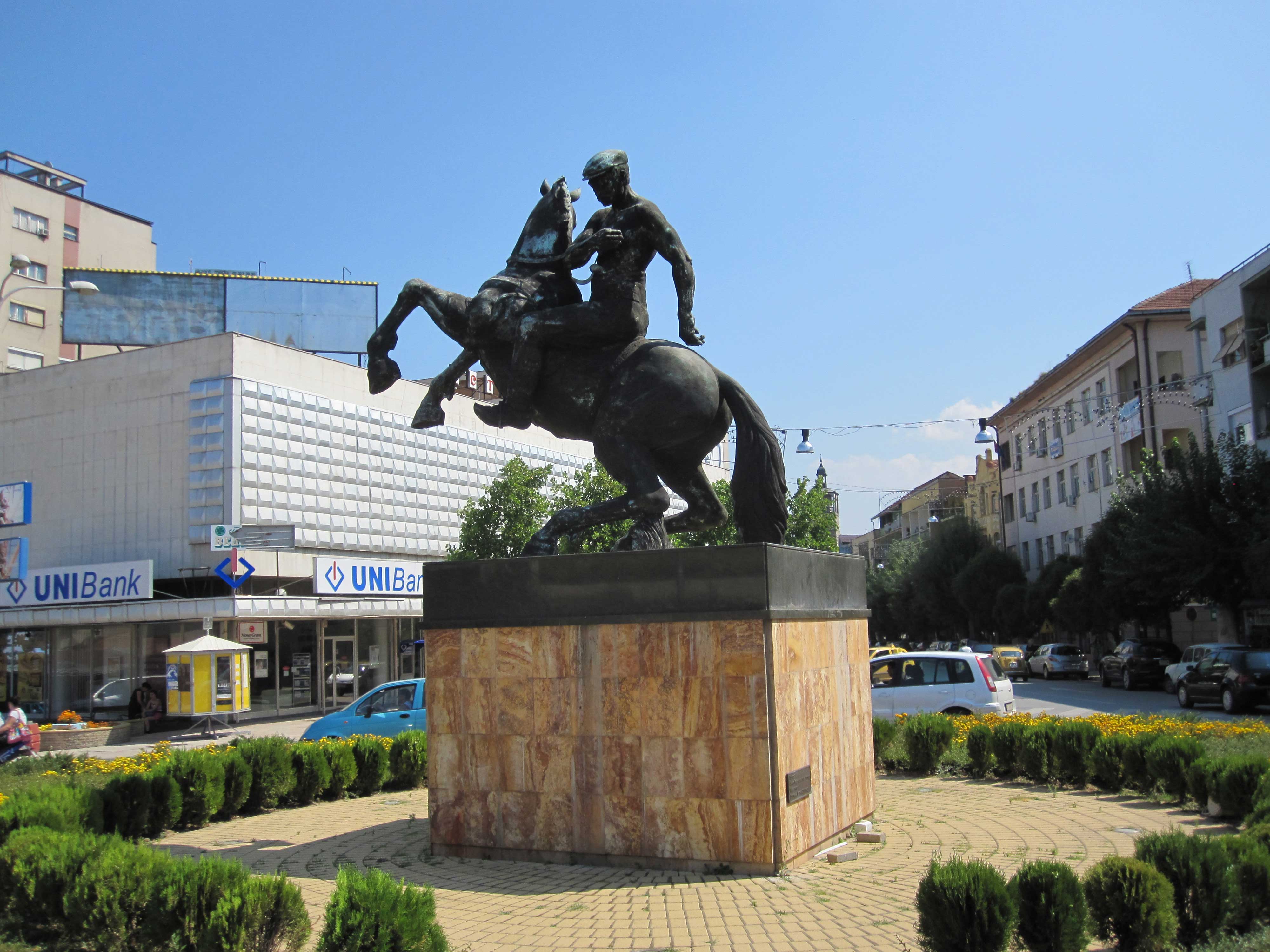
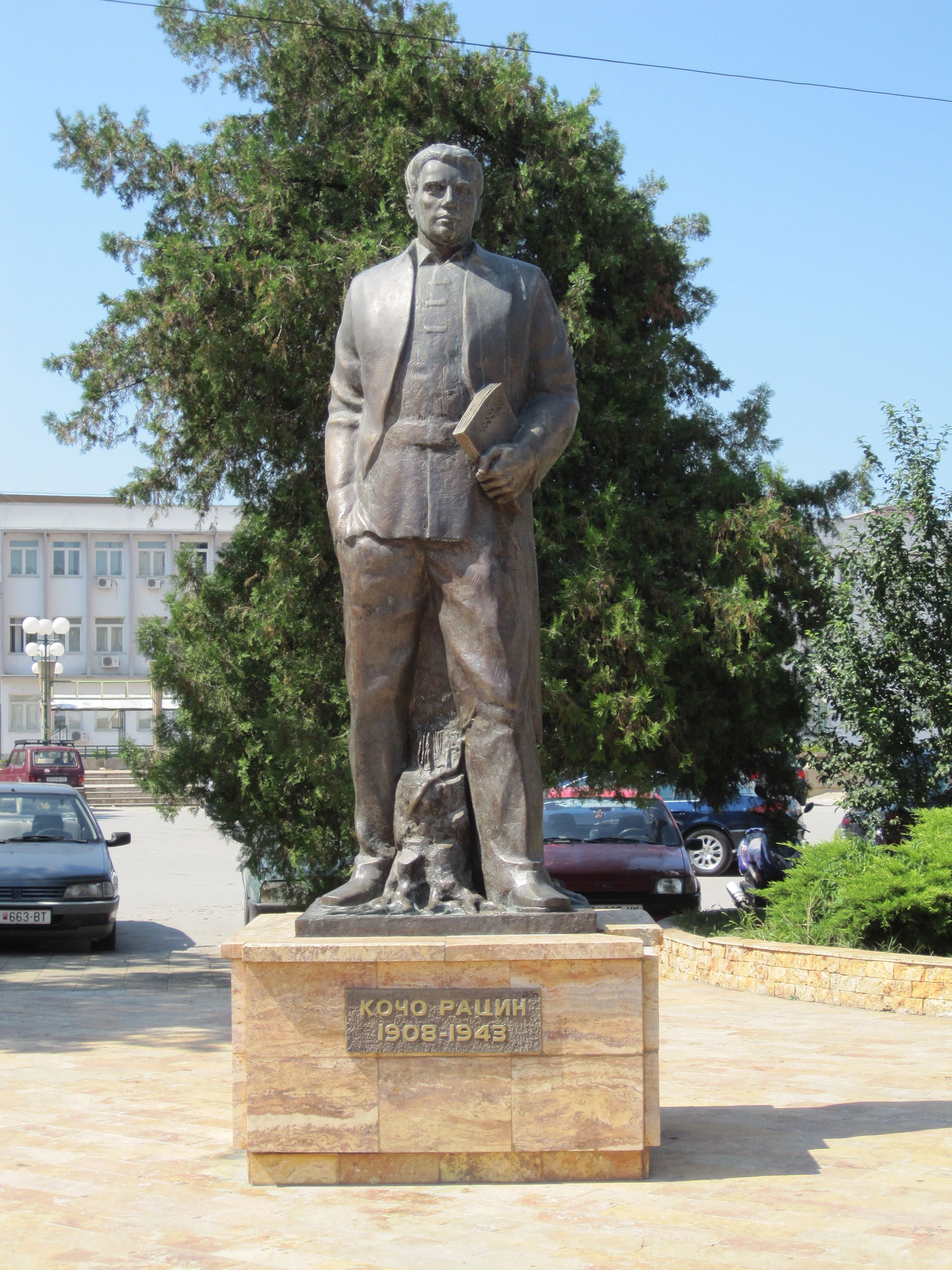
This monument in the left picture is for the rebels of Veles, who participated in the liberation of Krusevo, during the Ilinden uprising in August 1903. The statue in the right picture is for Koco Racin (1908-1943), who was a Macedonian revolutionary and poet. Racin is considered a founder of modern Macedonian literature. He was born in Veles. Both monuments are not far from the Clock Tower on the west bank of the river.
Church of St Panteleimon
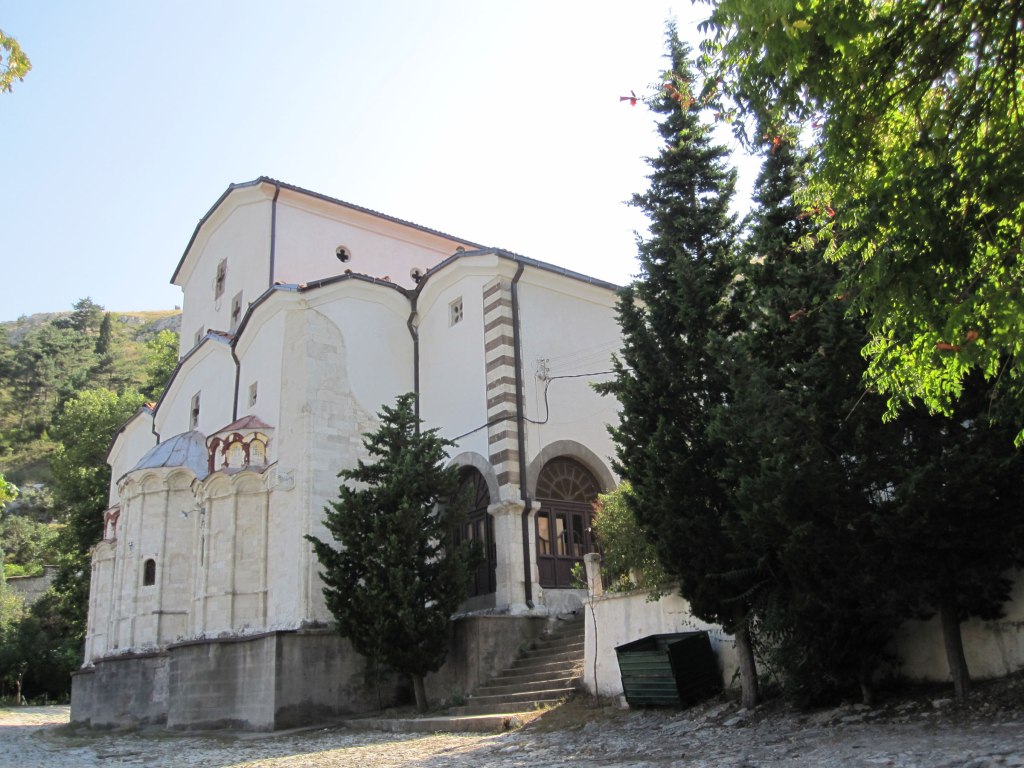
The magnificentChurch of St Pantelejmon was built in 1840 by the master-builder Andreja Damjanov, who also built the Church of St Bogorodica in Stip. For Macedonian standards, it is a surprisingly large and high church, with thee floors. The frescoes and icons were created by Gjorgji Damjanov and Gjorgji Jakov Zografski.
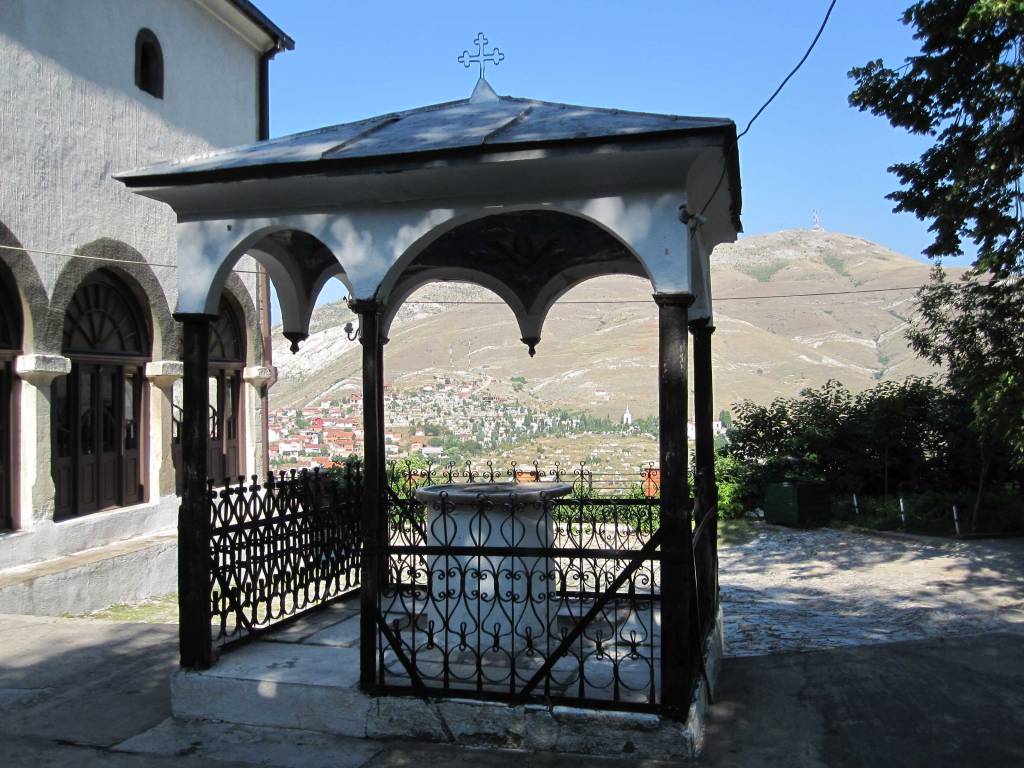
A water source can be found next to the church, people come here to fill bottles with the holy water. The church is located on the cemetery of Veles and is under the protection of UNESCO.
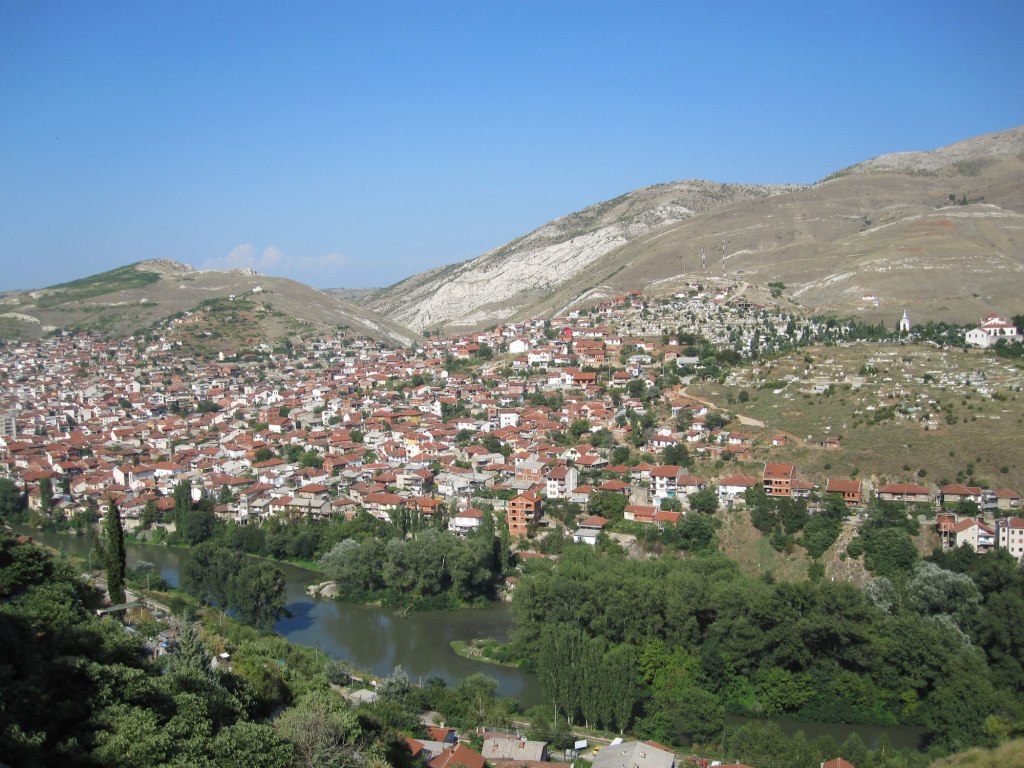
The church is located high on a hill at the west bank of the river Vardar, in the south of Veles. You will have great views over Veles from the church grounds.
City Park
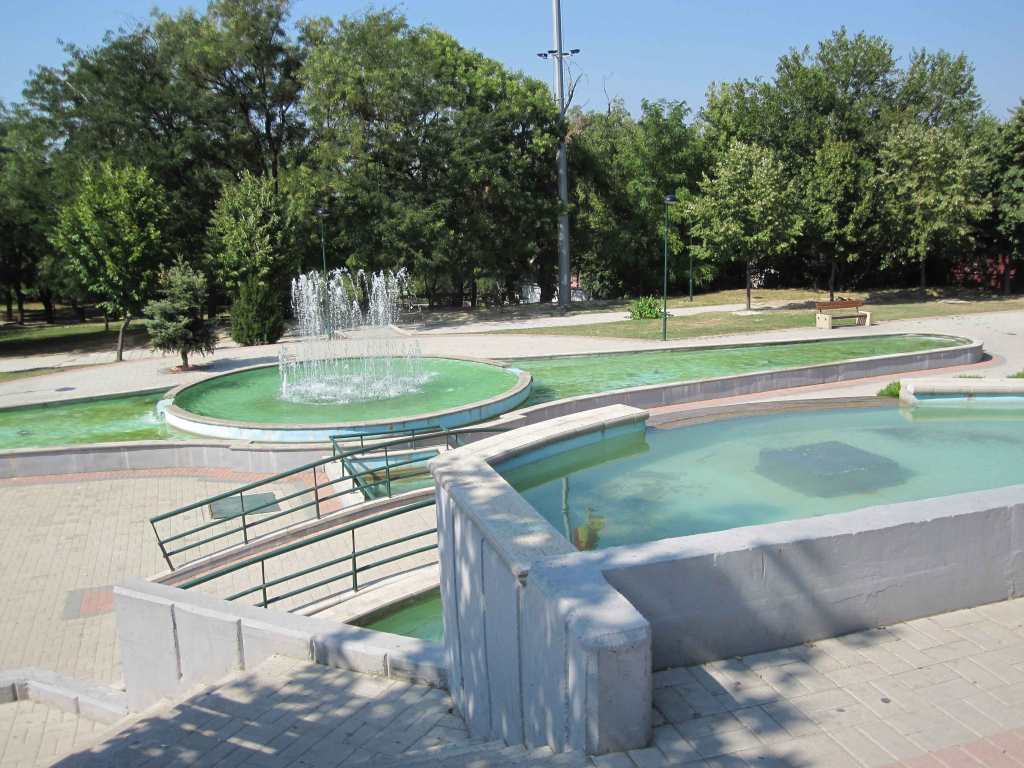
City Park 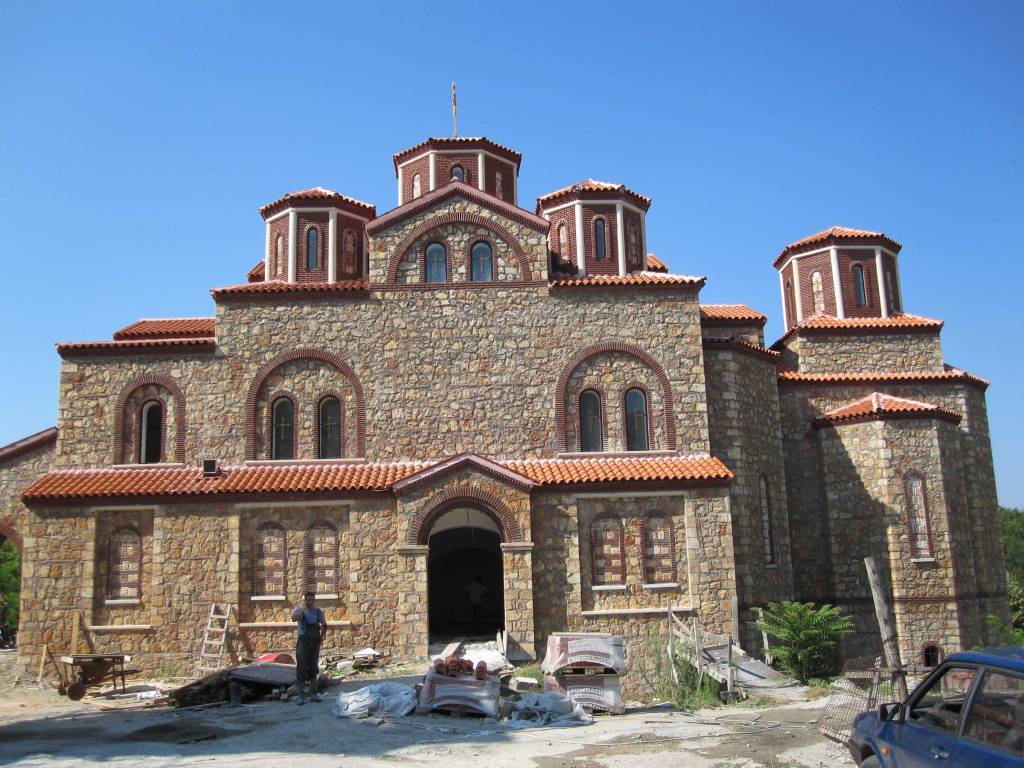
Church
The City Park of Veles has some nice fountains and is an ideal place to sit in the shadow of the large trees on a hot day. The church next to the City Park was still under construction in 2010. The City Park is located on the west bank of the river Vardar, in the north of Veles.
Kale Fortress
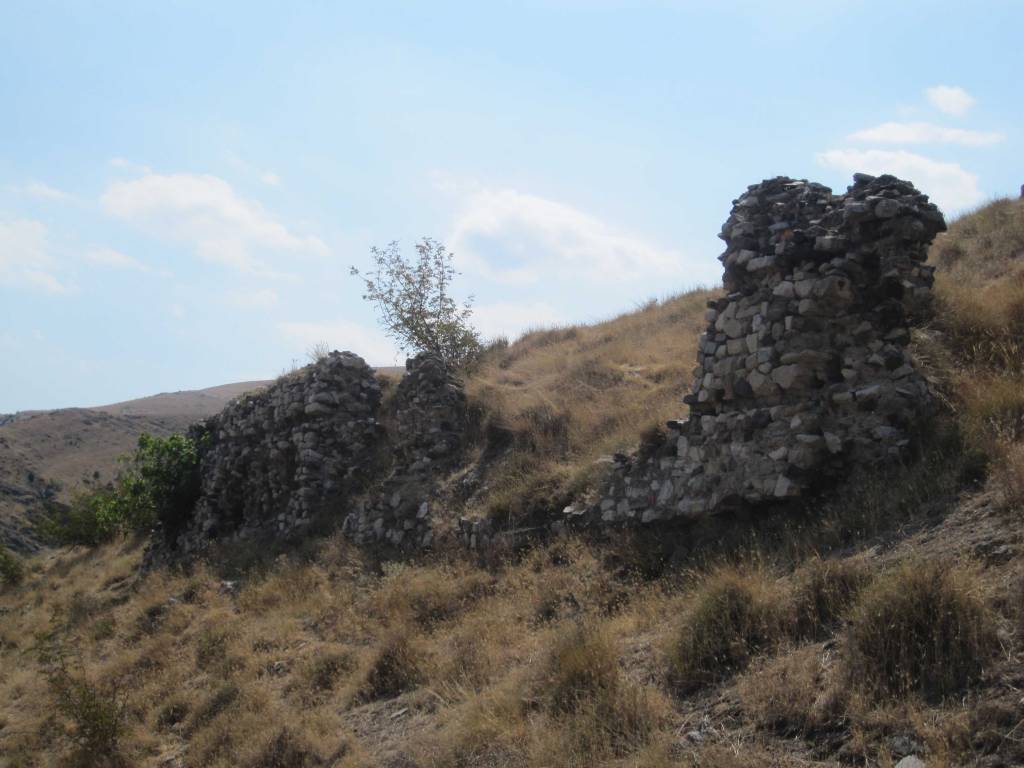
In 2012 we wanted to eat something in Veles on our way from Negotino to Skopje. We came from the south along the river Vardar and noticed a sign pointing to a “Kale” (fortress) and the Church of St Nedela. We stopped there and visited these sights, as well as the 14th century Church of St Nikolas and Monastery of St Dimitrija, the Chapel of St Ana and the recently built Church of St Petka that are all clustered together at this location.
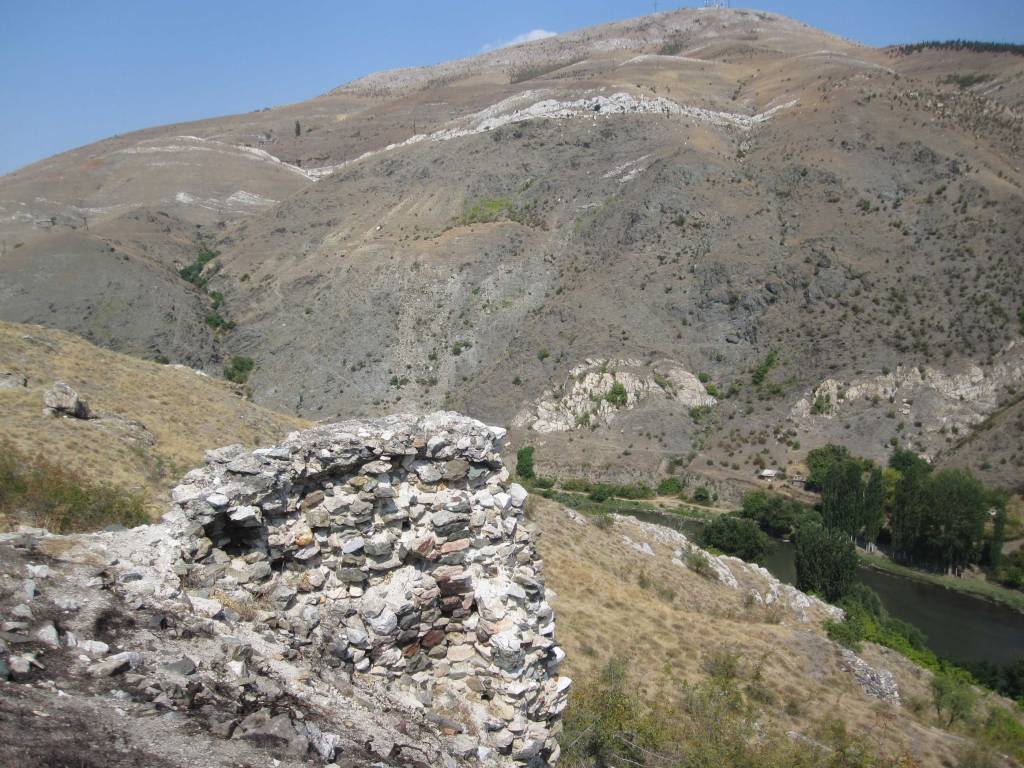
The ruins of a fortress (“kale” in Macedonian) are located on a hill about 2 km south of the center of Veles, on the west bank of the river Vardar. I found some information that this place has been inhabited since 2500 BC, was used in Roman times and was a powerful acropolis in the 5th and 6th century. Graves and a cemetery church from the 12th-14th century have been found as well. During the Ottoman occupation a small military crew remained in the fortress. Besides the ruins of a few walls we could not discover other remains of the fortress. But it is a nice site to stroll around and enjoy the view from the hill.
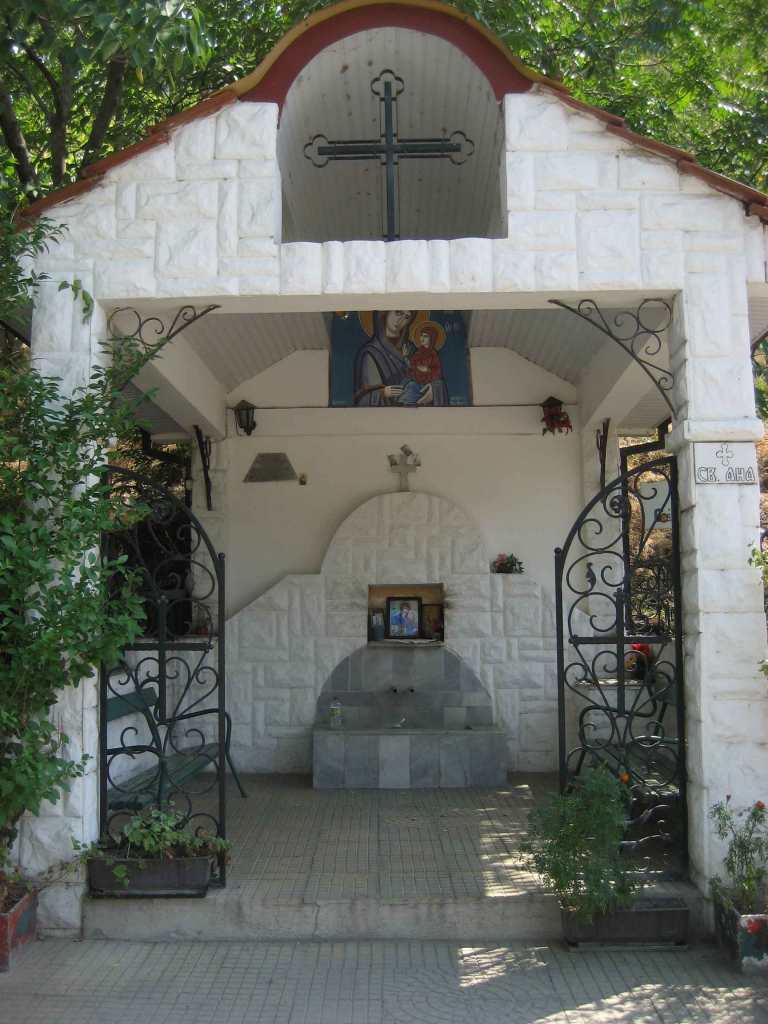
Chapel of St Ana 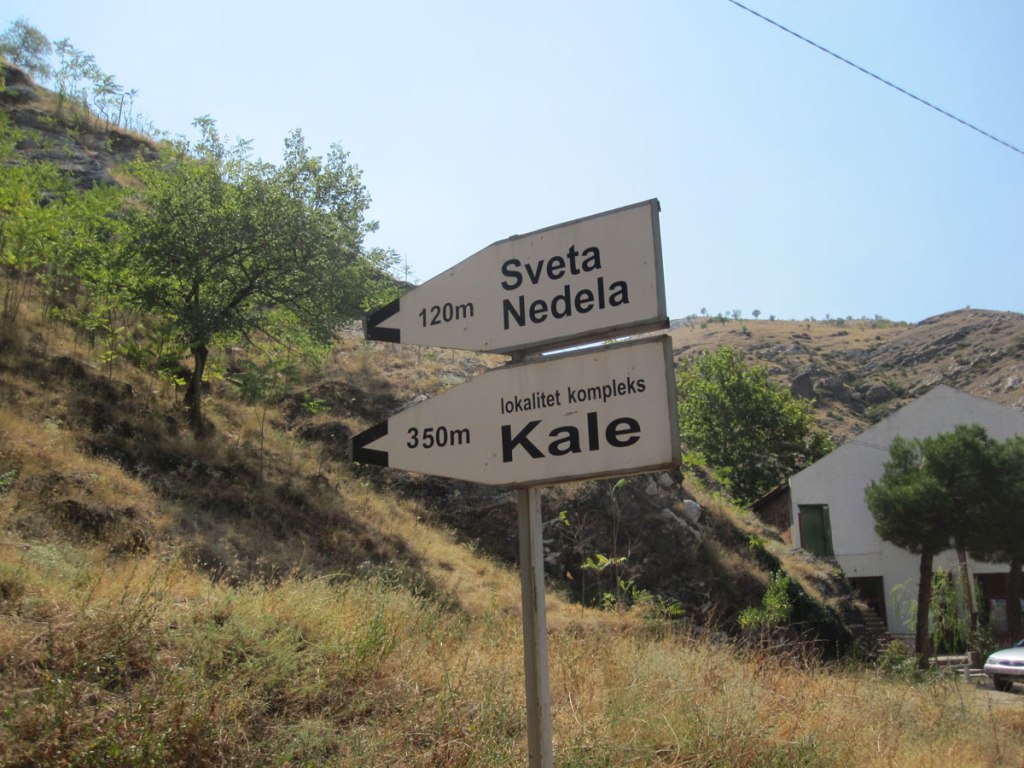
Sign
A sign at the Chapel of St Ana along the road tells you where the path uphill to the Kale Fortress starts. The same path leads to the Church of St Nedela. Follow the path uphill to the south for the ruins of the Kale. They are located just above the 14th century Church of St Nikola. Address: Dimko Najdov, Veles; Directions: N41.70083 E21.78980
Church of St Nedela
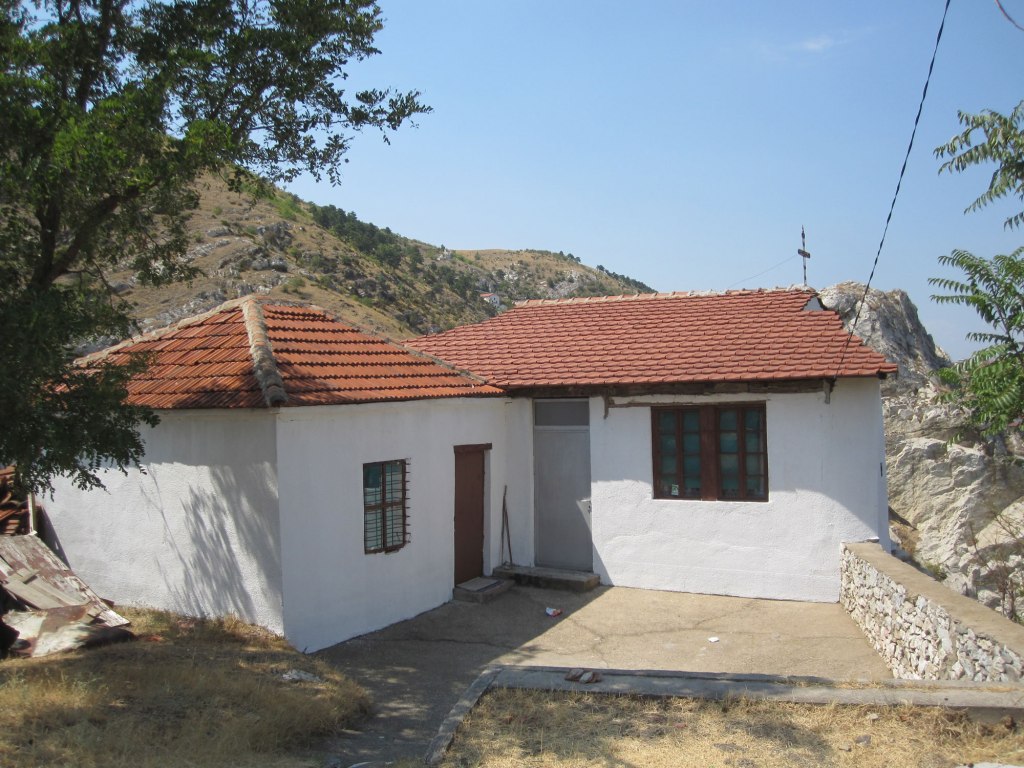
St Nedela 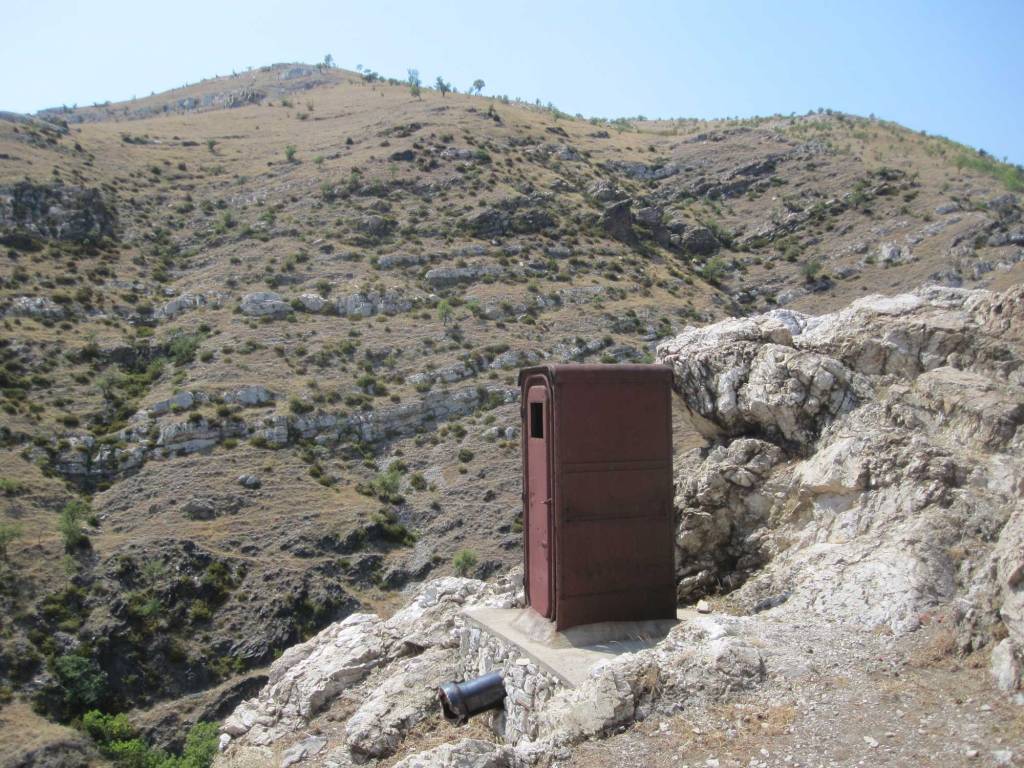
St Nedela
The Church of St Nedela (St Sunday) was closed when we were there. I read that the church is from the 14th century. Close to the church is one of the strangest toilets I have ever seen. It drains directly onto the cliff. And if you get out of the toilet too fast you will fall down the same cliff :-
Monastery of St Dimitri
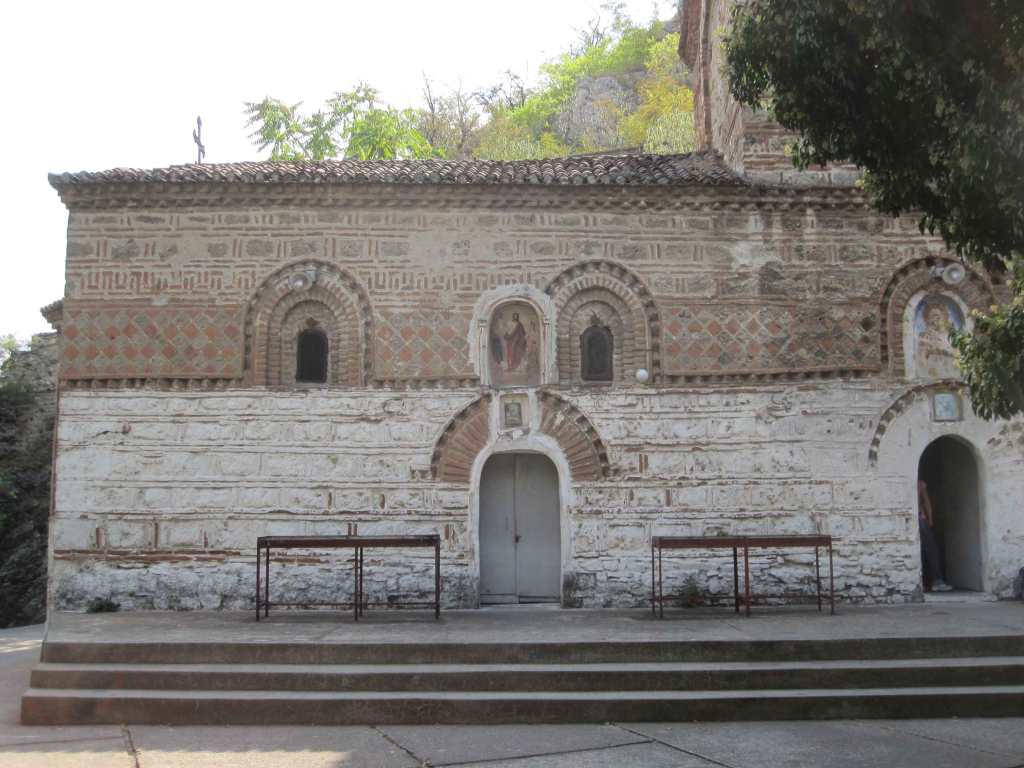
Monastery of St Dimitrija 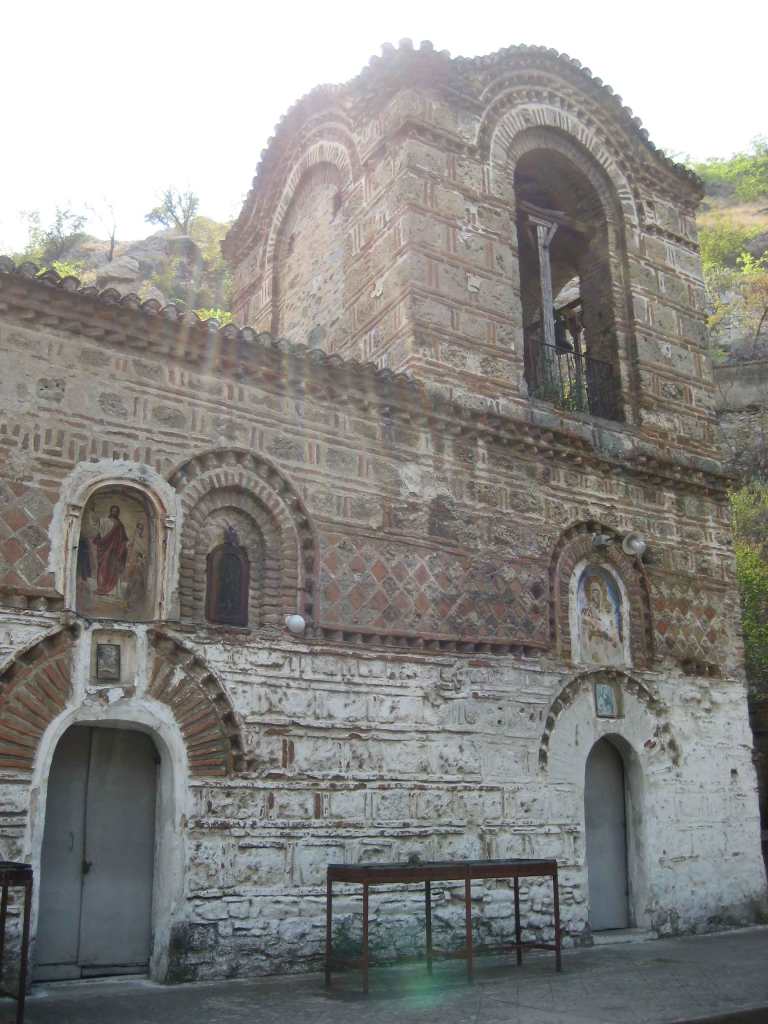
Monastery of St Dimitrija
The Monastery of St Dimitrija (St Demetrius or St Dimitri) is located a bit north of the Fortress and St Nedela. The monastery is from the 14th century, but was buried for almost 500 years during the Ottoman period. Its actual appearance is from 1855. If you want to visit the monastery, make sure you have decent clothes with you. I was not allowed to go in with shorts but had to wrap myself in a skirt 🙂
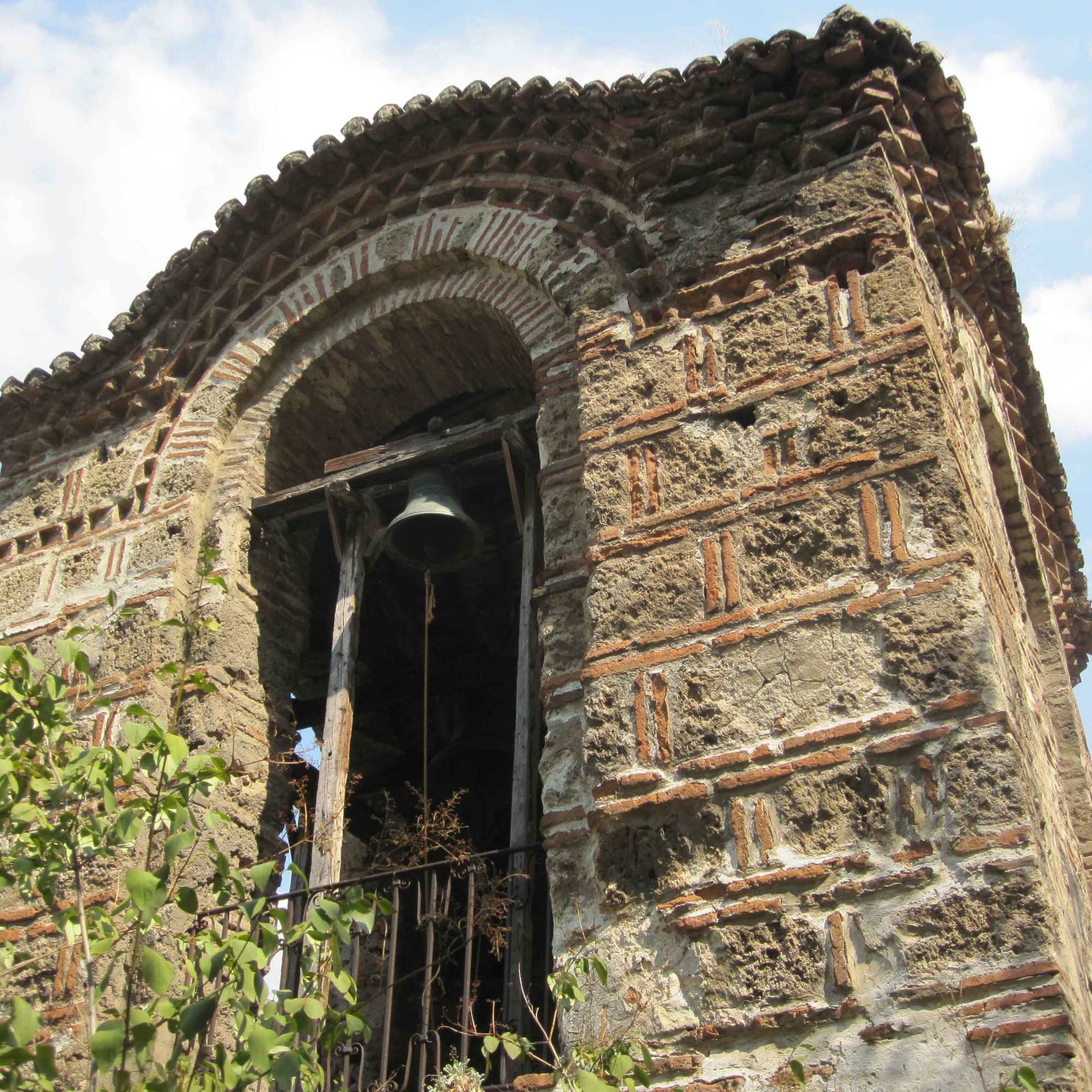
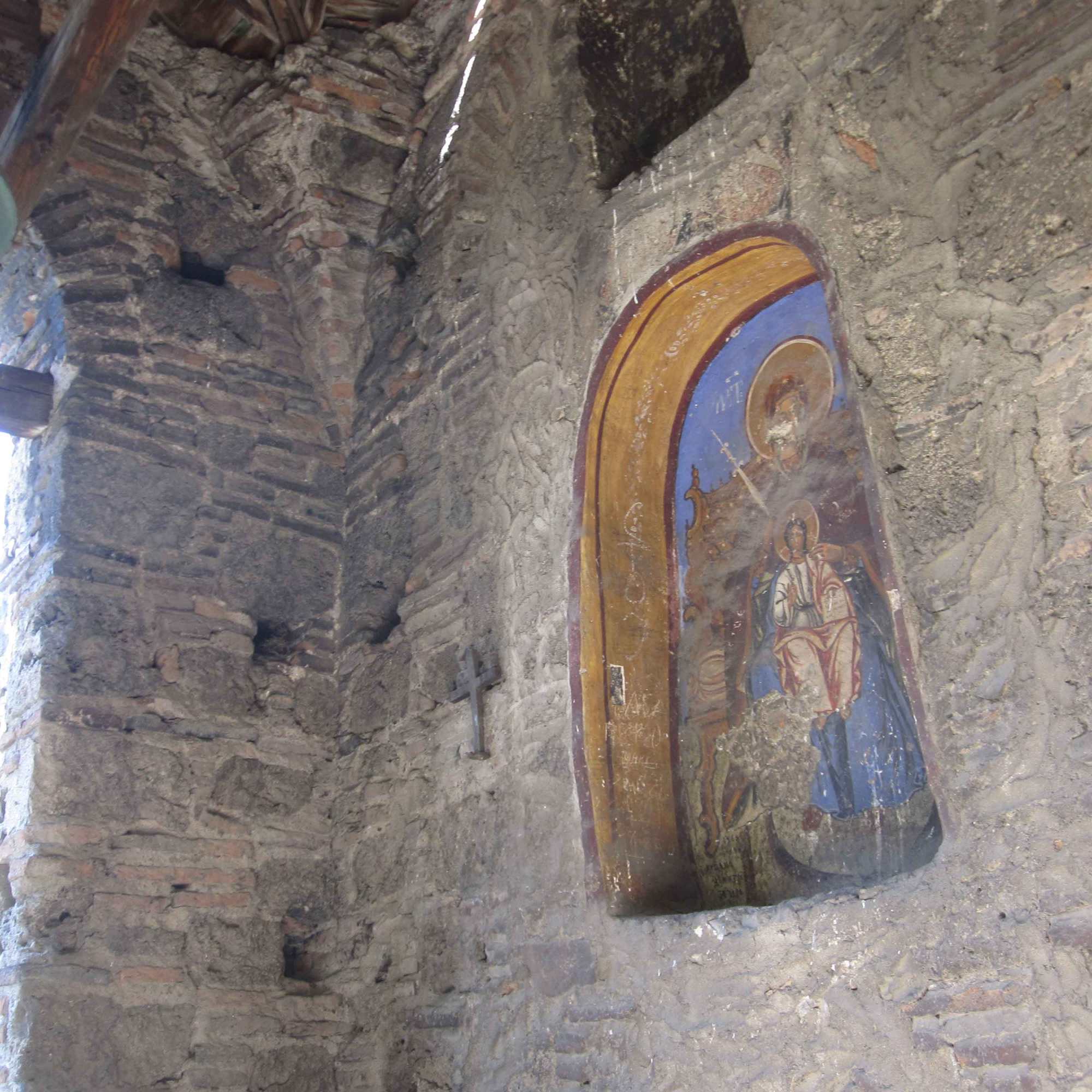
In the clock tower of the church you can find a fresco on one of the walls. Address: Dimko Najdov; Directions: N41.70158 E21.79127
Church of St Nikola
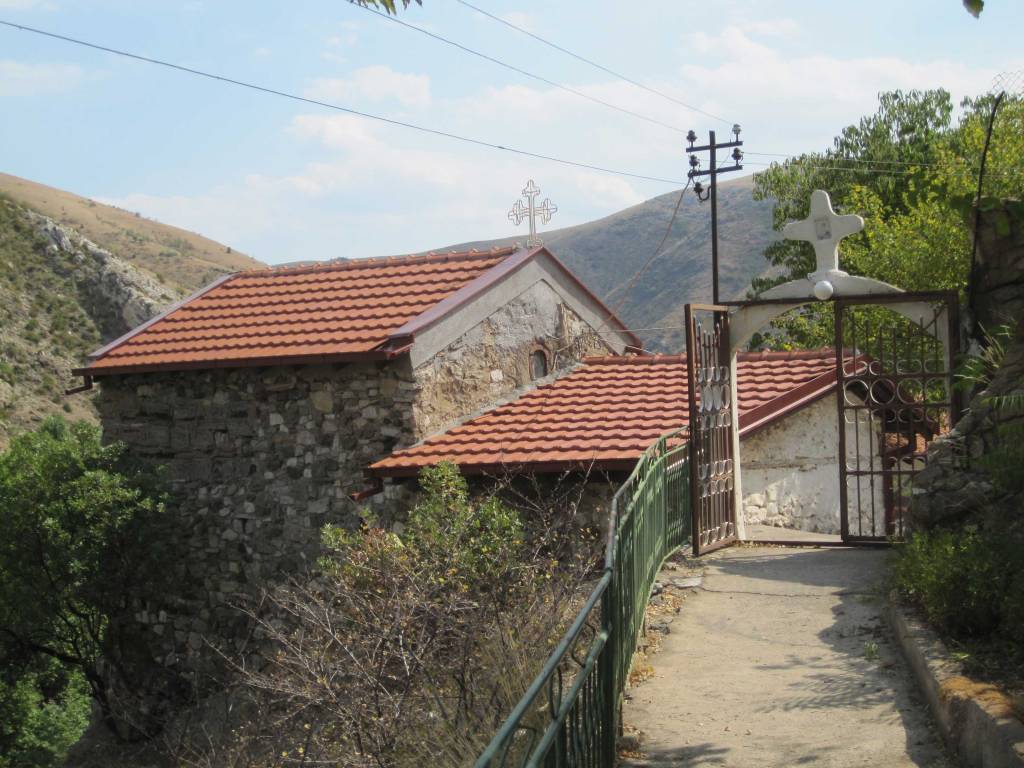
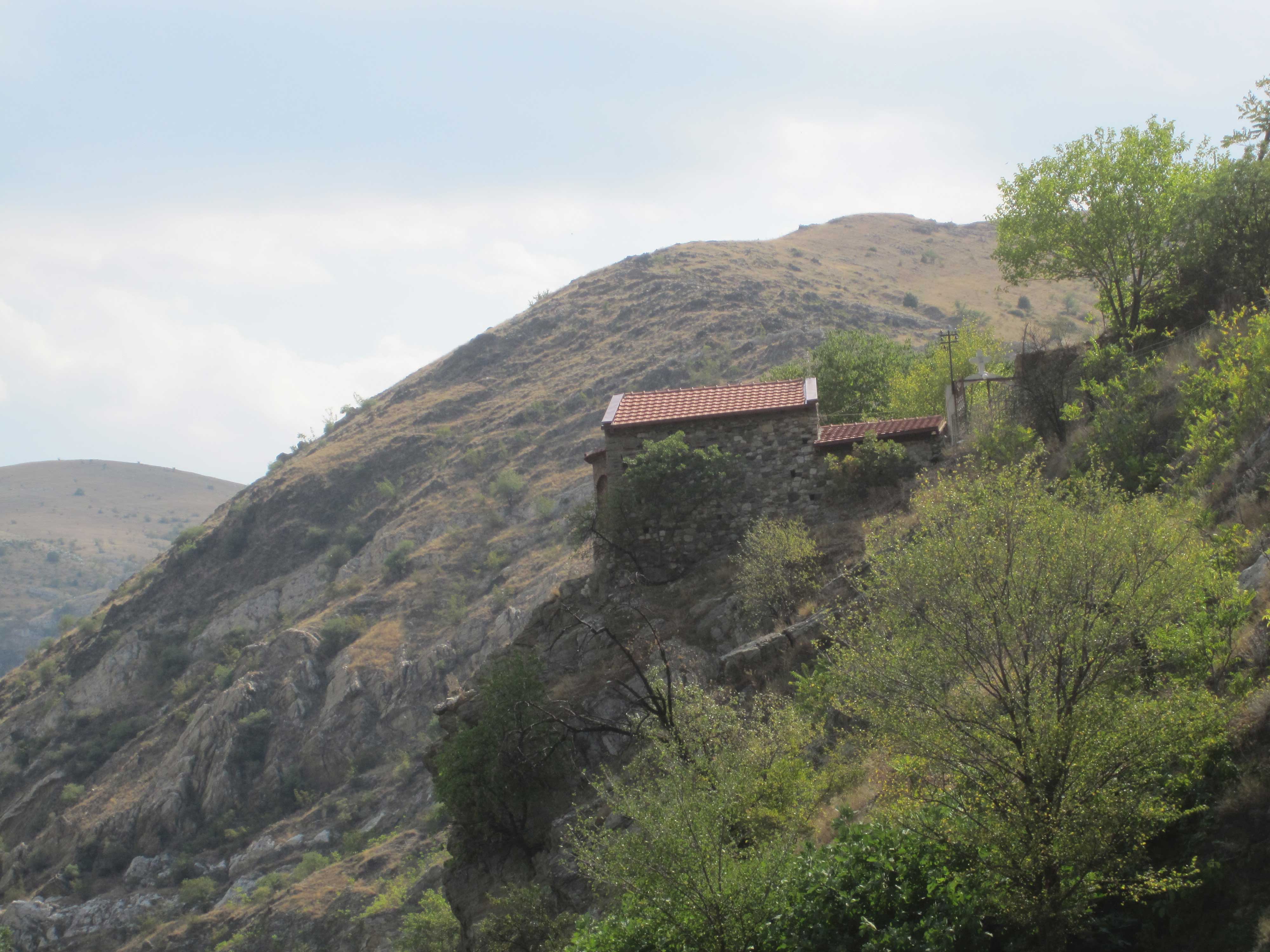
The Church of St Nikola (St Nicholas) is located a bit south of the Kale Fortress. The church is from the 14th century. Above the church is a grave monument.
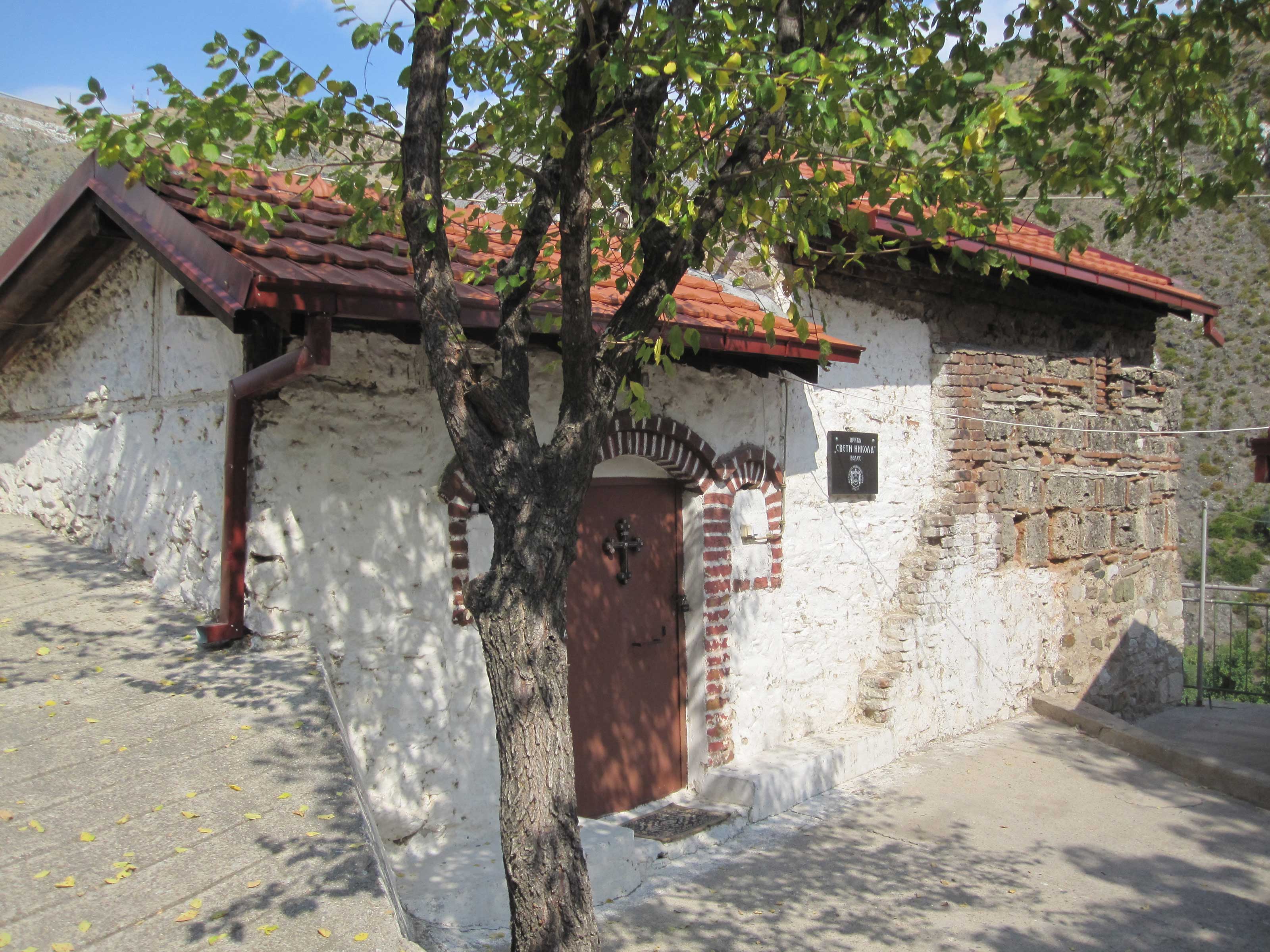
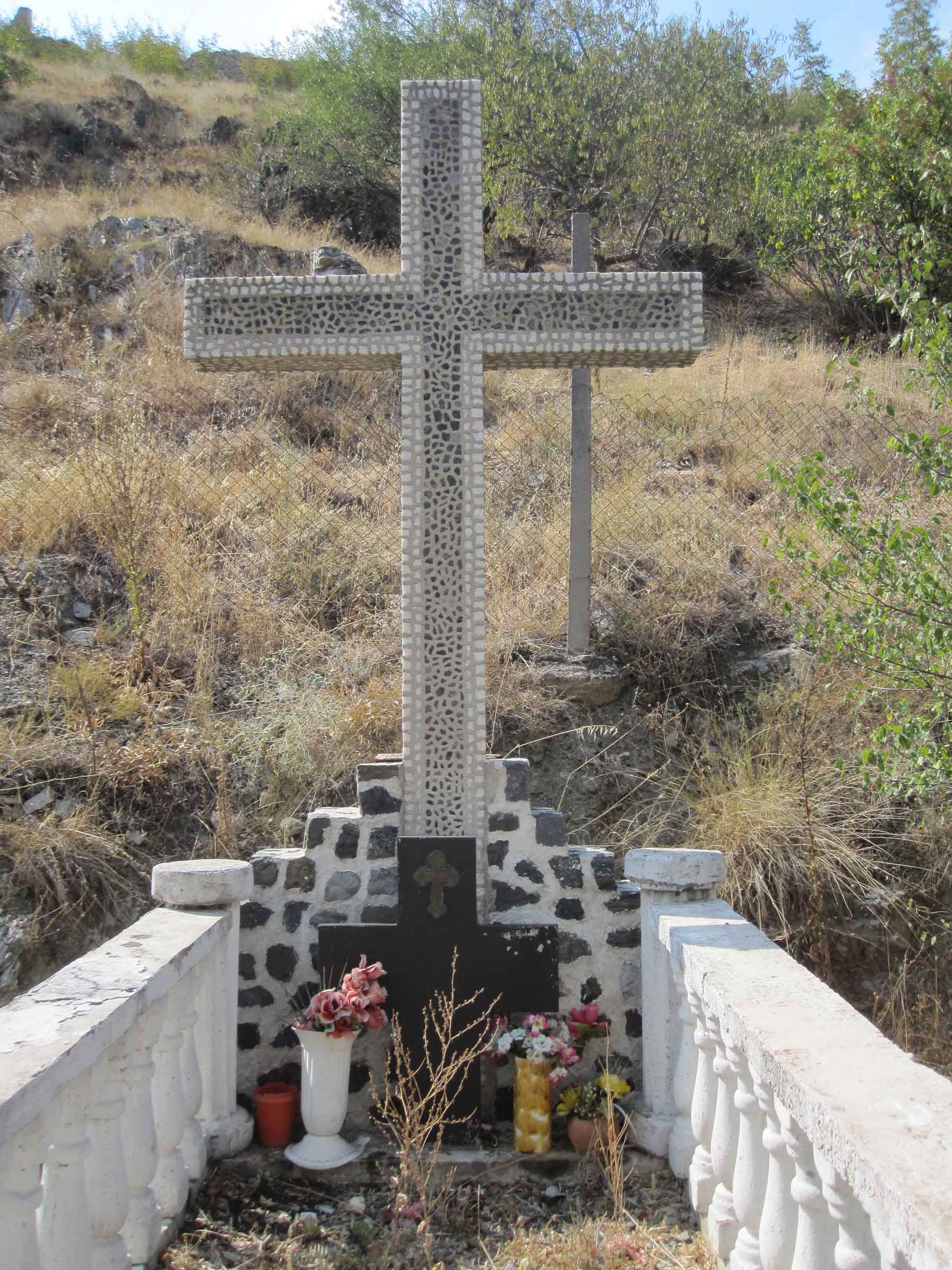
The caretaker of the St Nikola told us that there are the remains of about 12 people in the grave monument, whose skeletons were found on the church ground. He also told us that the church grounds are constantly under attack by goats who eat all the flowers 🙂 Address: Dimko Najdov; Directions: N41.70004 E21.79103
Church of St petka
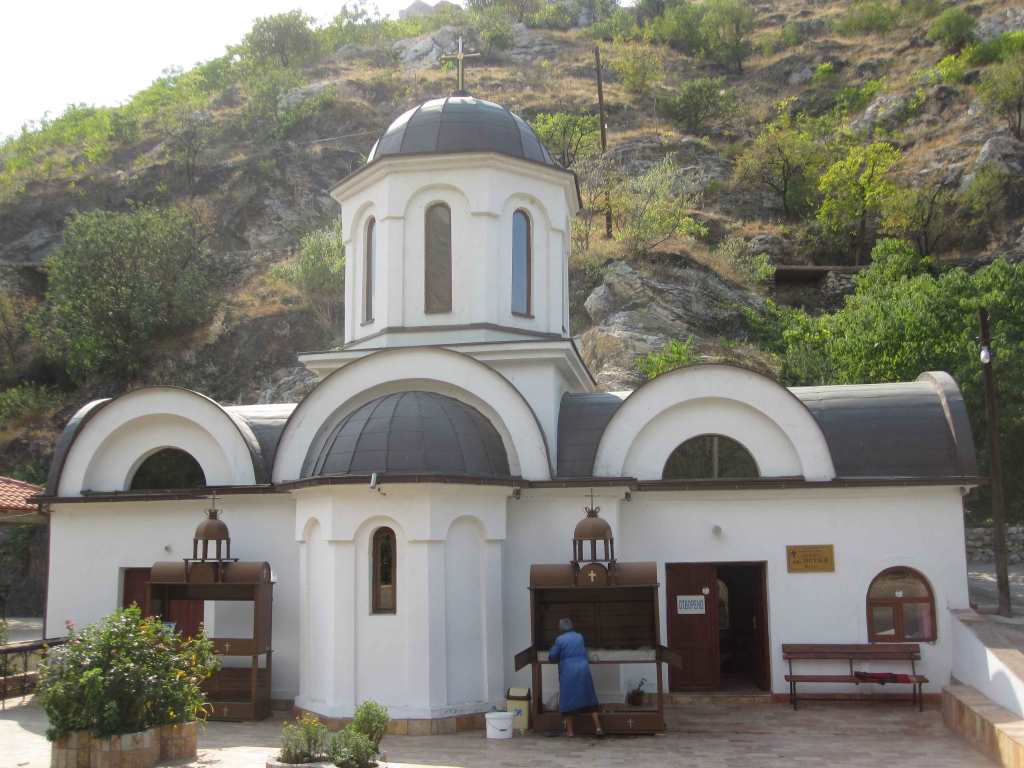
The Church of St Petka is also located beneath the Kale Fortress. The church was built recently, when we were there in 2012 the interior was not finished yet.
Address: Dimko Najdov, Veles; Directions: N41.70090 E21.7915
Castle by the Pchinja River
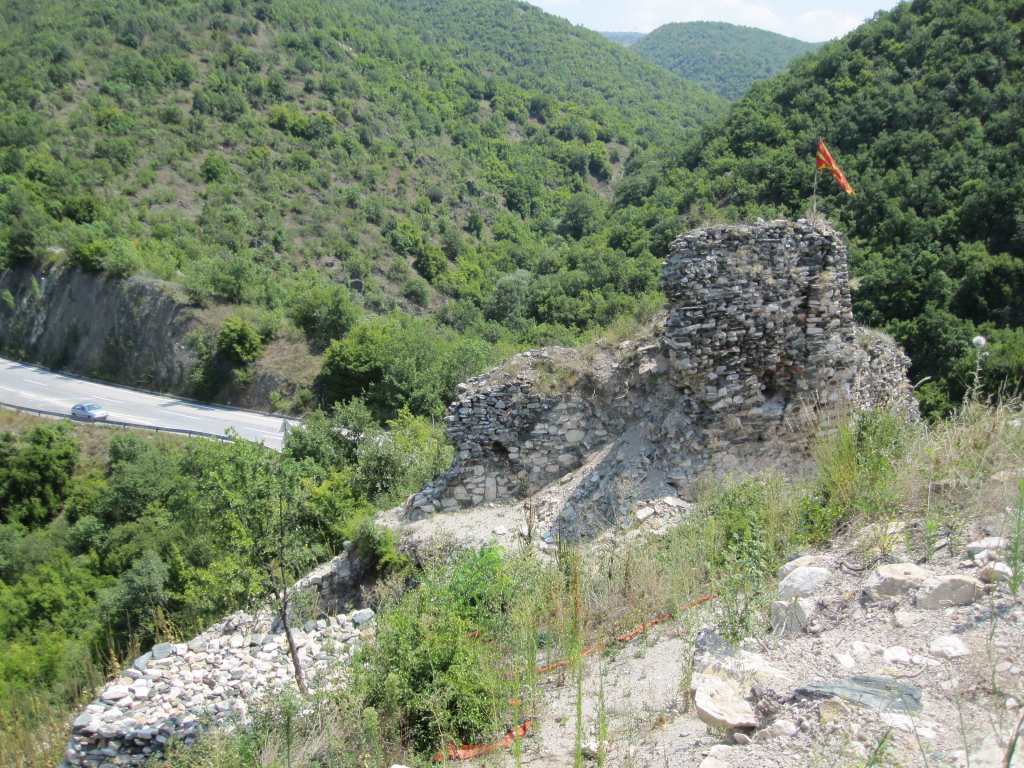
On our way from Skopje to Veles, we saw this Castle on a hill on the right side of the road and we stopped on the small parking in front of it. The castle if just before the bridge on the picture below. The Castle by the Pchinja River was not mentioned in any of the guidebooks we had. The castle was closed off with a fence, but it was not hard to get in. The site is pretty much overgrown (wear pants that cover your legs) and you have to do some climbing to get to the top.
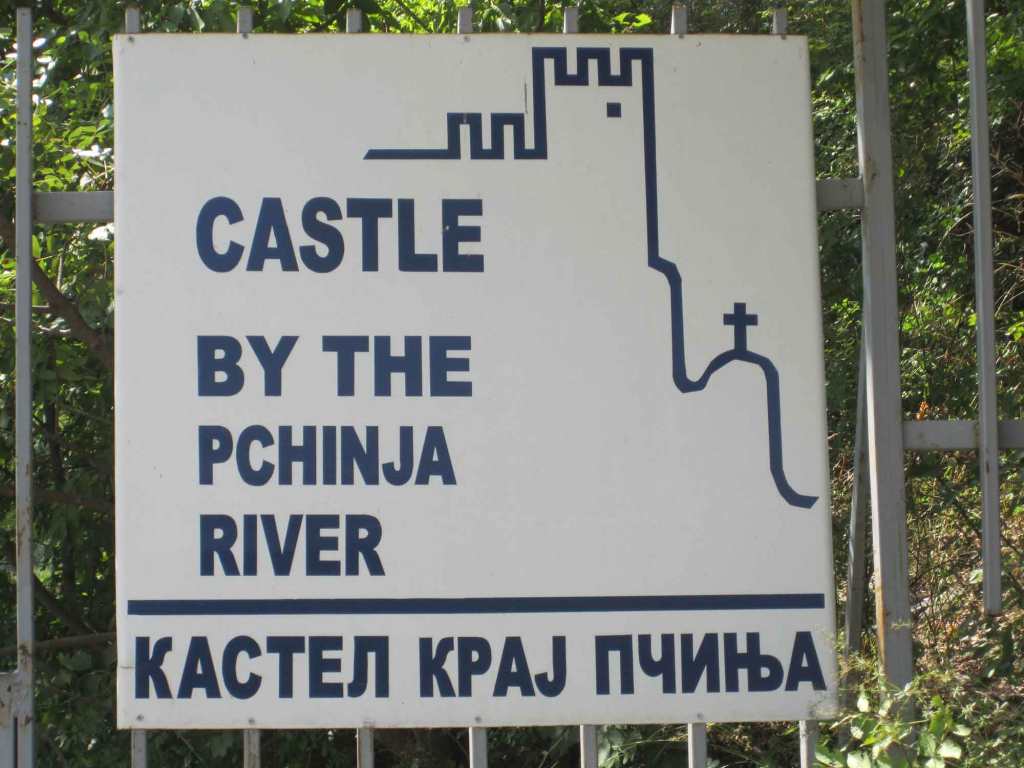
Castle 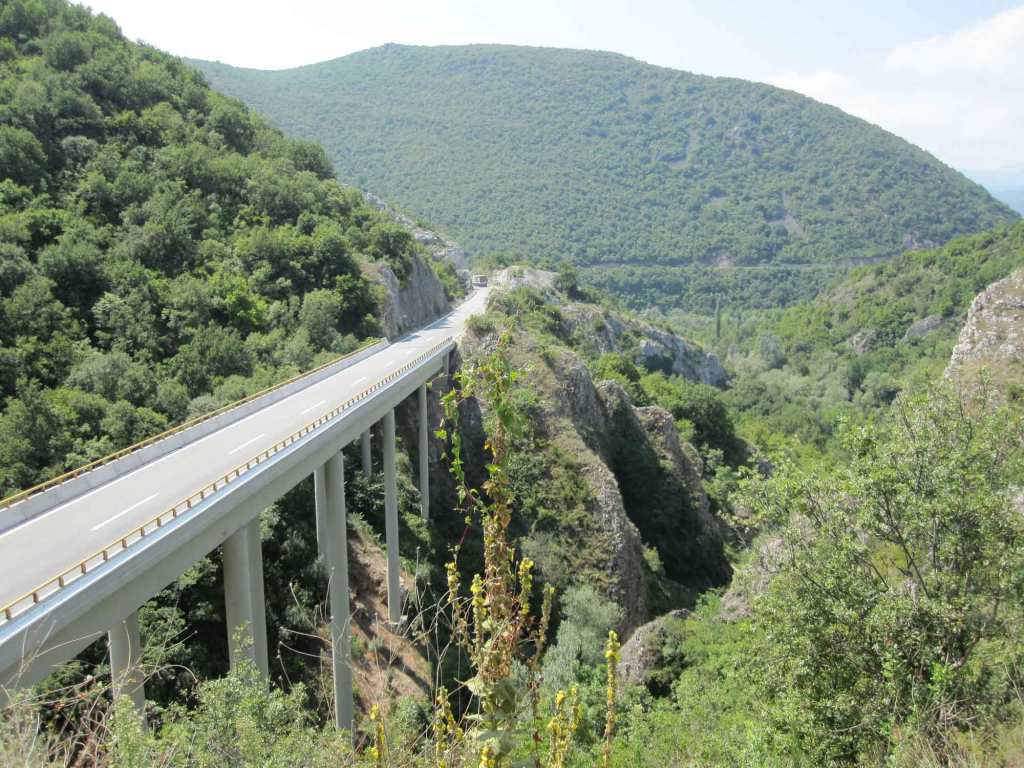
Bridge
Articles found on http://www.mav.mk/ and http://www.culture.in.mk/ written by Kiril Trajkovski and the famous Macedonian archeologist Pasko Kuzman mention the following about the castle (adapted and summarized by me):
“The Castle by the Pchinja River is located 26 km to the southeast of the capital Skopje, on the highway Skopje-Thessalonica. Around 3500 BC, the nameless inhabitants of this minor village were forced to erect palisades in order to protect themselves from the conquerors from the north. Whether these farmers and goatherds living along Pcinja River were part of the tribes of the Brigi, or were just culturally similar to them remains unknown“.
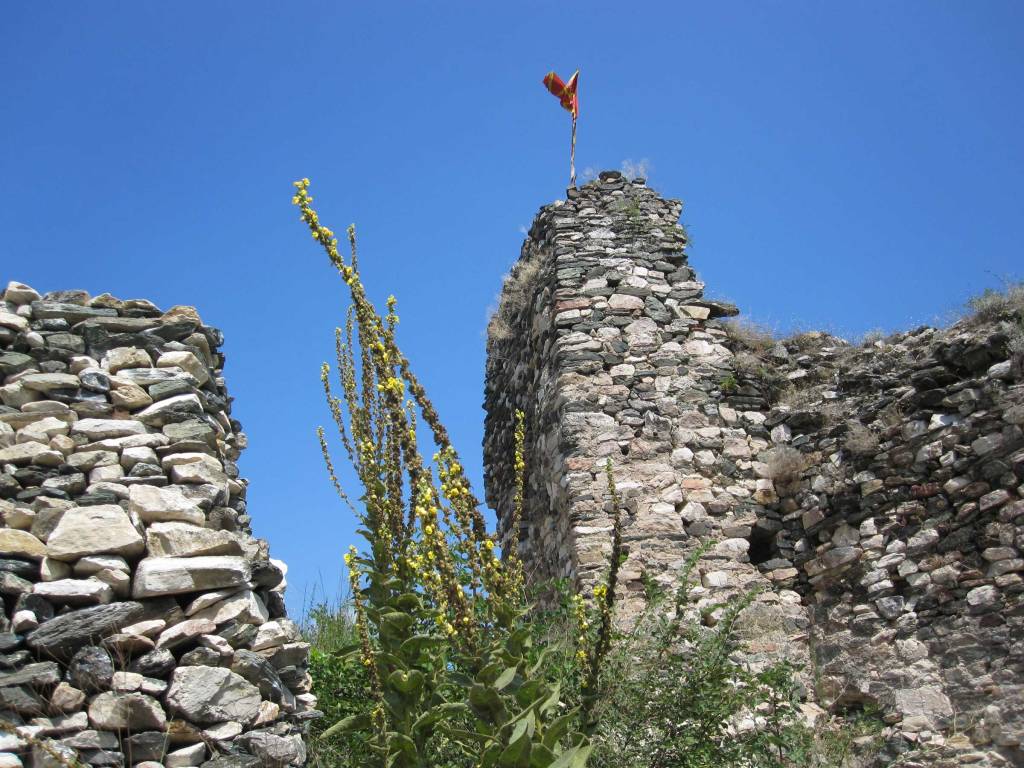
“The few discovered pieces of ceramic vessels older than 1000 BC, are the ones that had been used by the Paeonian warriors who fought together with the Trojans against the Achaians. As a castle, this settlement had a strategic significance between the 4th and 7th century, because of the control of the antique and medieval road from Thessalonica to Skupi (Skopje)“.
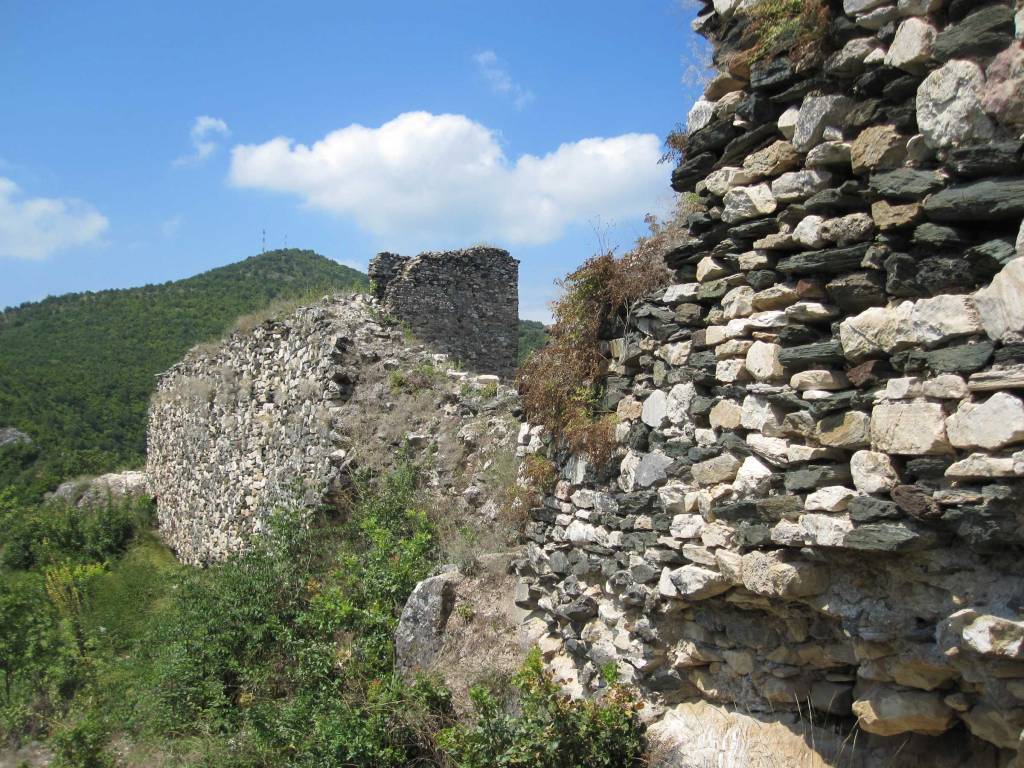
“It is believed that Christian inhabitants erected a church building in the castle, towards the west area overlooking the cliffs, where they took prayers until the first decades of the 7th century when the castle was conquered by Barbarian tribes from the north. Remains of a church with fresco painting fragments belonging to the 12th to 13th centuries have been unearthed in the utmost western part of the area“.
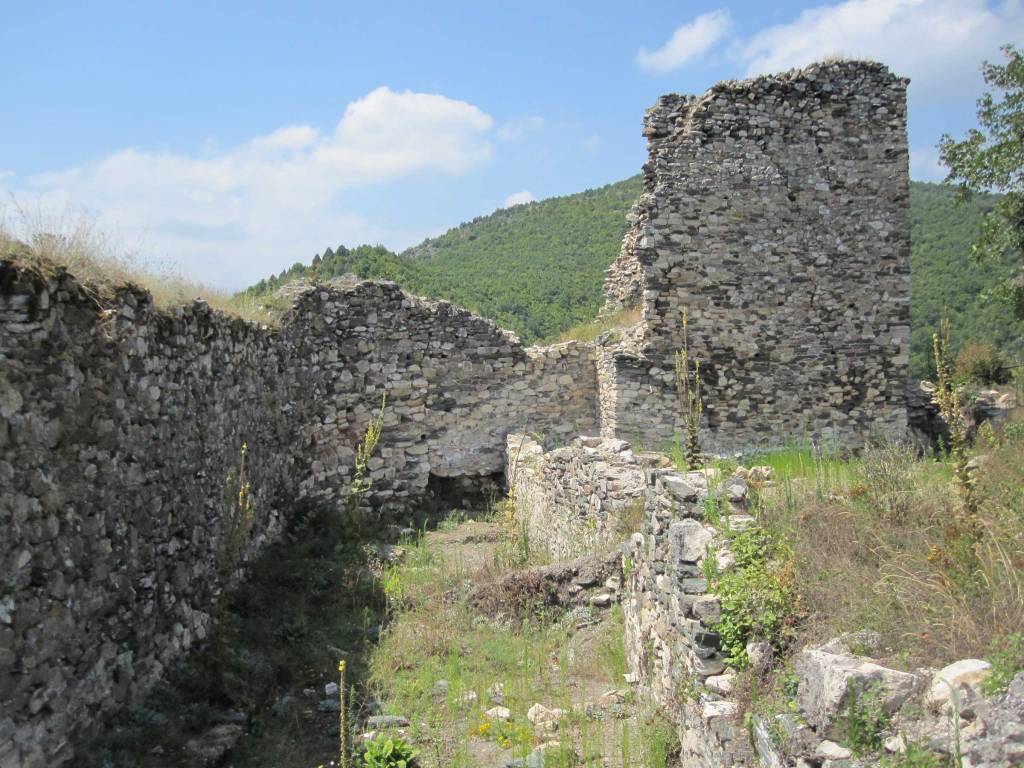
“The reconstitution of the Byzantine Empire in the 11th century restored the active life and reinstated the significance of the Castle, which existed uninterruptedly until the Ottoman conquests towards the end of the 14th century. Also the remains of a cave were found – a monastic cell that was previously believed to be only a natural phenomenon. The findings imply likeliness of the existence of a monastery“.
Monastery St Jovan Veterski
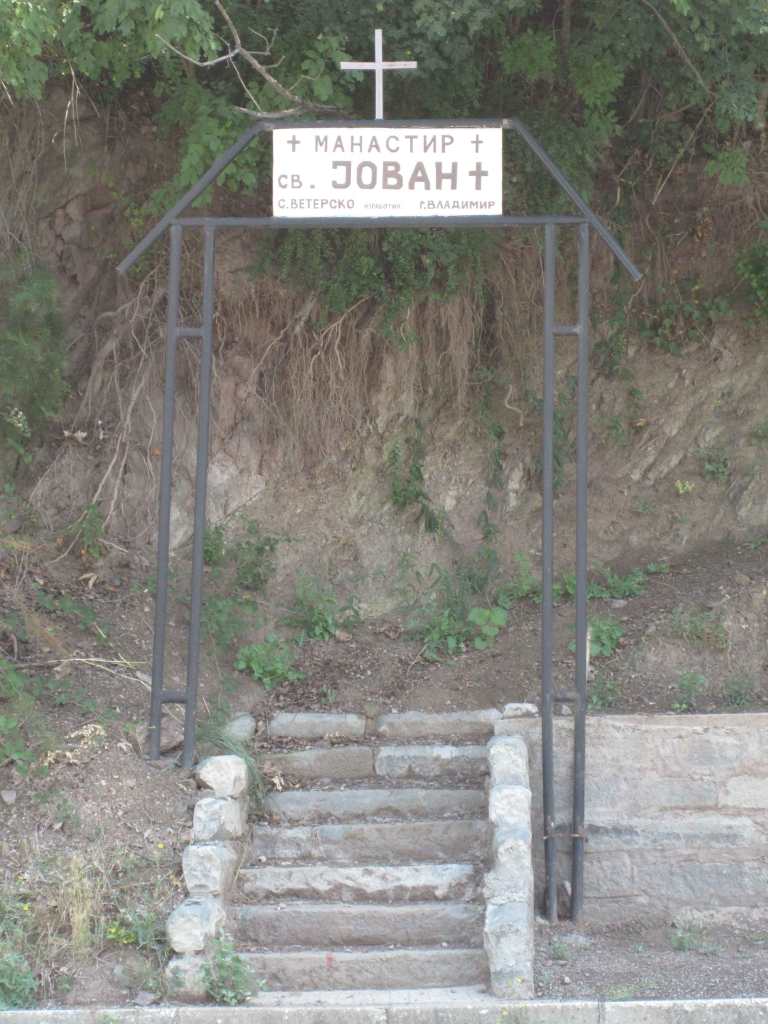
Monastery St Jovan Veterski 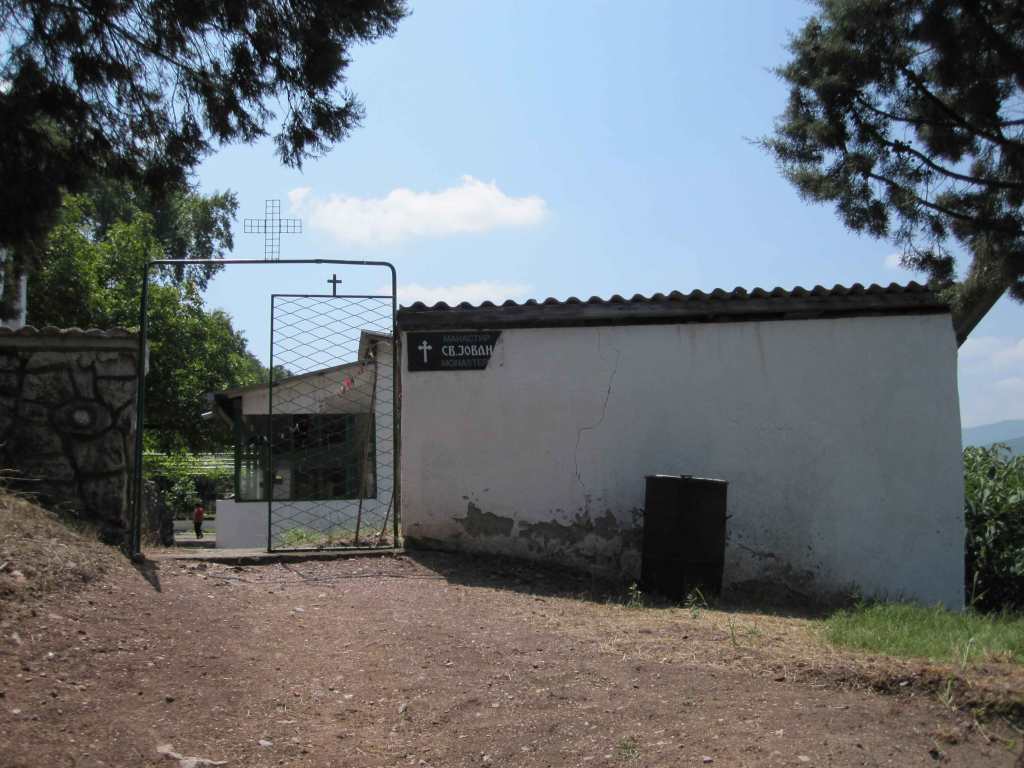
Monastery St Jovan Veterski
There is a small parking on the road from Skopje to Veles near Vetersko, with a little shop selling religious items, a water source and some small chapels. The shop belongs to the Monastery of St Jovan Veterski, which is located a 5-10 minutes steep walk uphill on the other side of the road. This small monastery is not mentioned in any of the guidebooks we had.
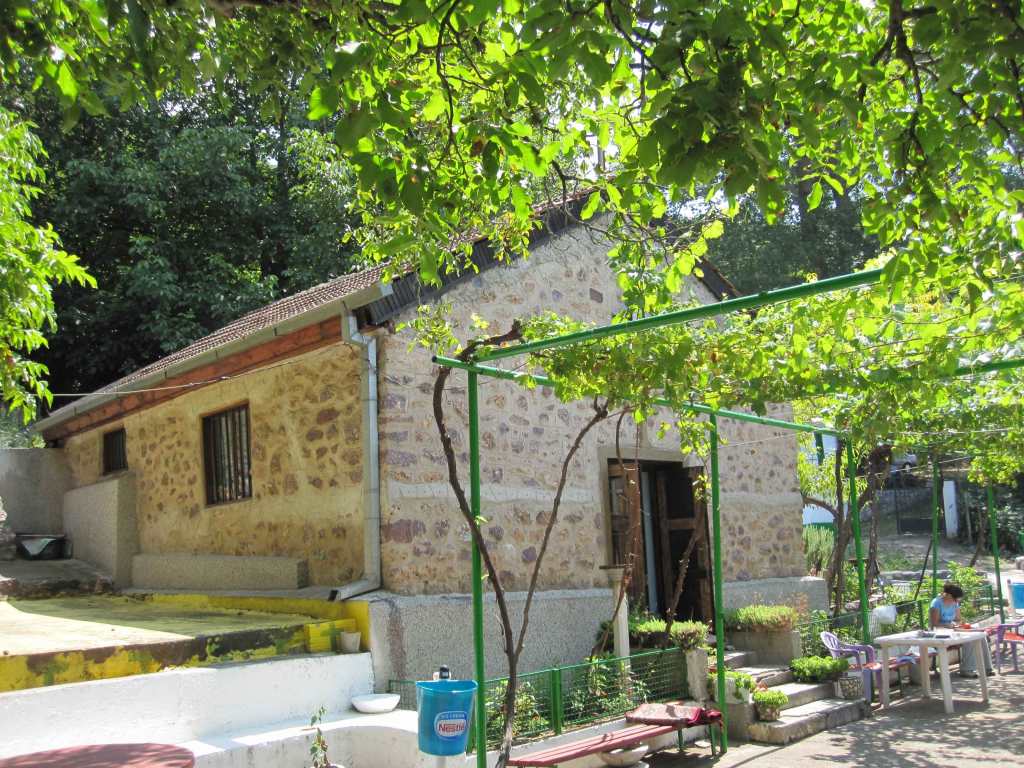
Interestingly, you can stay in this monastery if you want. It is very basic, there is no electricity or shower. However, there is abundant cold streaming water from the water source at the monastery.
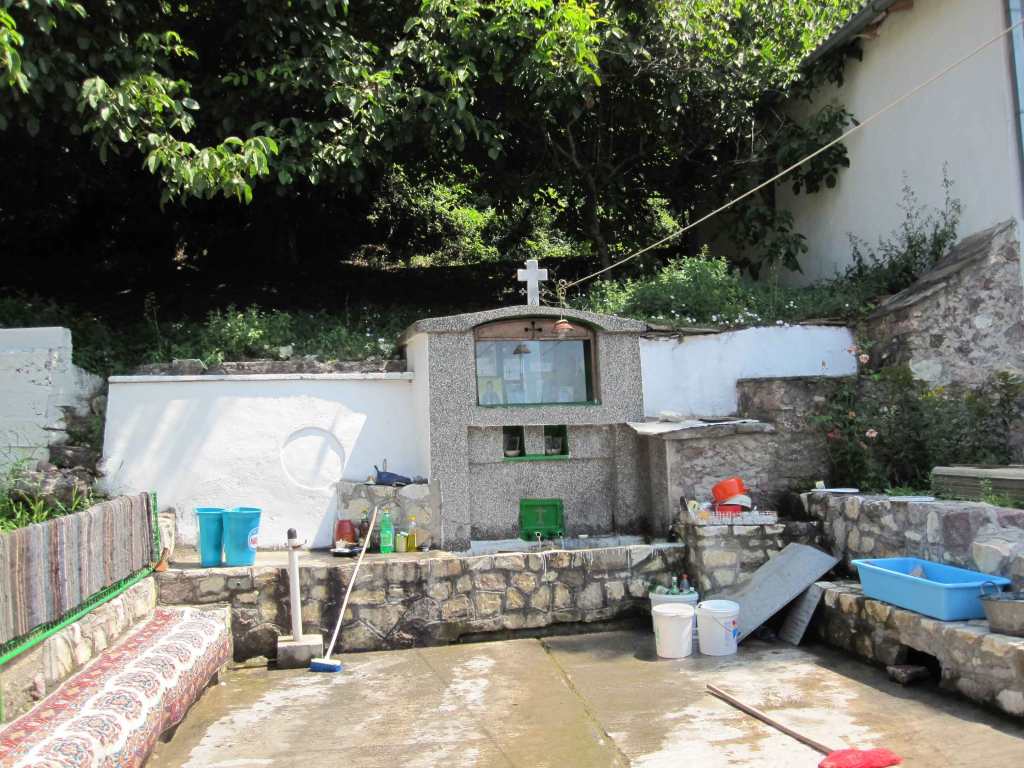
From the rooms you have a magnificent view of the surrounding hills and the Monastery of St Bogorodica, which is located on the other side of the road at the river Pcinja. When we were there, a family was staying at the St Jovan Monastery, they were busy painting the iconostasis and cleaning the carpets of the church. They offered us coffee, which we gladly accepted of course.
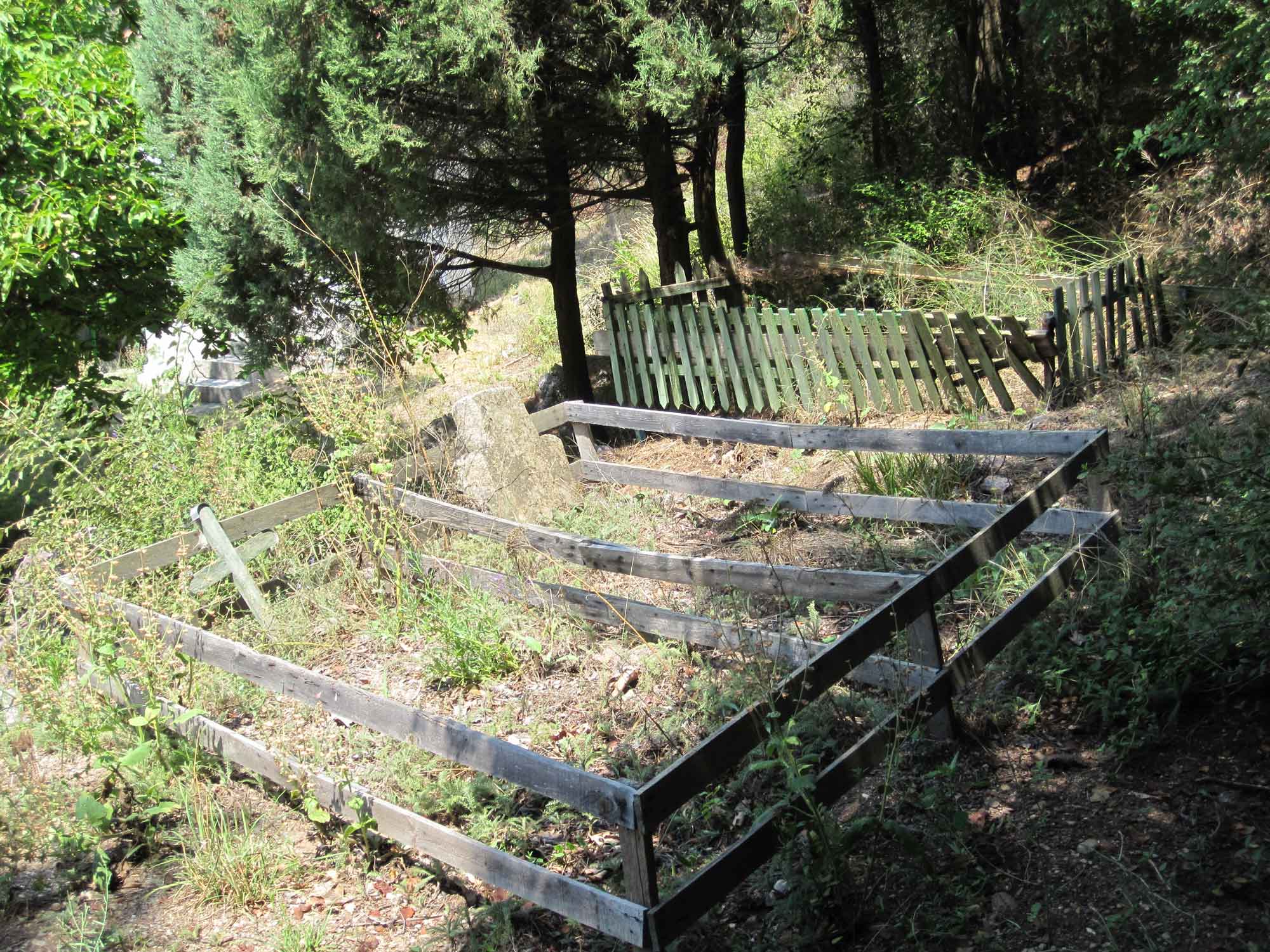
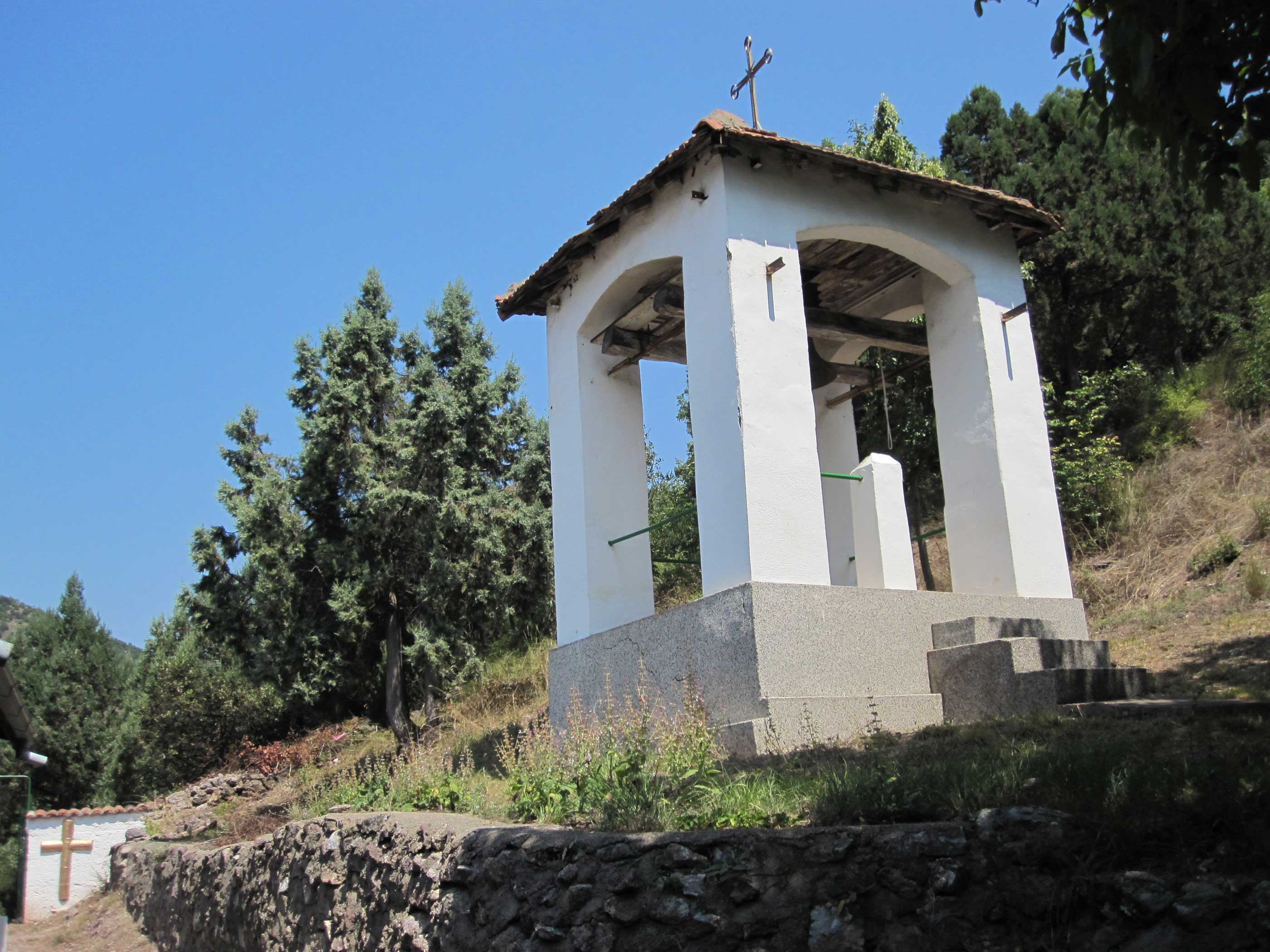
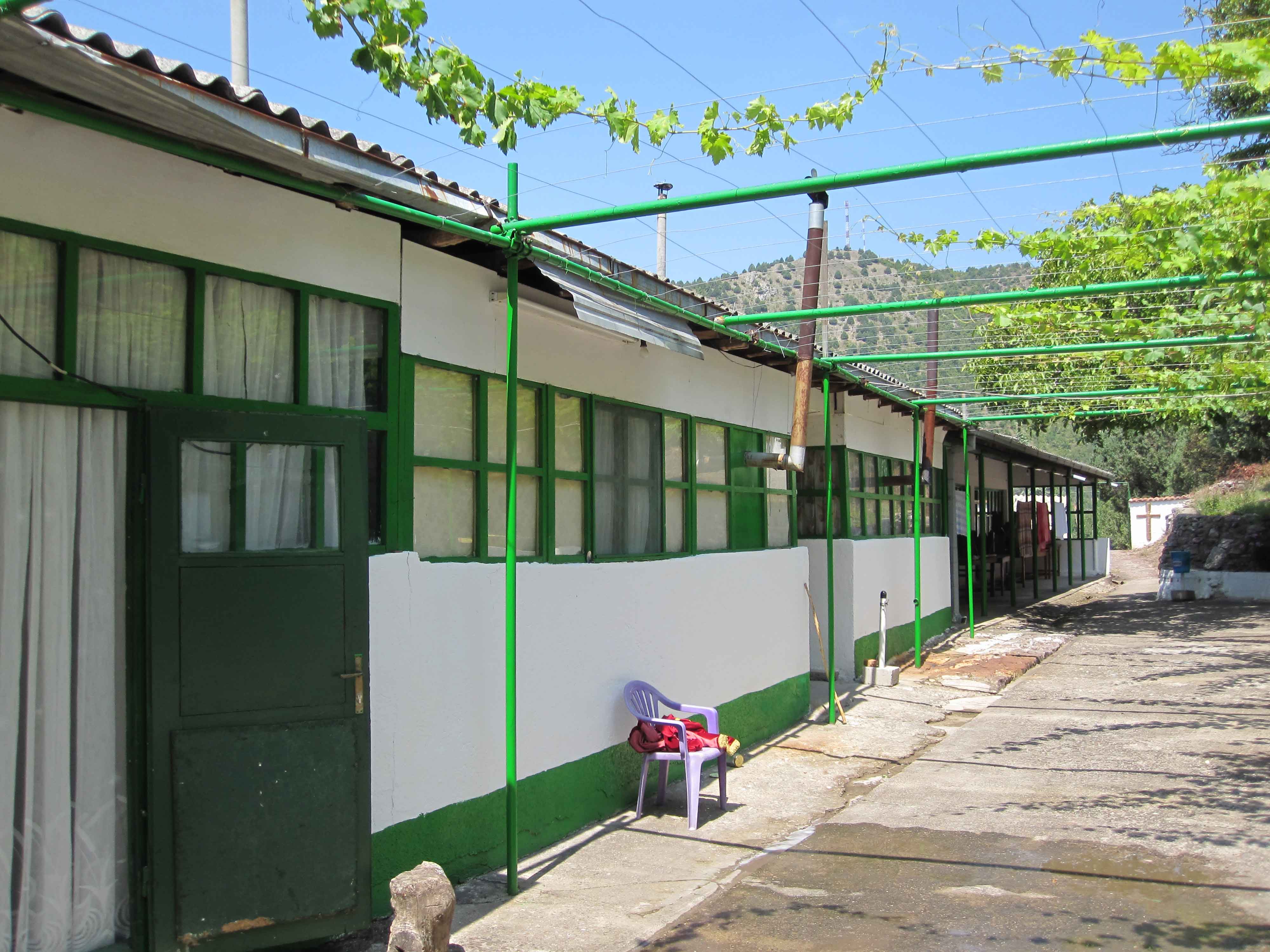
On the Monastery grounds, there are also 5 graves belonging to people who died during the Ilinden uprising in 1903
Monastery of St Bogorodica
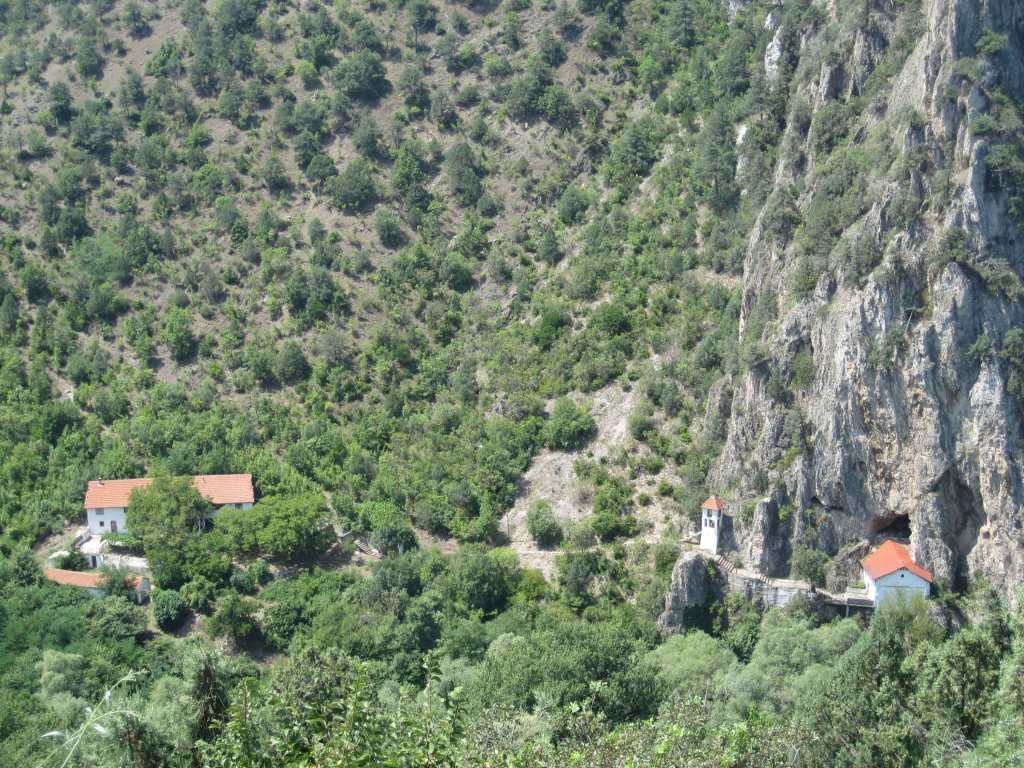
The above mentioned Monastery of St Jovan Veterski is on the left side of a parking along the road from Skopje to Veles. On the right side of the road, in the valley next to the river, you can see the Monastery of St Bogorodica. The Monastery church is partially built into the rocks.
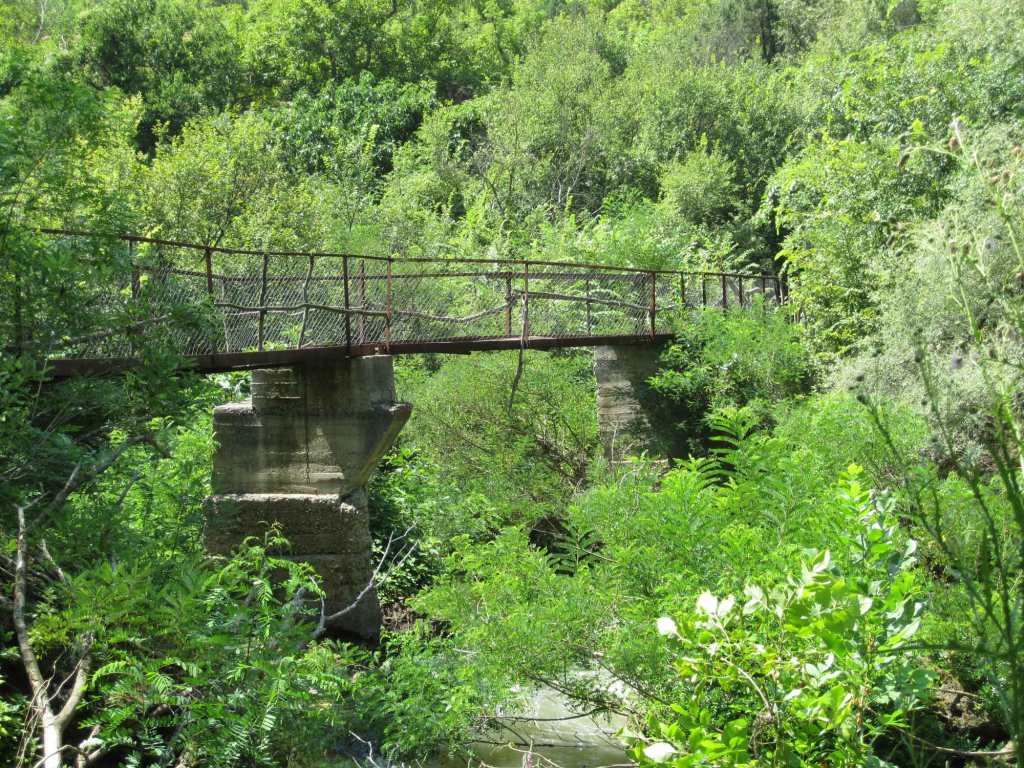
It is an attractive 5-10 minutes walk from the road down to the Monastery of Sr Bogorodica, including a rickety bridge over the river. This small monastery is not mentioned in any of the guidebooks we had.
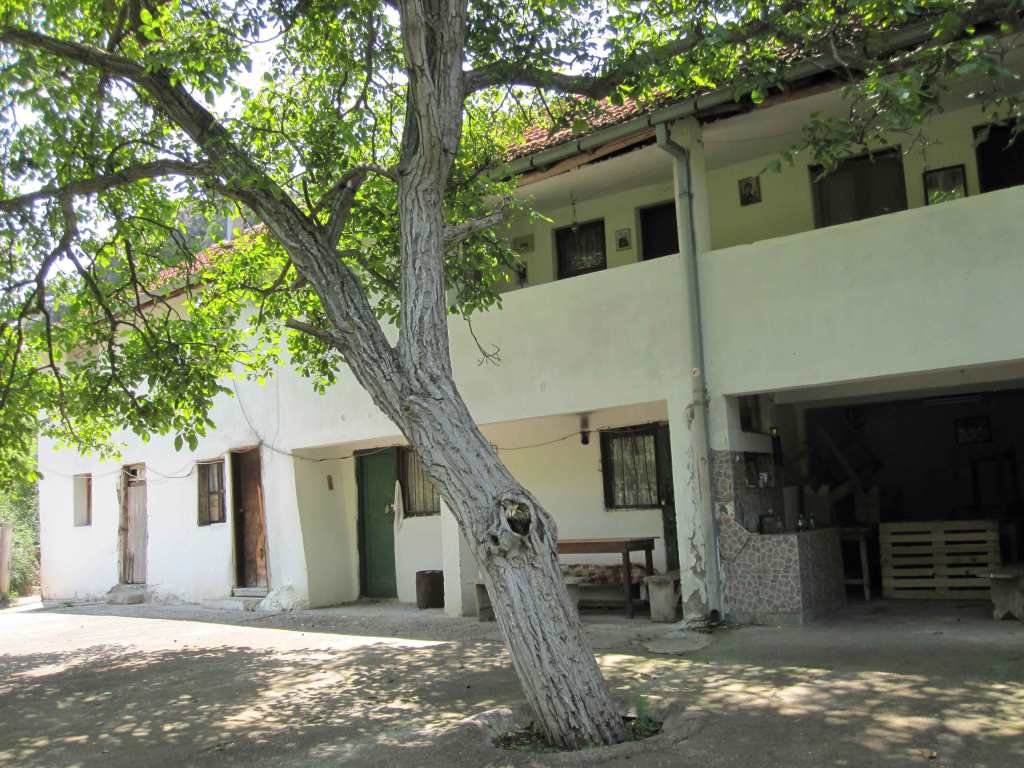
The St Bogorodica Monastery was unfortunately not open, and apparently the man with the key lives all the way back in Skopje. The monasteries of St Jovan Veterski and St Bogorodica are just a few 100 meters apart but allegedly belong to different jurisdictions of the church, as the carekeeper of the St Jovan Monastery told us.
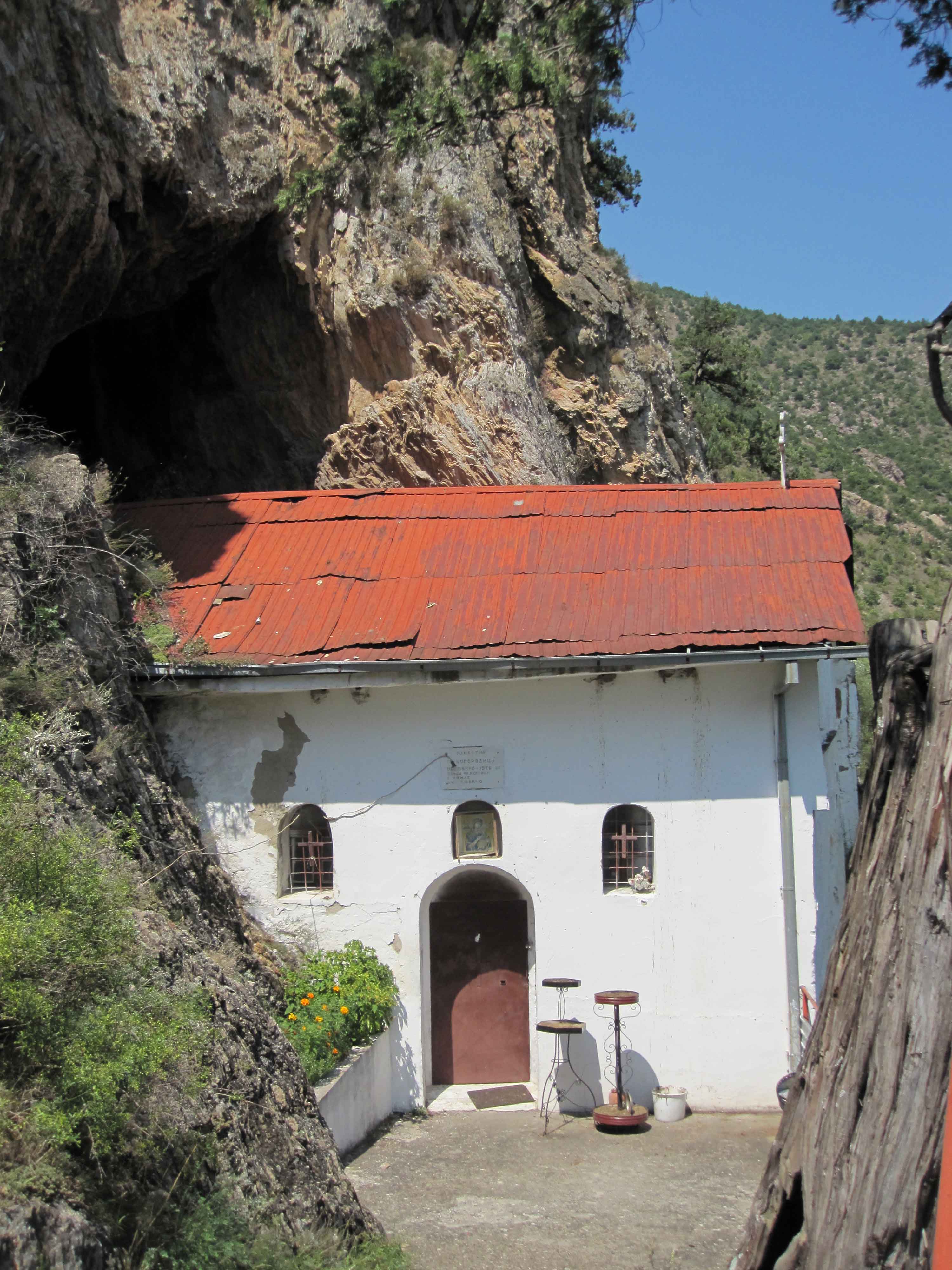
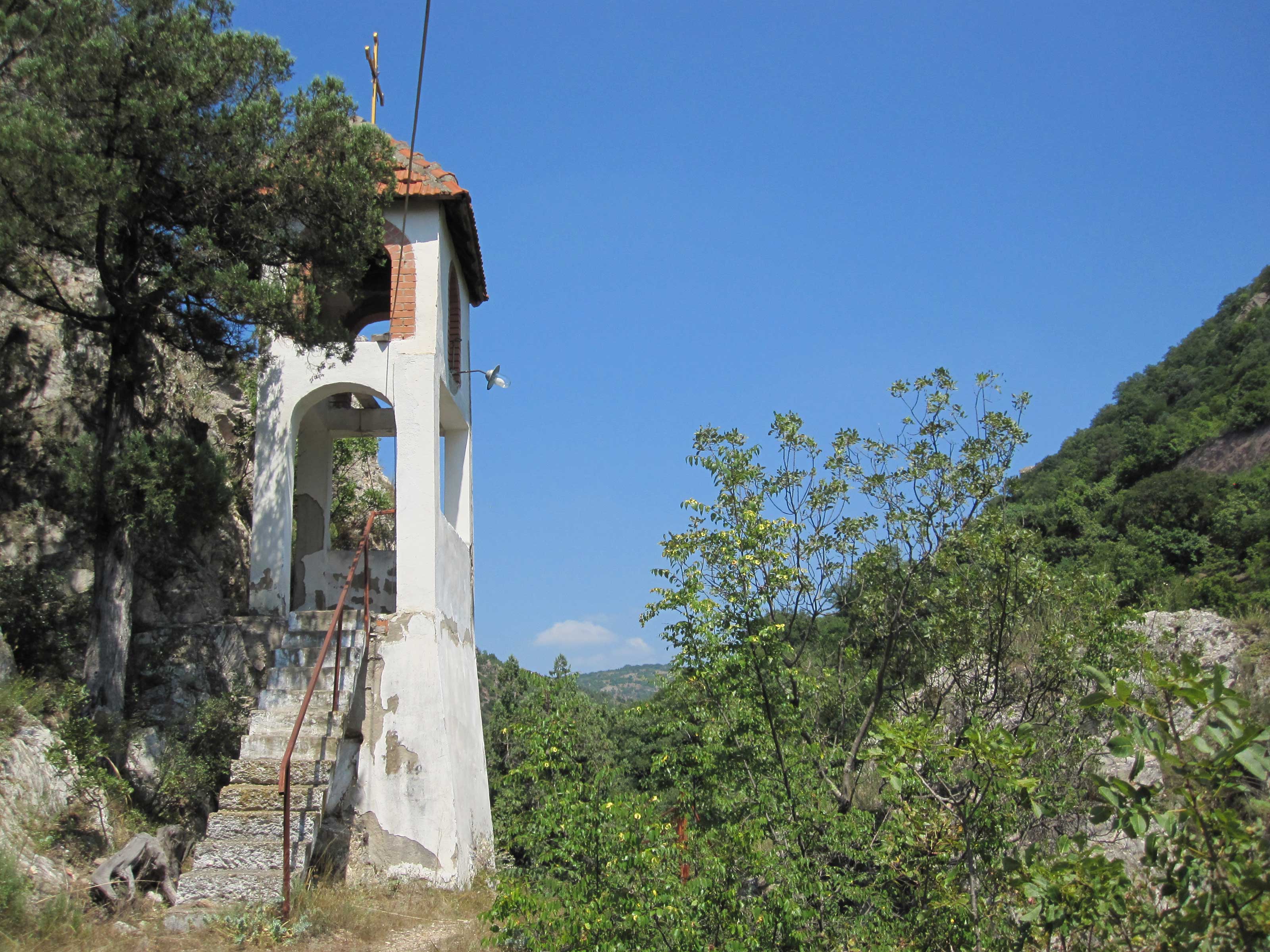
The church on the left picture was renovated in 1976. We were warned for wild dogs when we decided to descent down to the Monastery of St Bogorodica, but we didn’t see any. It may not hurt to take a stick with you though 🙂
 My Macedonia Blog