National Museum of Ohrid / Robevci family house
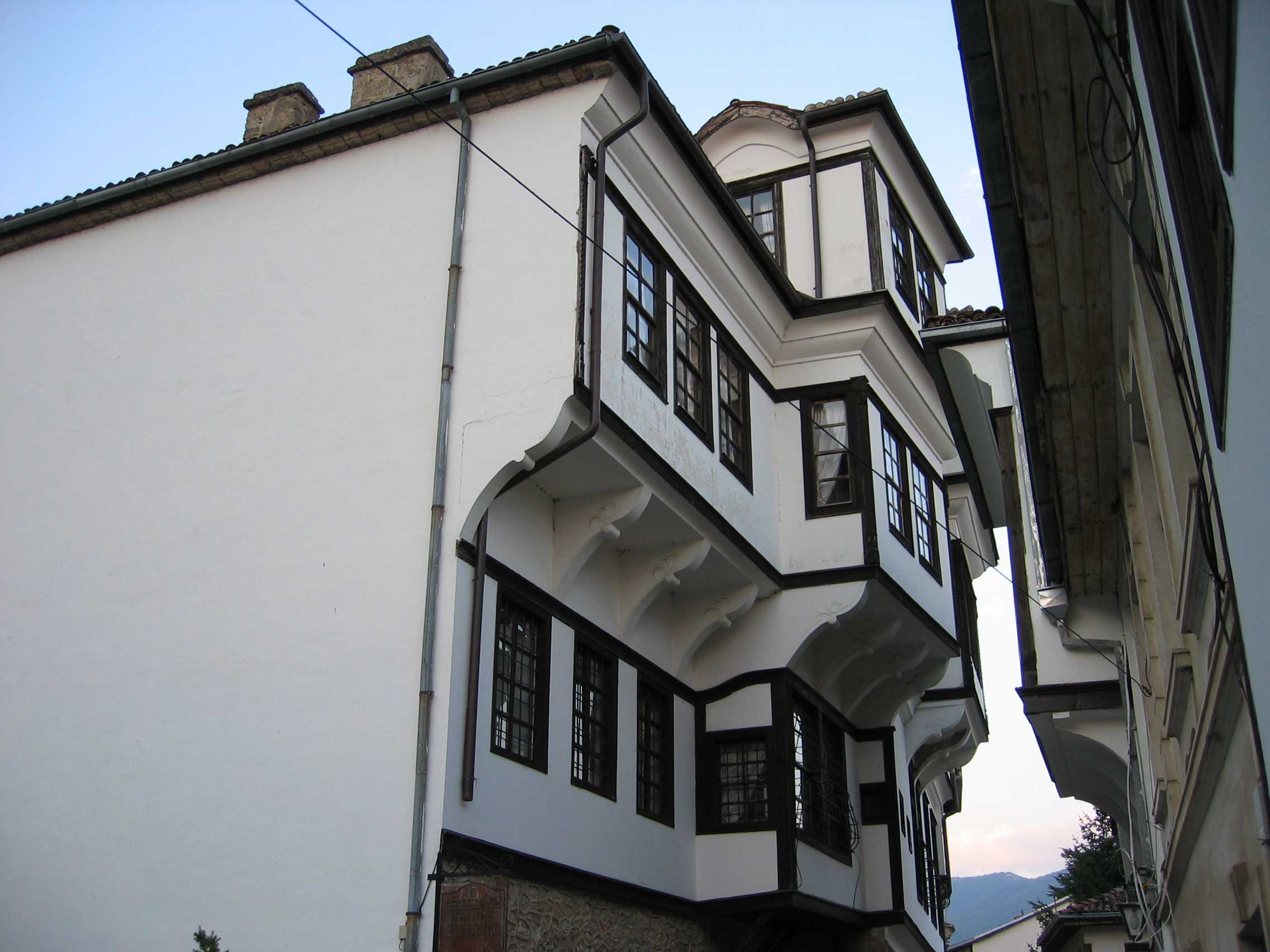
The National Museum of Ohrid was first established in 1516 in St Clement’s Church of Bogorodica Peri vleptos, as a museum to the Archbishopric of Ohrid, making it one of the oldest museums in the world. Now the archeological part of the collection is in the former residence of the Robev family.The Robevci House is one of the finest examples of 19th-century Macedonian architecture in the land. Opening hours (summer 2008) in the morning 09.00-14.00 h, opens again in the evening at 19.00-23.00 h. Closed on Mondays, opening times may be different in the winter. Address: Tzar Samuel street. Directions: N41.11219 E20.79609
Icon Gallery
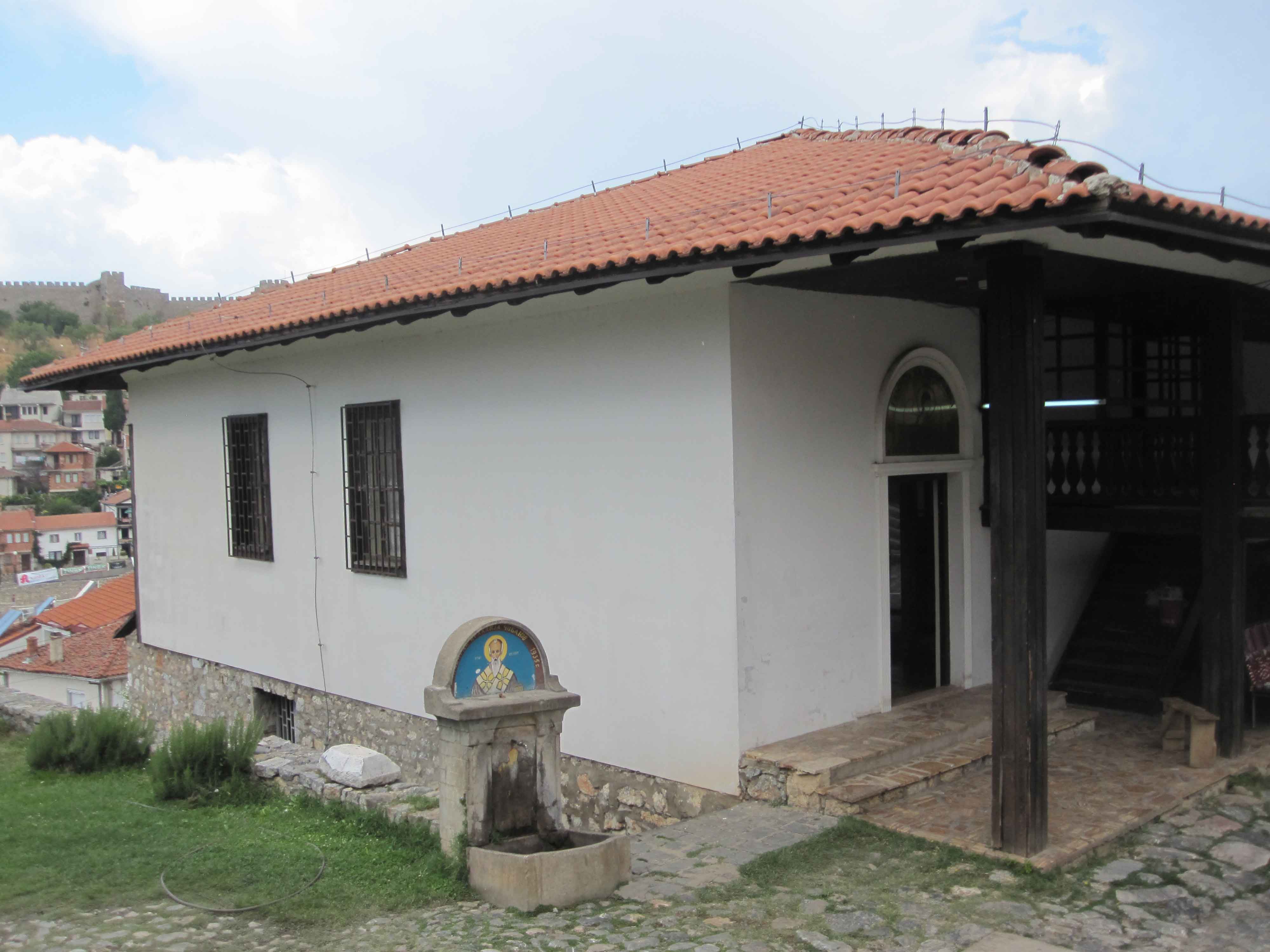
The Icon Galley is opposite to the Church of Bogorodica Perivleptos on top of Ohrid’s hill near the Upper Gate. It is a very modest building and you may not notice it if you wouldn’t know about the treasures it houses.Many of the approximately 50 icons on display icons are actually from Church of Bogorodica Perivleptos. Entrance 50 denars (locals) or 100 denars for foreigners (1.60 euro). The man who works here is the caretaken of the Church of St Barbara down the hill and may open it for you if you’re interested.
Grigor Prlicev House
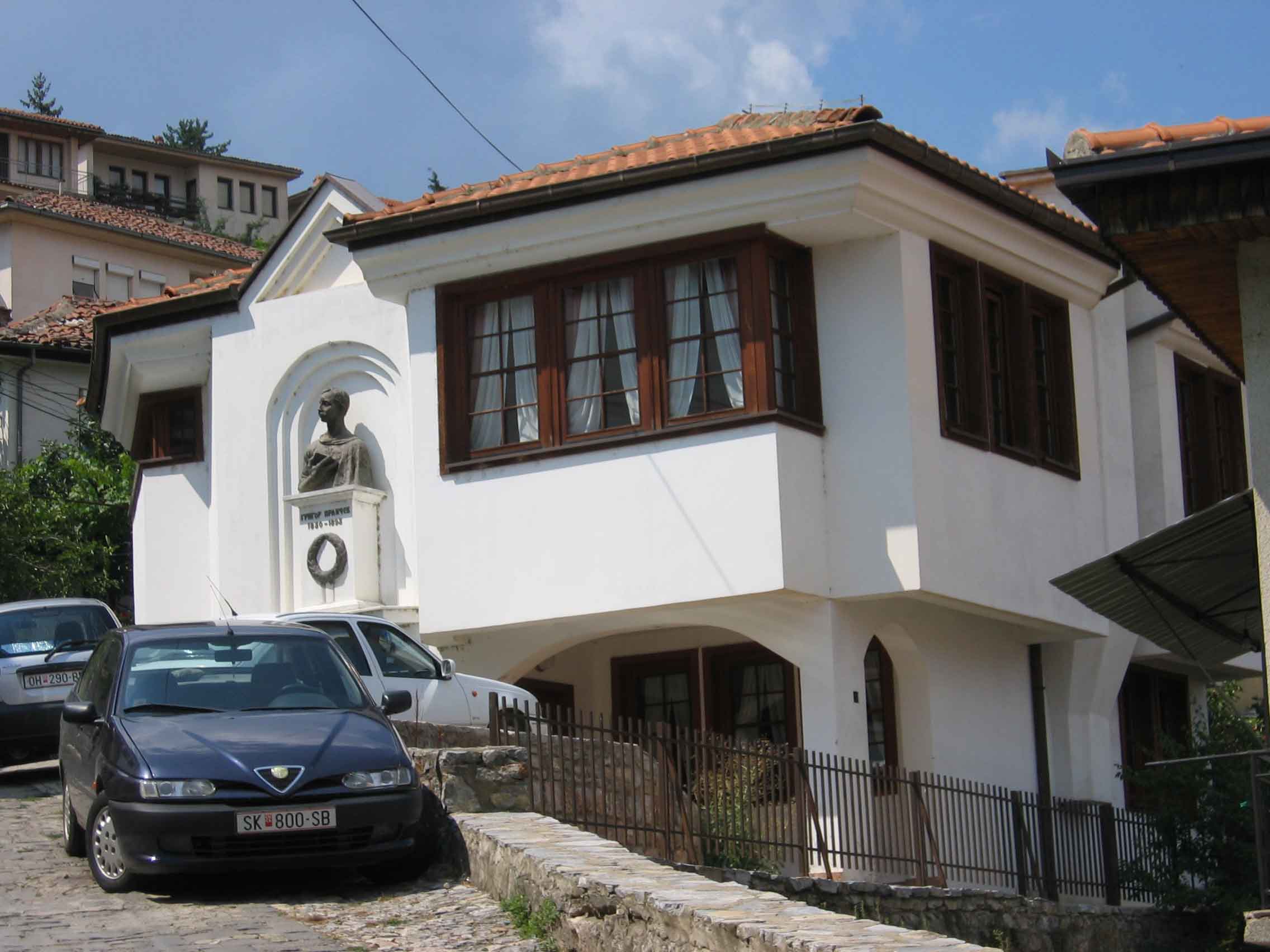
Grigor Prlicev (also spelled Parlichev or Prlichev) was a poet, who was born in Ohrid on 18/01/1830 and died in Ohrid on 25/01/1893. He is famous for his poem “Sirdar” (military leader). In this poem, he writes about the difficult position of the Macedonians, taking as a basic motive the Macedonian folk song about Kuzman Kapidan. Kuzman Kapidan was a famous hero and protector of Christian people. Grigor Prlicev also wrote a poem with the title “Skenderbeg”, a prominent historical figure in the history of Albania.
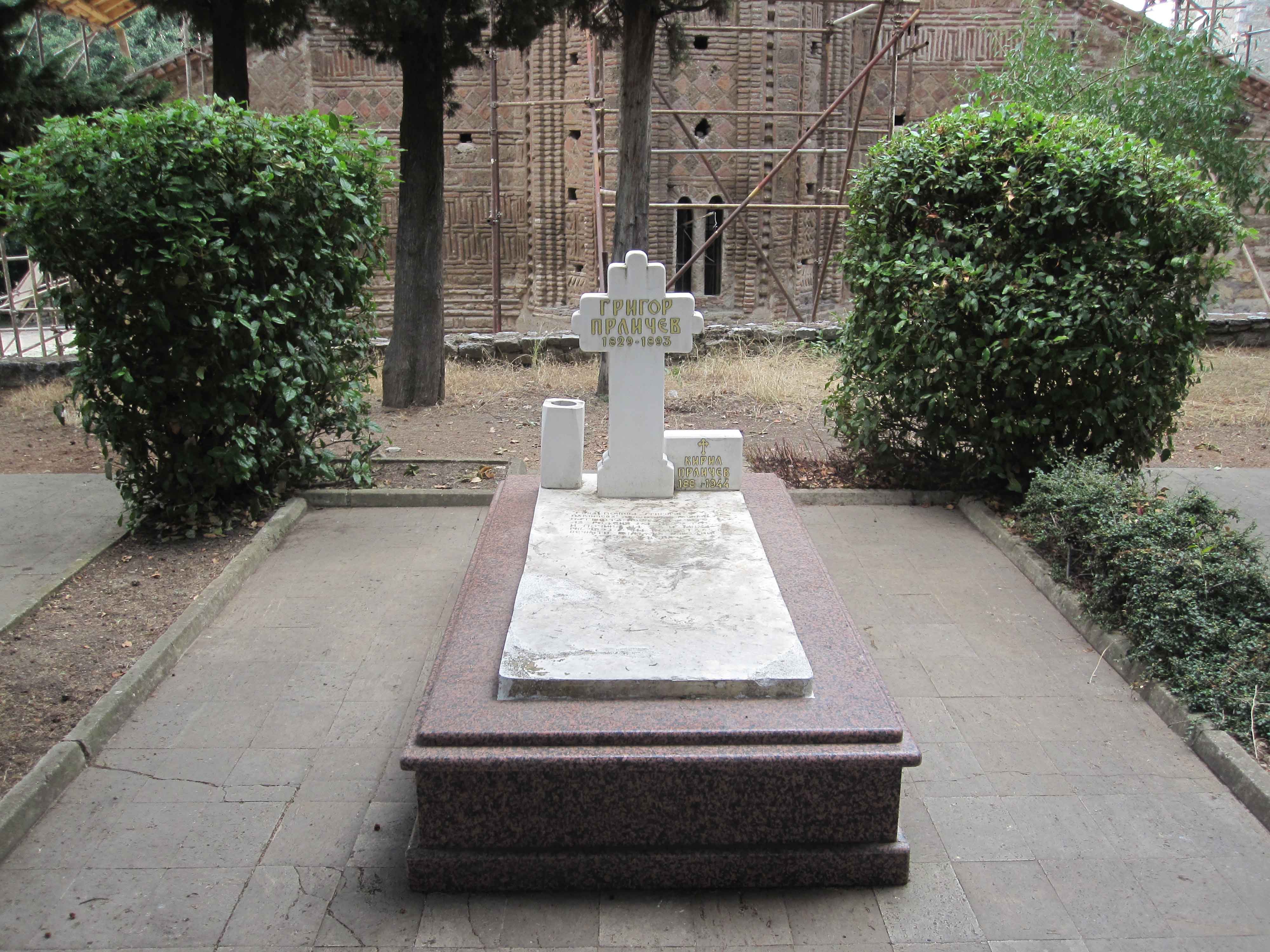
As far as I know, the memorial house of Grigor Prlicev can not be visited, or maybe only on his birthday or day of death. The house is located on the street named after him. The grave of Grigor Prlicev can be found behind the Church of St Bogorodica Perivleptos and the Icon Gallery.
Monument for the Dutch writer Den Doolaard

A den Doolaard is the pseudonym of the Dutch writer Cornelis Johannes George (Bob) Spoelstra jr (1901-1994).One of his books, The Wedding of the Seven Gypsies (De Bruiloft der Zeven Zigeuners), written in 1939, resulted in an extraordinary interest of the Dutch people in Ohrid, resulting in 50,000 Dutch tourists a year. The Wedding of the Seven Gypsies is a love story which takes place in Ohrid and is a must-read for Dutch people when they visit Ohrid (since the book is in Dutch). It is really great to read this book while you are in Ohrid and see the same places where Branko and Doesjka fell in love. The story in the book “Orient Express” (1934) by Den Doolaard is also a nice read located in Macedonia. The monument was revealed in 2006. It can be found along Quay Marsal Tito, close to the south end of the quay.
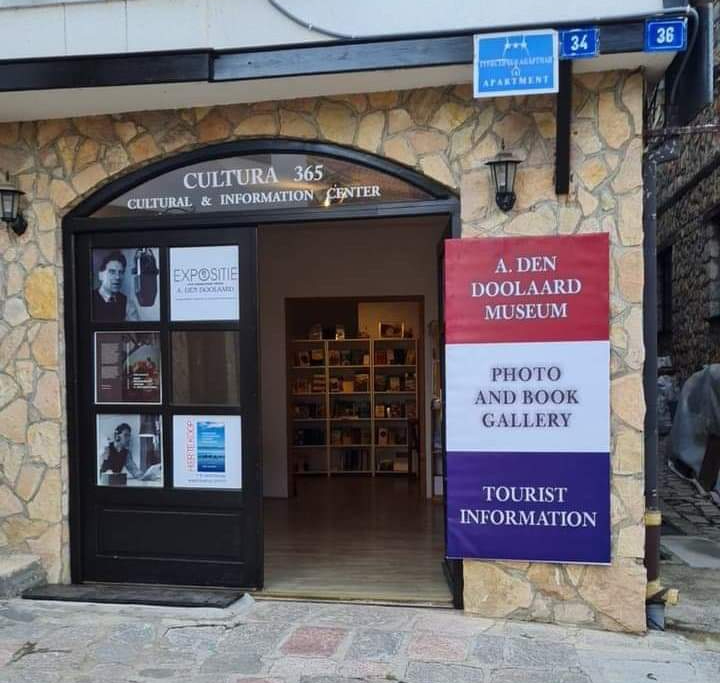
The cultural center Cultura 365 was founded in 2011 by Misho Yuzmeski, who unfortunately passed away in 2021. His cousin Krste Purcov continues his work. The small center contains a memorial room for the Dutch writer A. den Doolaard with many of his books. You can buy an interesting small book at the museum about A. den Doolaard, named “Our Dutch friend A. Den Dolaard” written by Misho Yuzmeski. Krste can organize day trips and speaks English, Serbian, Italian and Macedonian. As a Dutch person who loves Macedonia, and having read Den Dolaard’s books, I really enjoyed the initiative for the small museum in Cultura 365! Address: Car Samoil Street 34, Ohrid. Contact: purcify@gmail.com. Phone: +38977705696
Workshop for hand-made paper
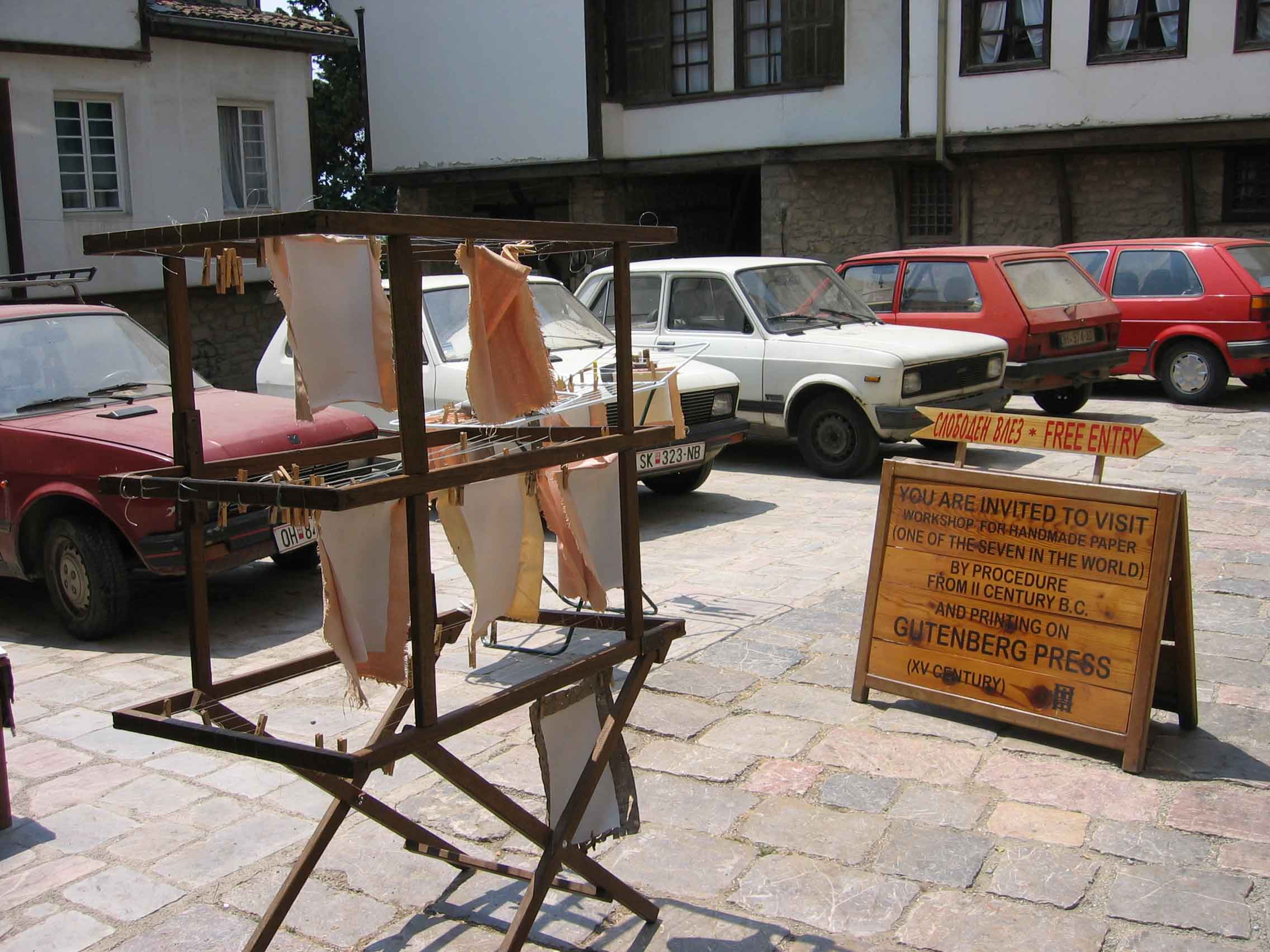
On the way from the lake to Tsar Samoil’s fortress, youfind this little shop whe re they make handmade paper. The shop is hard to miss, since it is likely that the handmade paper is drying on racks outside. The people here are very friendly and will undoubtedly give you a free demonstration.For those truly interested in the subject: They use an original Gutenberg press. Address: Samoilova 60
Statue of St Kiril and Metodi
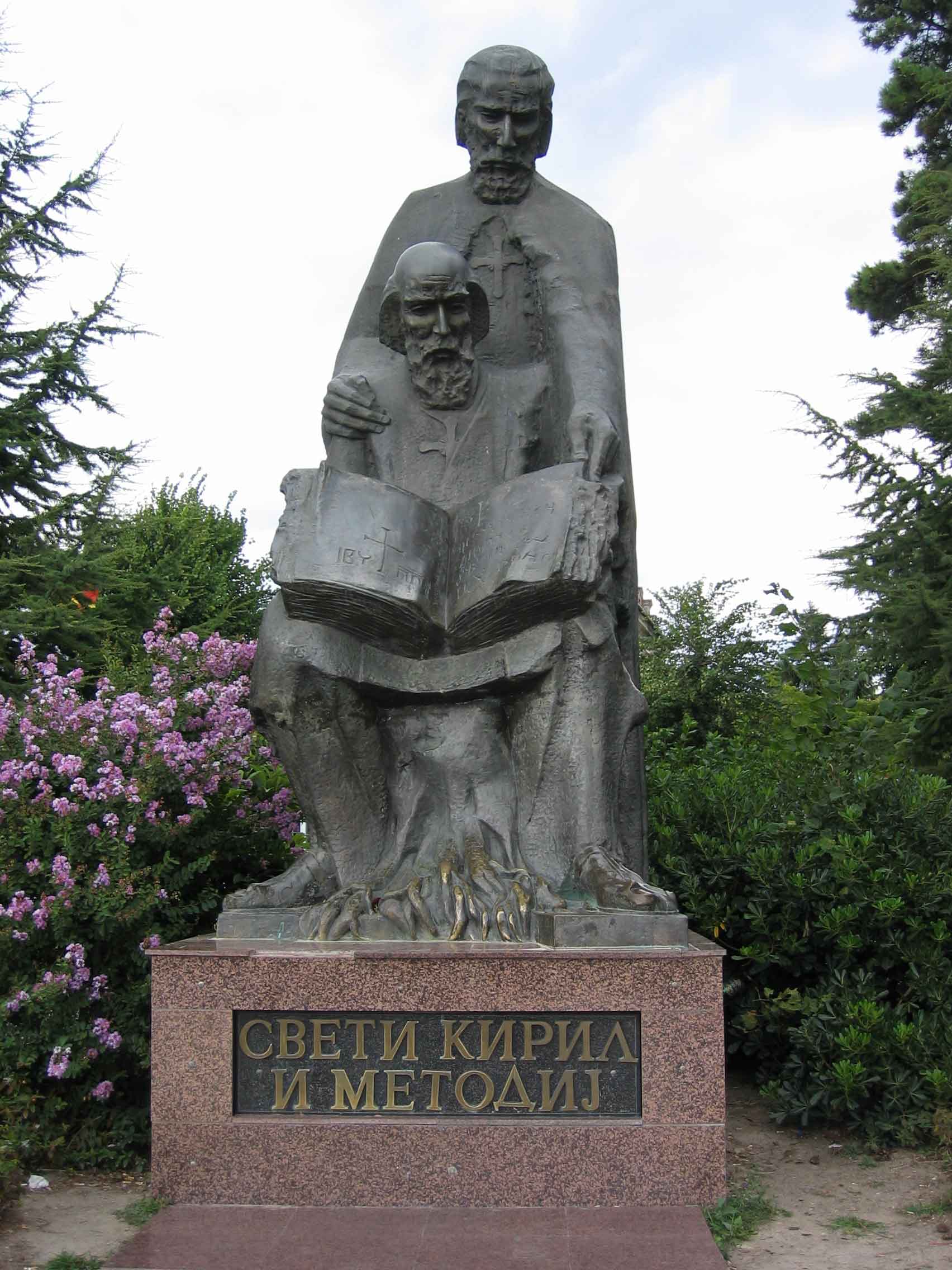
The statue of Saints Kiril and Metodi (Cyril and Methodius, 9th century AD) close to the center and harbor of Ohrid. They were teachers of the Glagolitic script, and considered fathers of the Slav literature culture. The Cyrillic script was named after Cyril.
Statues of St Clement
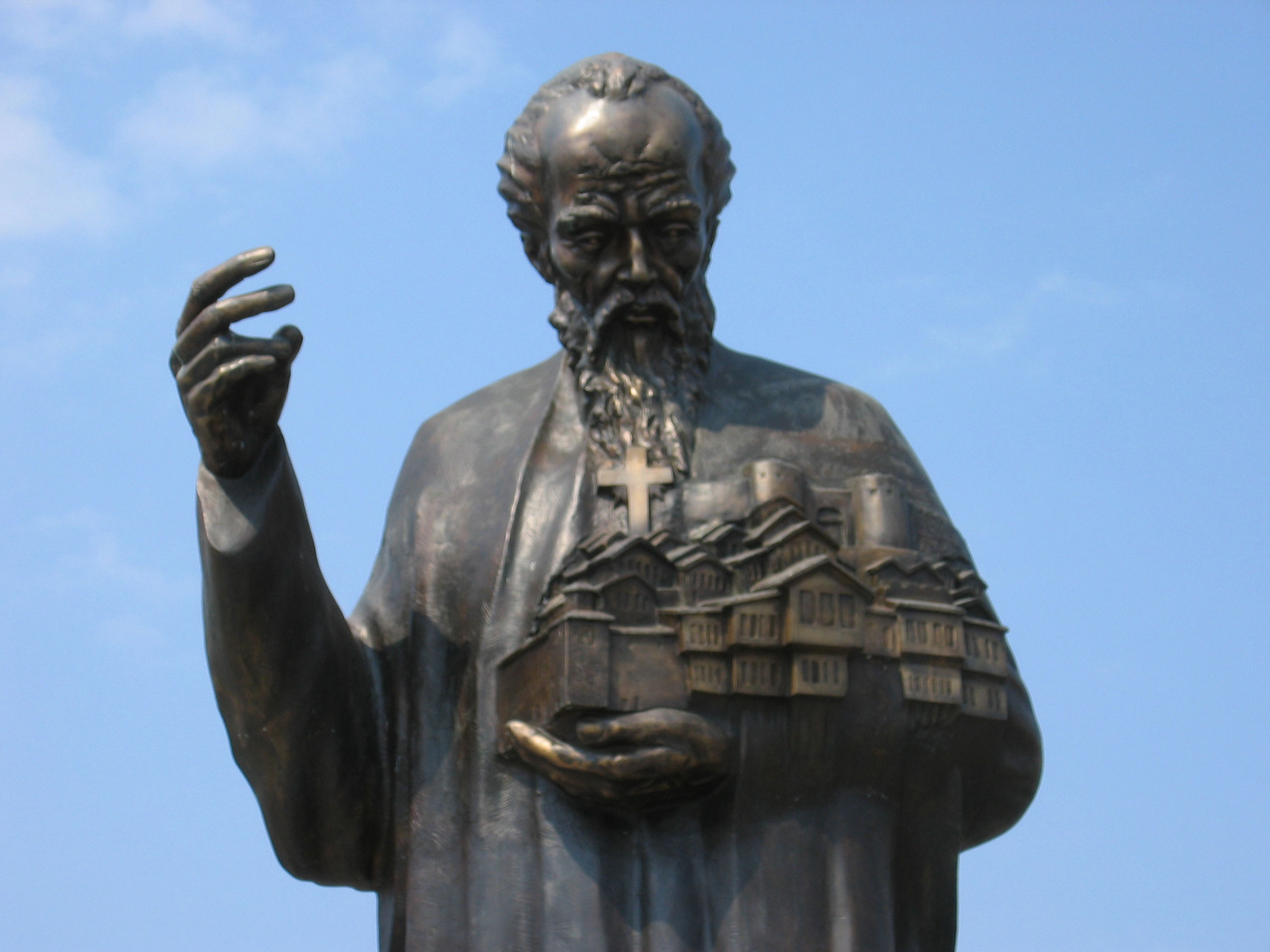
Close to the statue of Kiril and Metodi above, there is a statue of St Clement (840-916). Clement and Naum (835-910) were native Macedonians. Both had been disciples of the brothers Kiril and Metodi, the inventors of the Glagolitic and Cyrillic scripts. Clement founded the Monastery of St Clement in Ohrid, and invited his former fellow disciple Naum to help him teach the scriptures. Many pupils passed through the monastery and the numbers became so demanding that Naum set up the Monastery of St Naum in 900, at the other (south) end of Lake Ohrid. Clement holds the city of Ohrid in his arms to indicate he is the town’s patron.
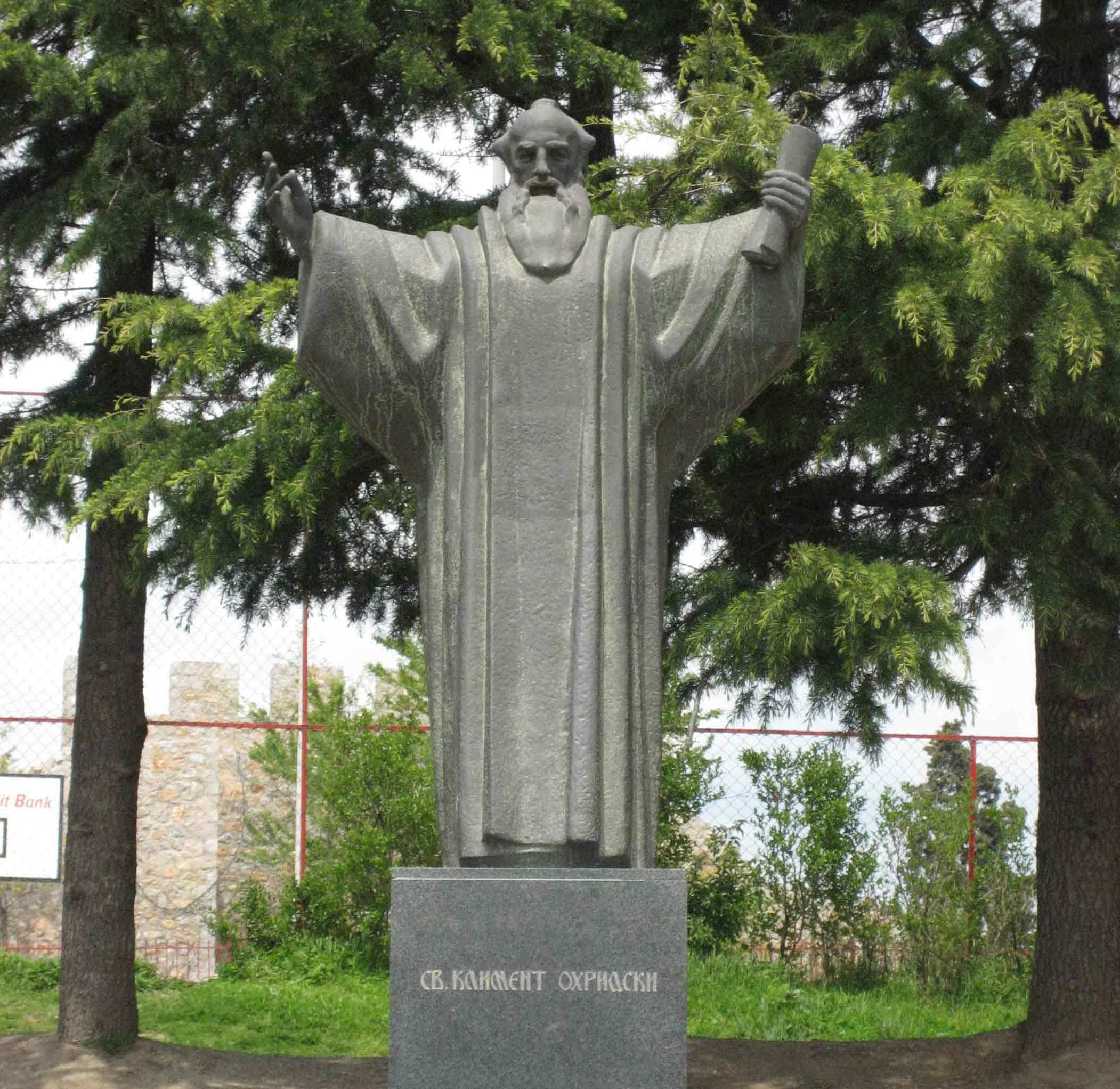
Another statue of St Clement is located close to the Church of Bogorodica Perivleptos, and on top of the hill of Ohrid, located to the right when you are facing the Upper Gate from inside the Town Wall of Ohrid.
Statue of St Naum
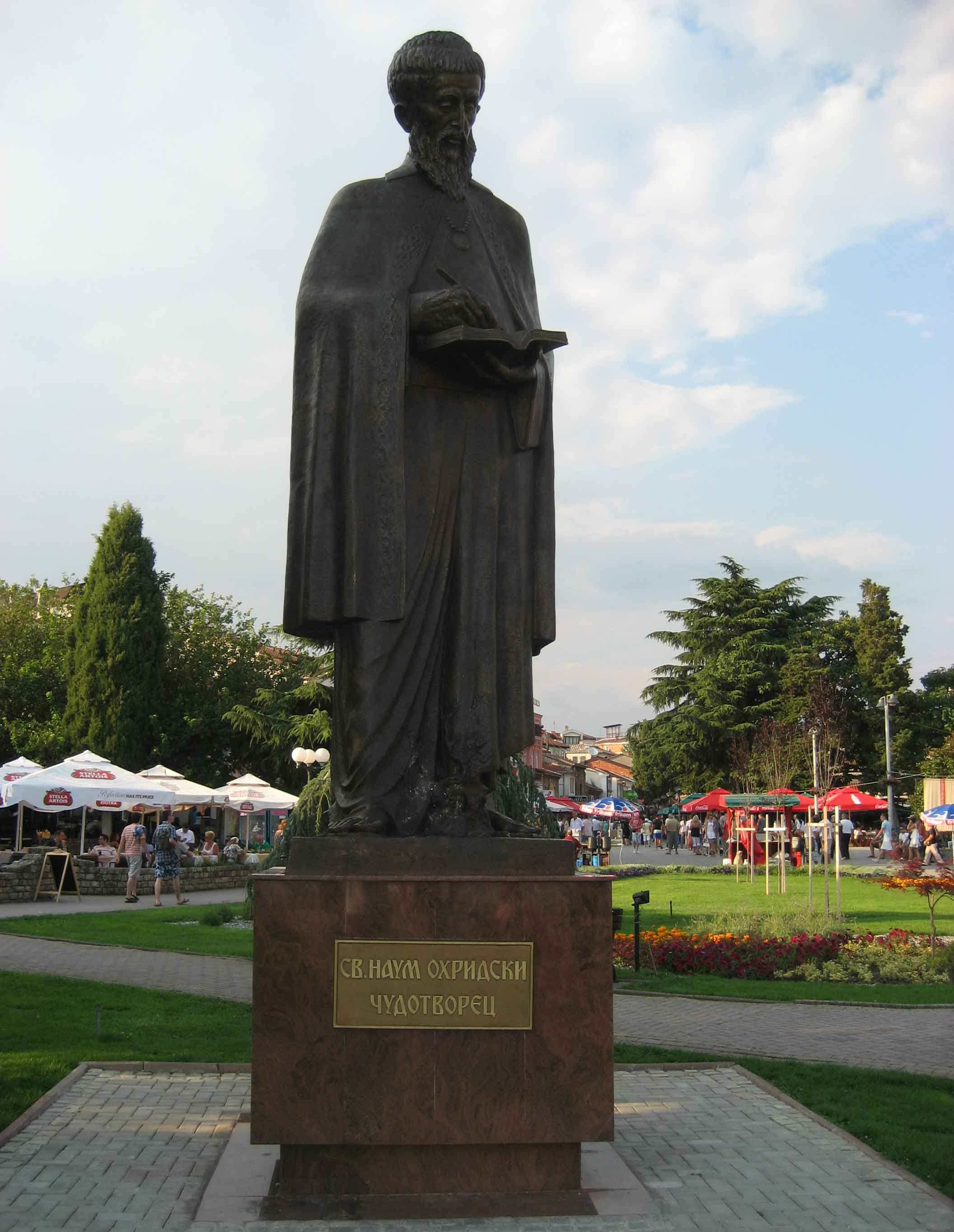
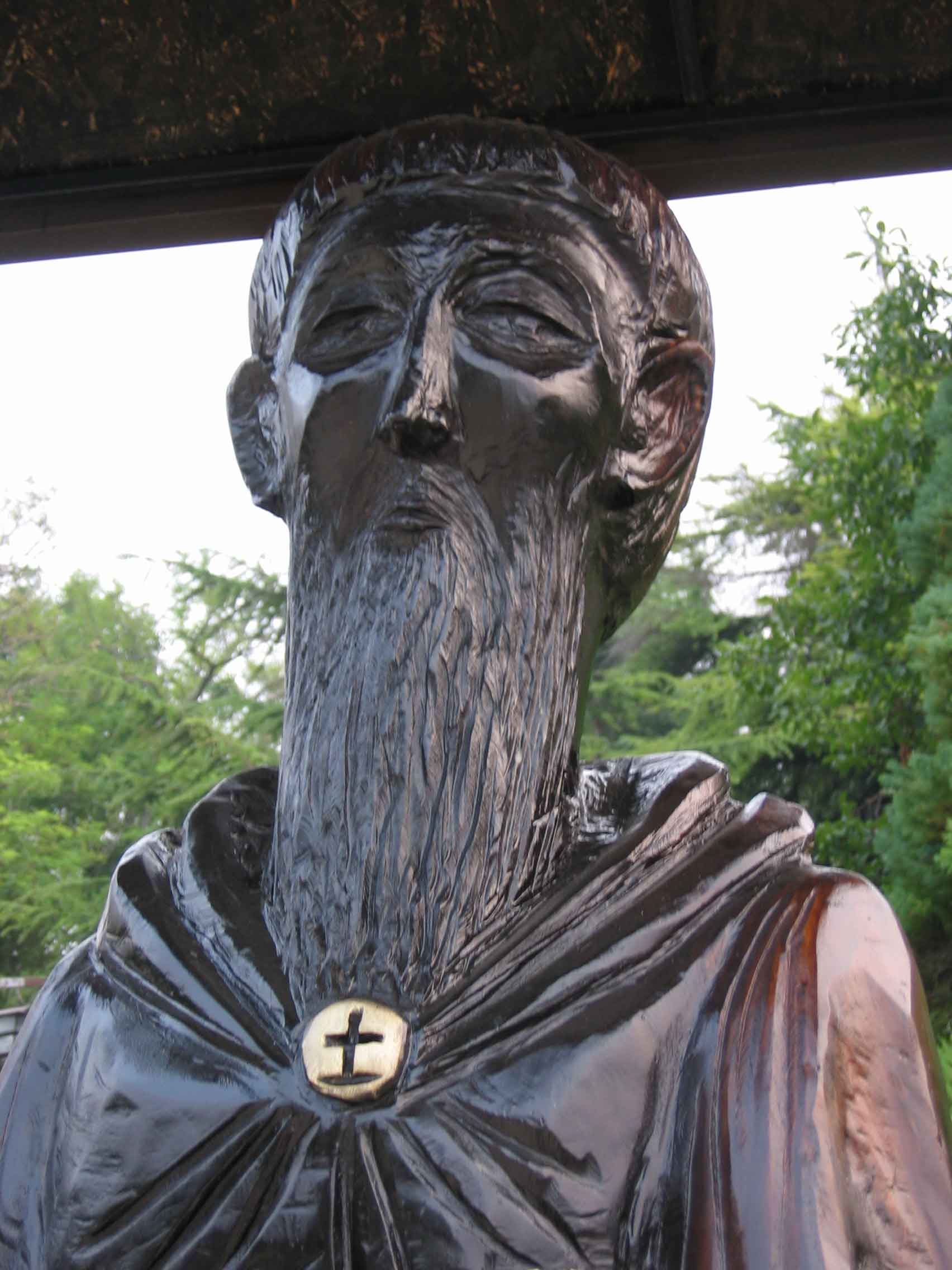
This statue of St Naum can be found on the square next to the harbor in Ohrid and close to the statues of St Kiril and Methodi and St Clement. St Naum lived from 830-910 and was a writer and teacher. He built the famous Monastery of St Naum on the other side of Lake Ohrid. At this monastery there’s another statue of St Naum, made from wood using a chainsaw.
 My Macedonia Blog