
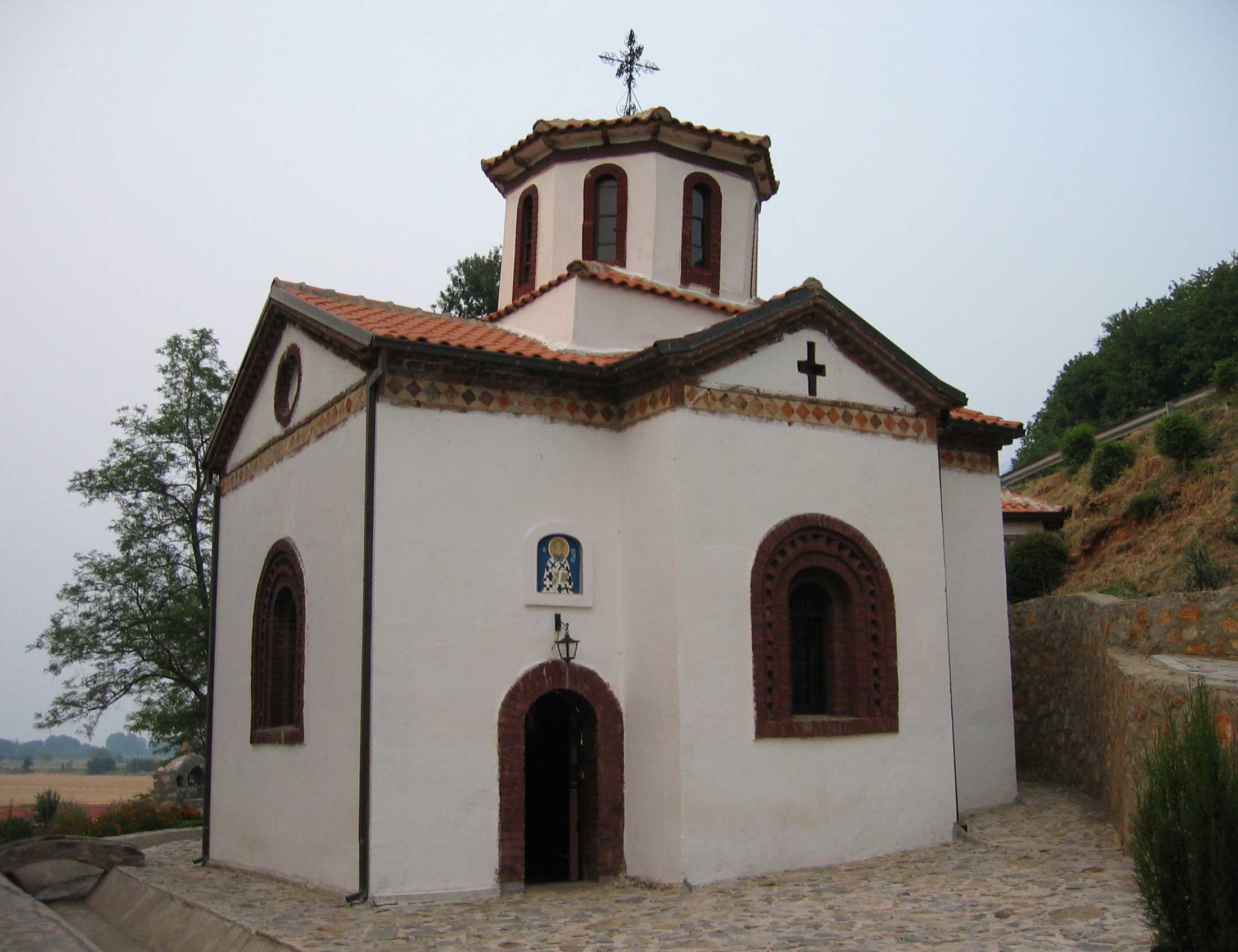
On the south-east side of Lake Ohrid, past the village Lubanishta and close to the border with Albania, you will find the Monastery of St Naum. It is a really stunning site, on a cliff high above the lake. Saints Clement (840-916) and Naum (835-910) were native Macedonians. Both had been disciples of the brothers Kiril and Metodi, the inventors of the Glagolitic and Cyrillic scripts. Clement founded the Monastery of St Clement in Ohrid, and invited his former fellow disciple Naum to help him teach the scriptures. Many pupils passed through the monastery and the numbers became so demanding that Naum set up the Monastery of St Naum in 900, at the other end of Lake Ohrid. In 1799 the tiny chapel over St Naums underground tomb was built. If you listen very well above the tomb, they say that you still can hear the heartbeat of St Naum. Touching the stone above the tomb should make a wish come true.
To enter the church of St Naum you pay an admission fee. Entrance to the rest of the complex is free. You can spend the night in the hotel next to the monastery: http://www.hotel-stnaum.com.mk/.
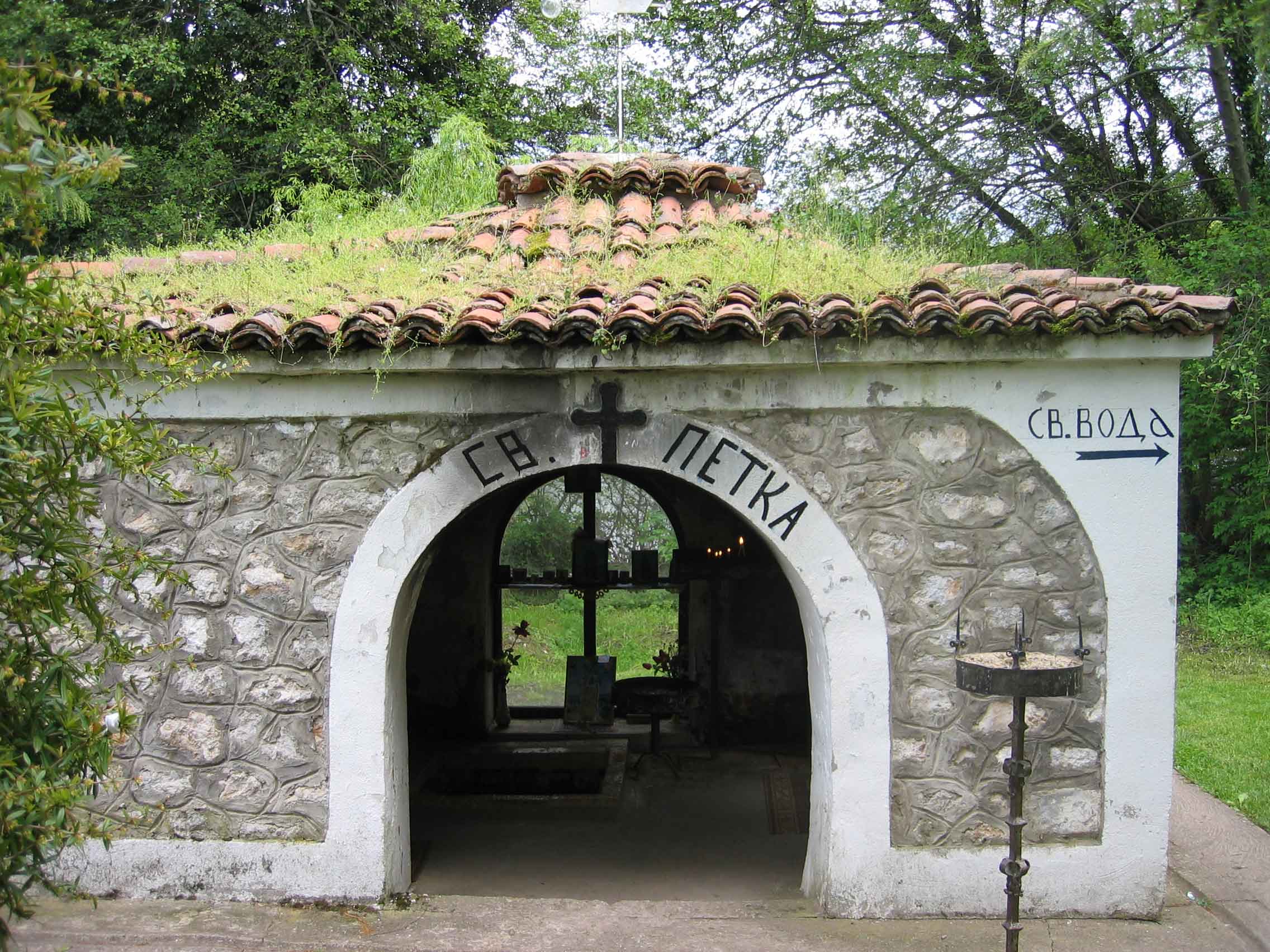
Below the Monastery of St Naum is a small chapel called St Petka. Just follow the road to your left at the steep entrance to St Naum, before the hotel. There is a spring at the back of the chapel, allegedly with powerful holy healing water. Locals come here to fill up plastic bottles for later use. Take a sip or two!
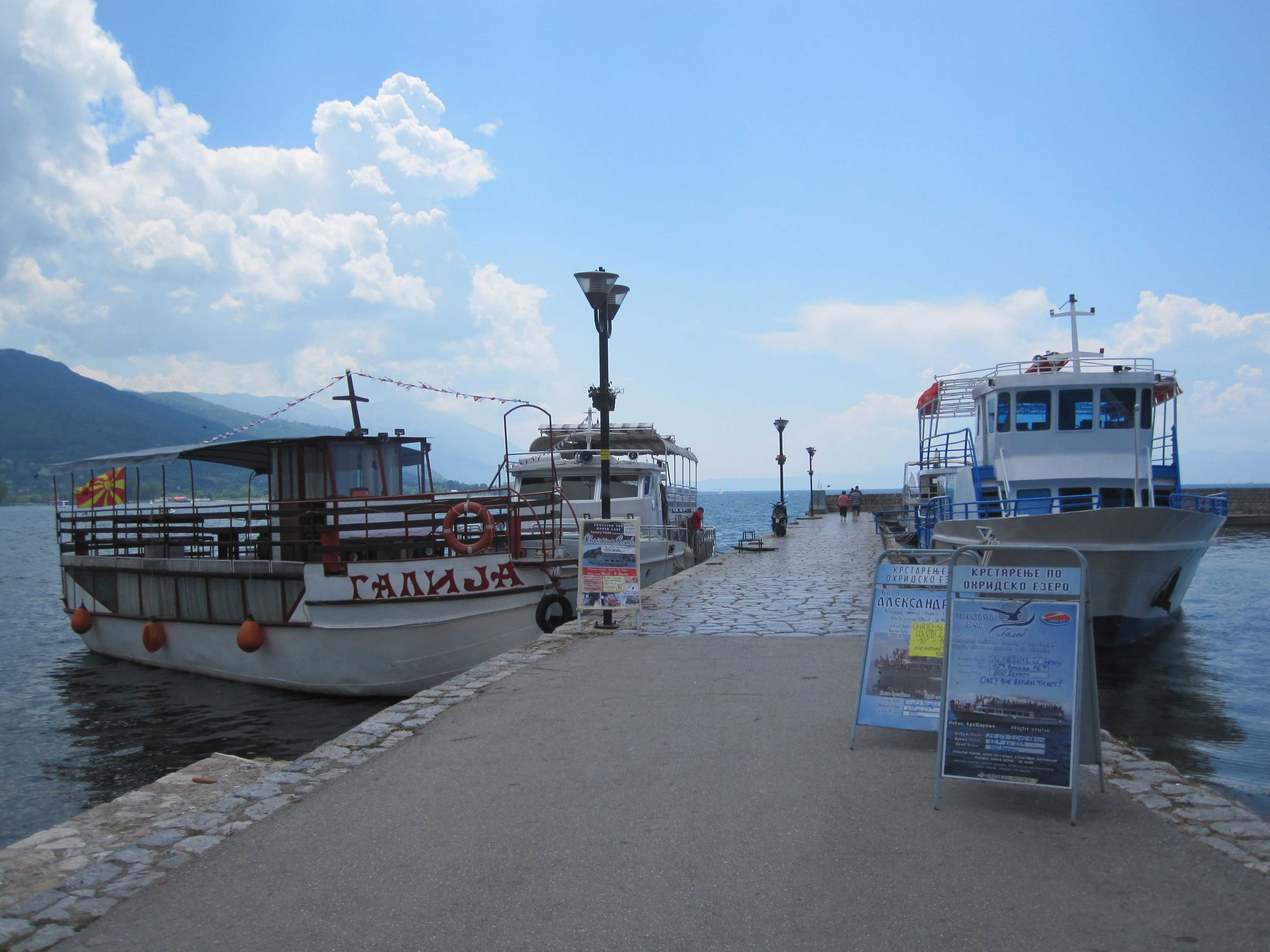
St Naum can be reached by boat or road from Ohrid. In the summer, boats leave around 10.00-11.00 h from the small harbor in Ohrid and returns around 15.00-1600 h, check at the harbor for the exact times. In 2023 the price was 900 denar/15 euro including a stop at the Bay of the Bones museum. Some other companies offer more stops and prices up to 25 euros . The direct boat trip takes about 1 hour. If you go by car to St Naum, you might be able to get somebody to take you by boat to St Naum from the parking place. It is very nice to approach St Naum from the water, as it is located on the cliffs above the lake. There are also buses going from Ohrid.
Some people find the Monastery of St Naum a bit disappointing, considering the fact that it takes quite some effort to get there from Ohrid. However, you can combine a visit to the Monastery of St Naum with several other activities, such as visiting the springs, a drive through Galicica National park with amazing views of the lake, the Bay of the Bones Museum, hiking opportunities, several cave churches and caves, Church of St Spas or the sandy beach of the Sveti Naum campsite near the village Lubanishta. You have to pay an entrance fee for your car to enter the campsite. More info below!
Springs that feed Lake Ohrid
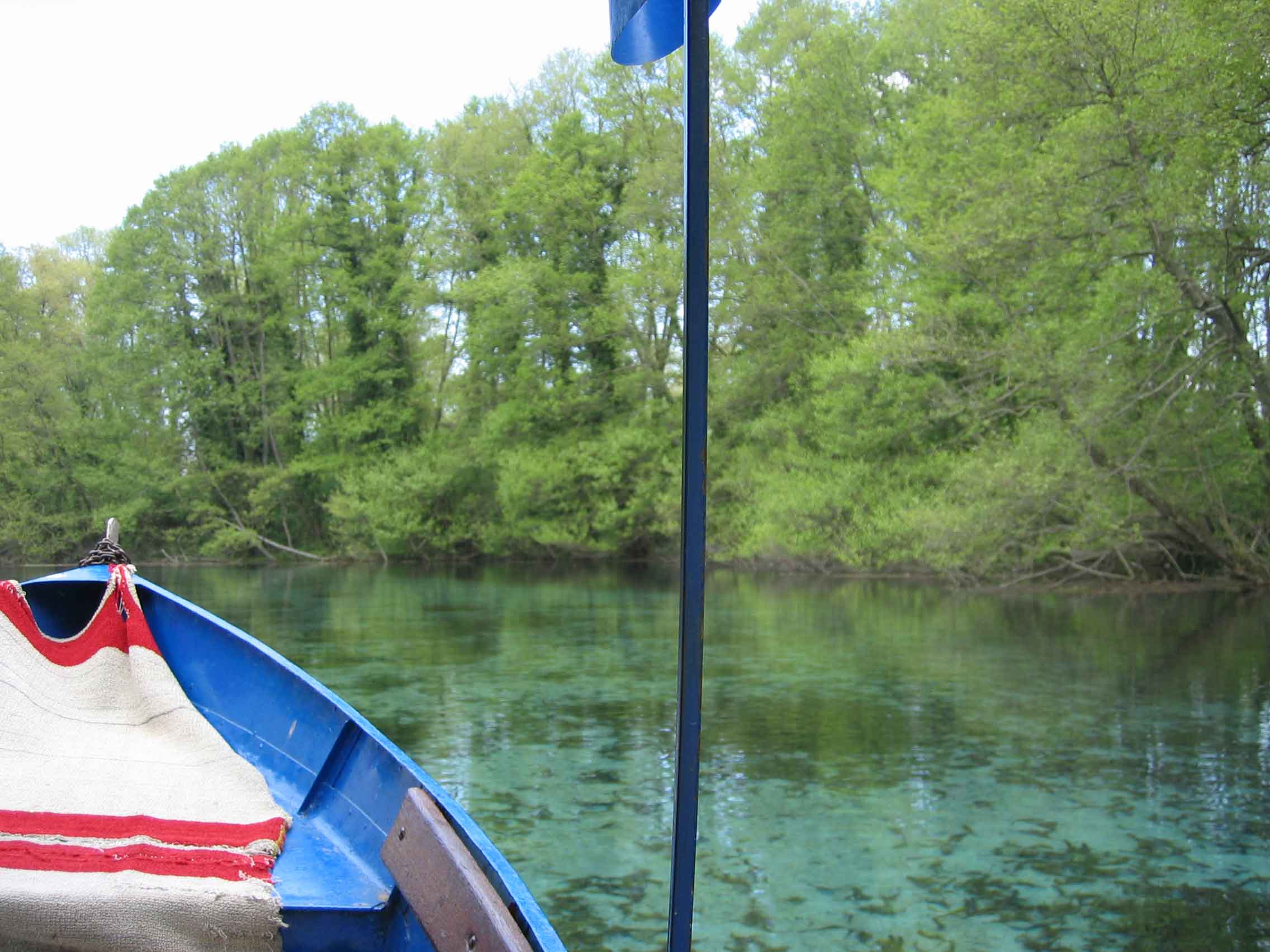
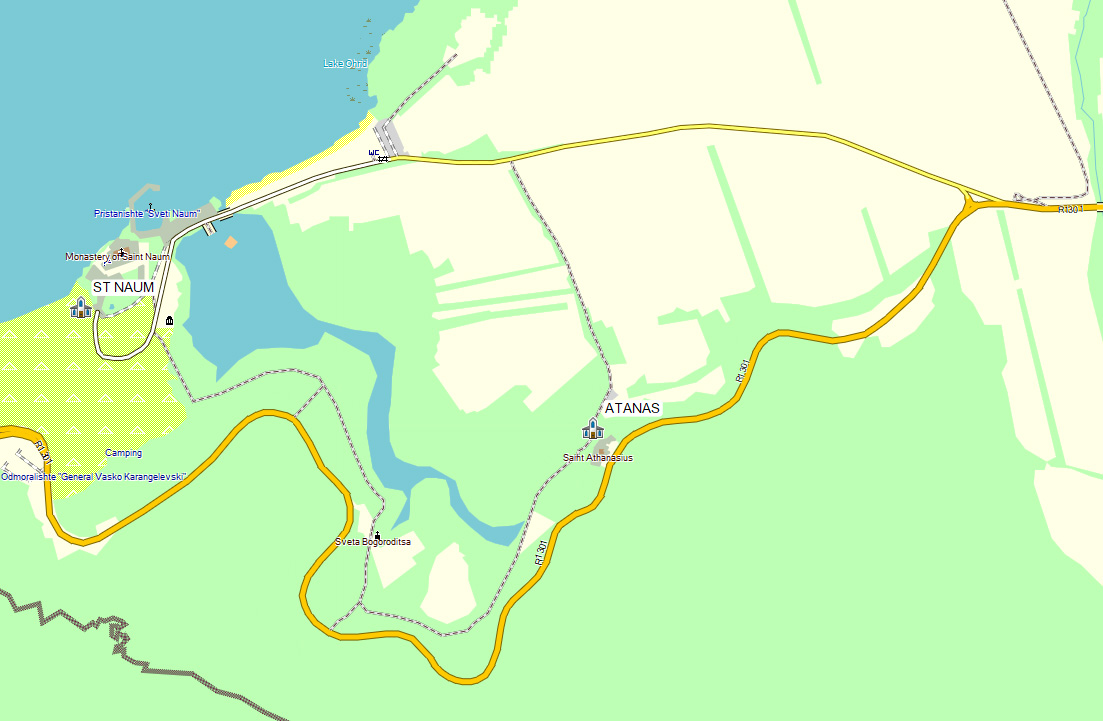
At the Monastery of St Naum you can take a guided trip by rowing boat to the springs that supply Lake Ohrid with water from Lake Prespa, which lies higher on the other site of Galicica National Park. The water is very clear and cold. There are 45 springs that bubble from the bottom of the stream bed. They used to charge 100 Denars per person, about 1.60 euros. However, there also is a free alternative: If you are at the parking place of St Naum, and you take the road back to the north, there is a small asphalt road that takes you to the church of St Atanas, indicated with a sign. Follow this road past St Atanas, until the road ends, see the dotted line on the map below.
Here you will also find some springs! I would still recommend to do the boat tour as well, as the scenery is beautiful and you also see e.g. springs that bubble through the sand into the water, quite spectacular! After you have seen the water flow into Lake Ohrid, it is a must to see it flow out of the lake again into the river Crni Drim at the town Struga.
Monastery of St Zaum
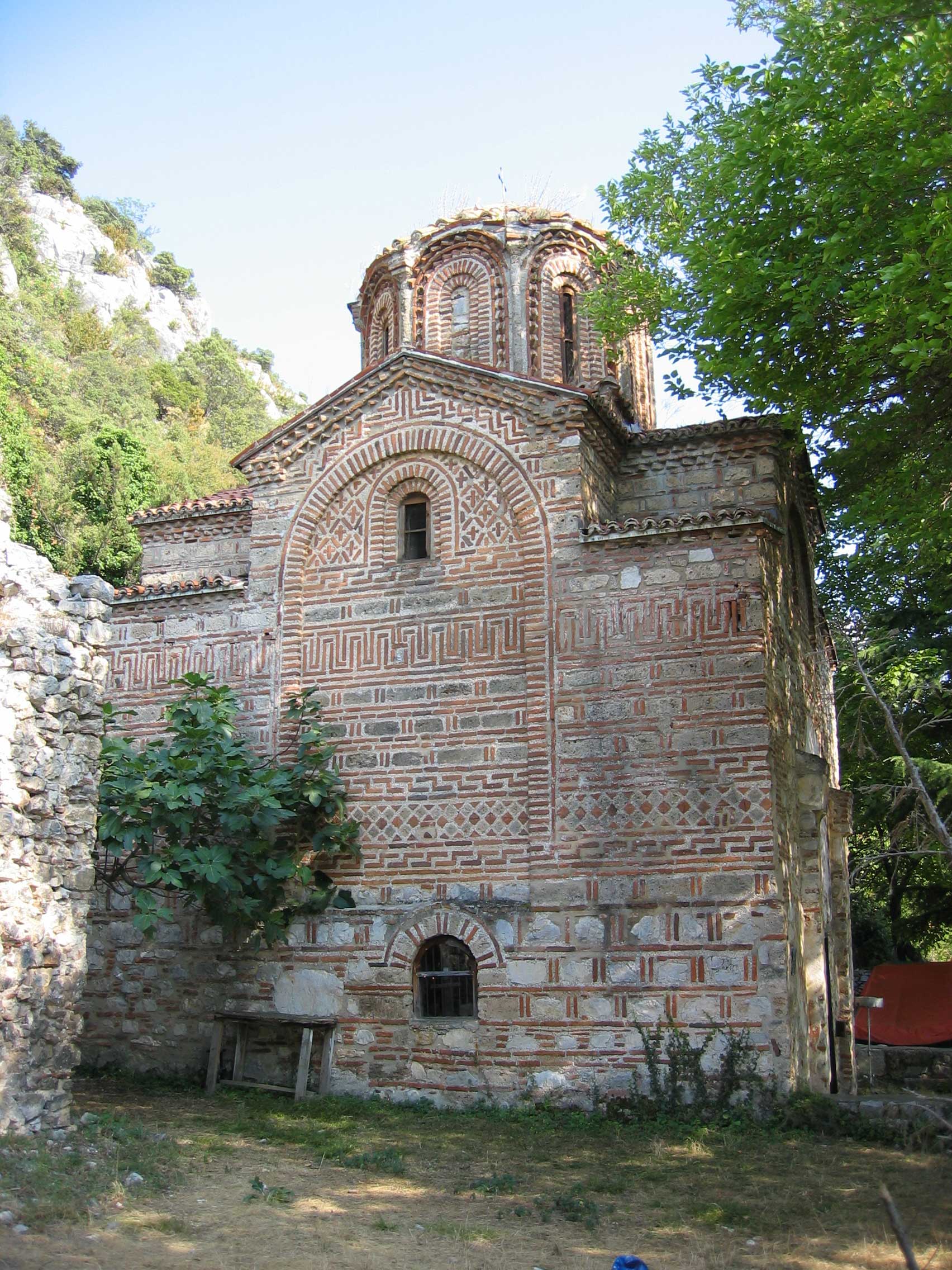
Everybody will tell you that the small church of St Bogorodica Zahumska (“St Zaum” for friends) cannot be reached over land. The church is located directly at Lake Ohrid, surrounded by high cliffs. However, in 2019 we discovered that there is a path from Trpejca to St Zaum. You can also take a taxi-boat from e.g. the fisherman’s village Trpejca. The monastery was build and fresco-painted in 1361. In 1898 the St Zaum monastery was demolished, and later reconstructed. The frescoes are highly damaged. In the summer you can enjoy the small beach at St Zaum. You can arrange with a taxi-boat to be taken there and be picked up later. Entrance to the church is 100 denar. Location: N40° 56′ 56.4″ E20° 46′ 28.8″
Chapel of St George and viewpoints over Lake Ohrid
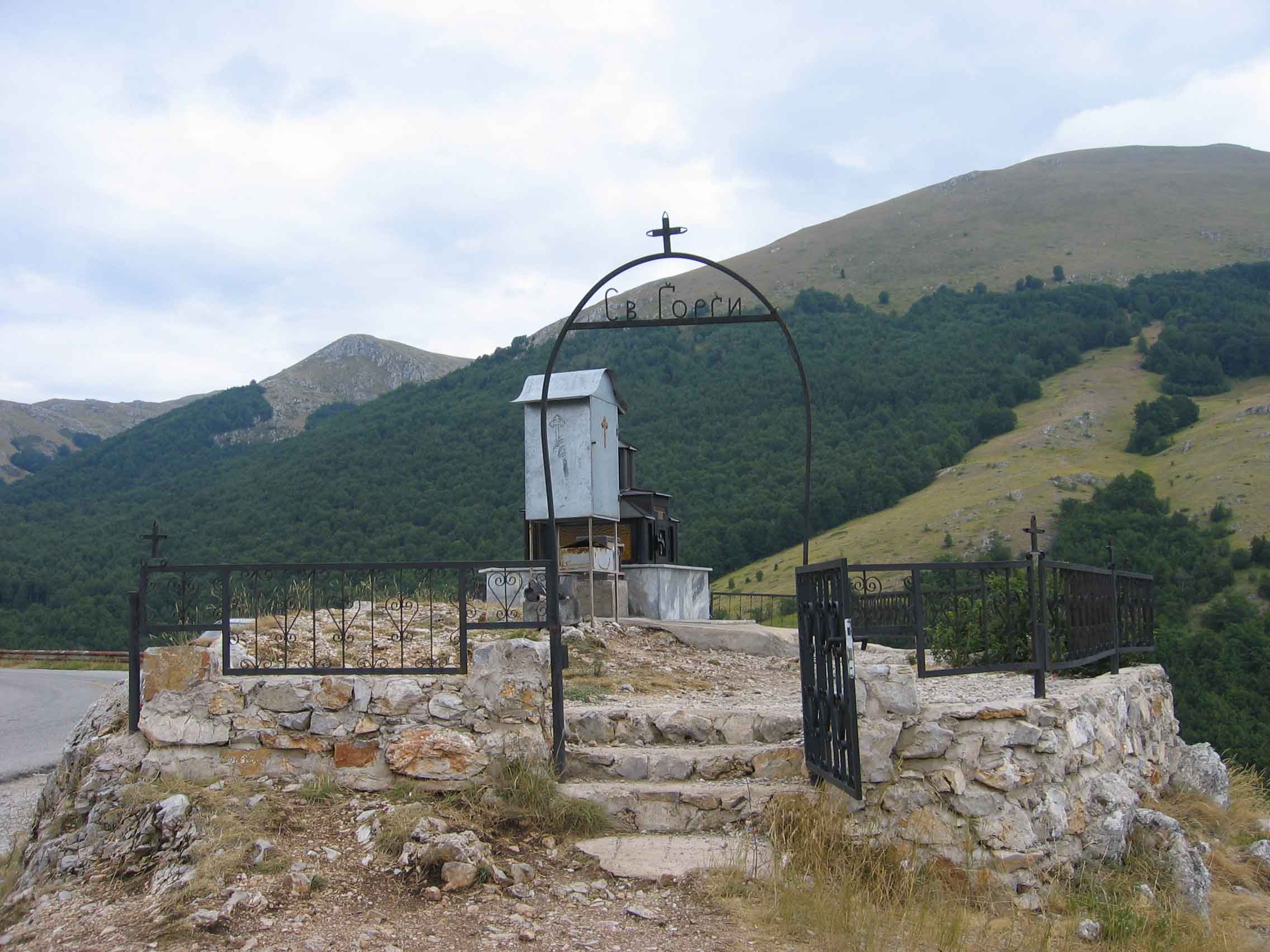
The little chapel dedicated to St Gorgi (St George) is located on the highest point of the road from Lake Ohrid to Lake Prepa through Galicica National Park. The chapel itself may not be very impressing, the location gives you a great view of Lake Ohrid. Take the road through the National Park just after the village Trpejca when you’re driving from Ohrid to the south. In the summer, there may be a toll booth and you’ll have to pay to enter the park. Location: N40° 57′ 14.7″ E20° 48′ 45.6″.
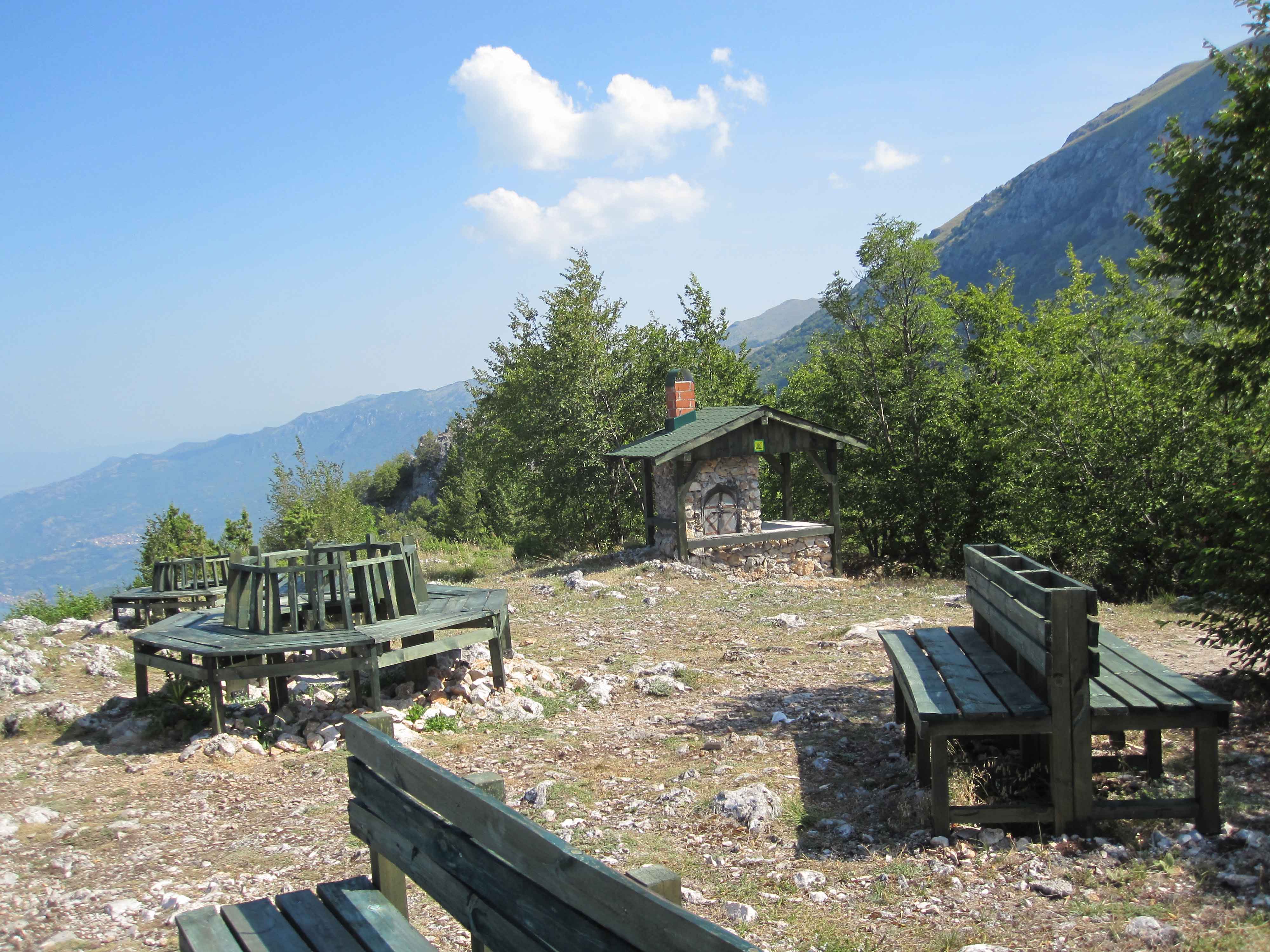
About 5 km uphill, you can see a sign for the Church of St Spas, which is about 40 minutes walking. Before you reach the Chapel, you pass the Picnic Area Korita and the panorama point Koritski Rid. The views from Koritski Rid will not be as good as from the Chapel of St George at highest point of this road!
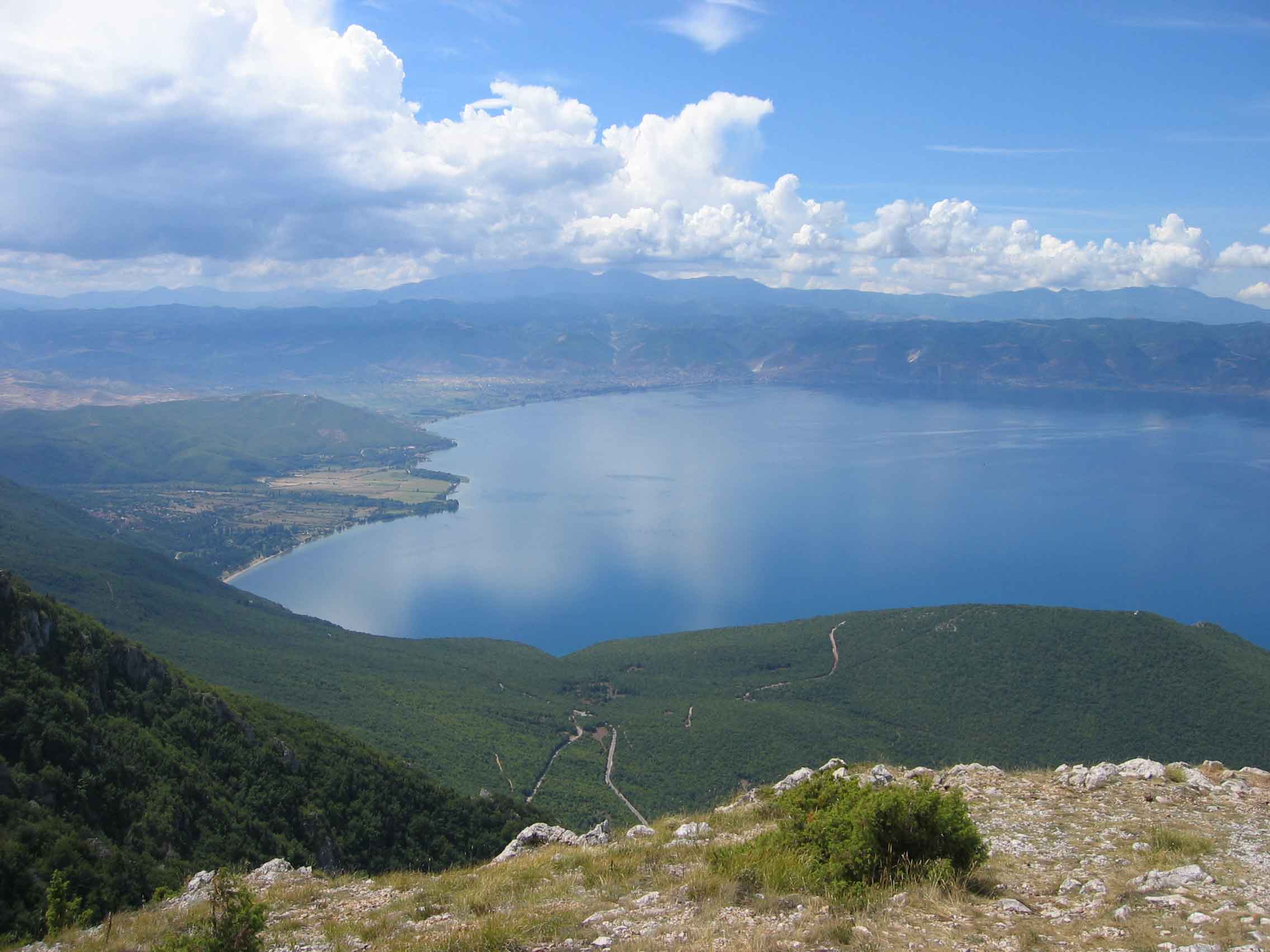
Near the chapel of St George, you have the possibility to do several hikes, such as the hike to Peak Magaro, Peak Lako Signoj, or hike all the way back to Ohrid over the ridge or through the valley of Galicica National Park. If you’re willing to do some uphill walking, there are several places where you can see Lake Ohrid and Lake Prespa from the same location. Note that in the winter the road from Lake Ohrid to Lake Prespa may be closed. In 2023 the road is closed between 15 November 2023 until 1 April 2024 (see https://www.facebook.com/galicicanp for updates).
Bay of the Bones Museum
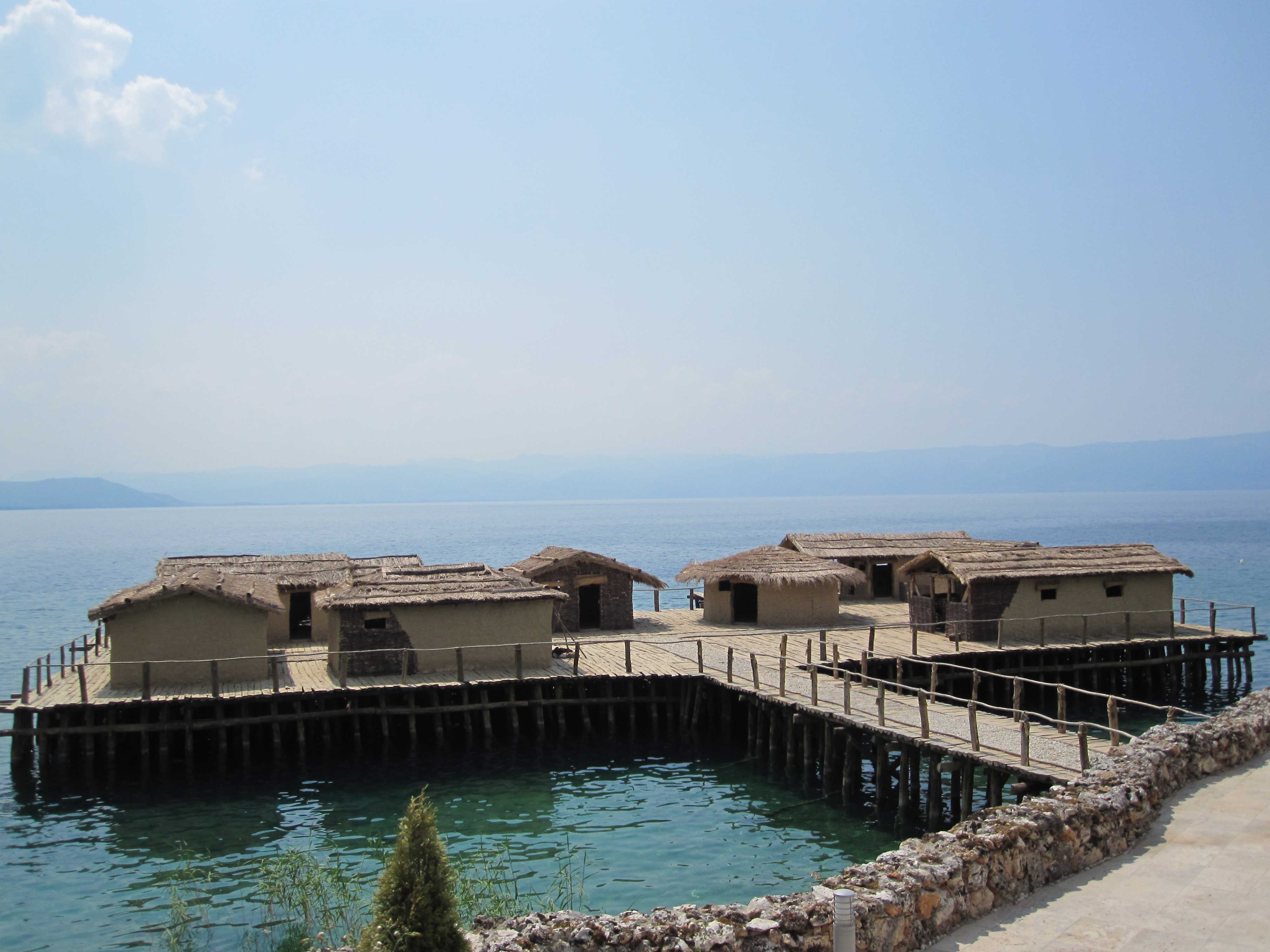
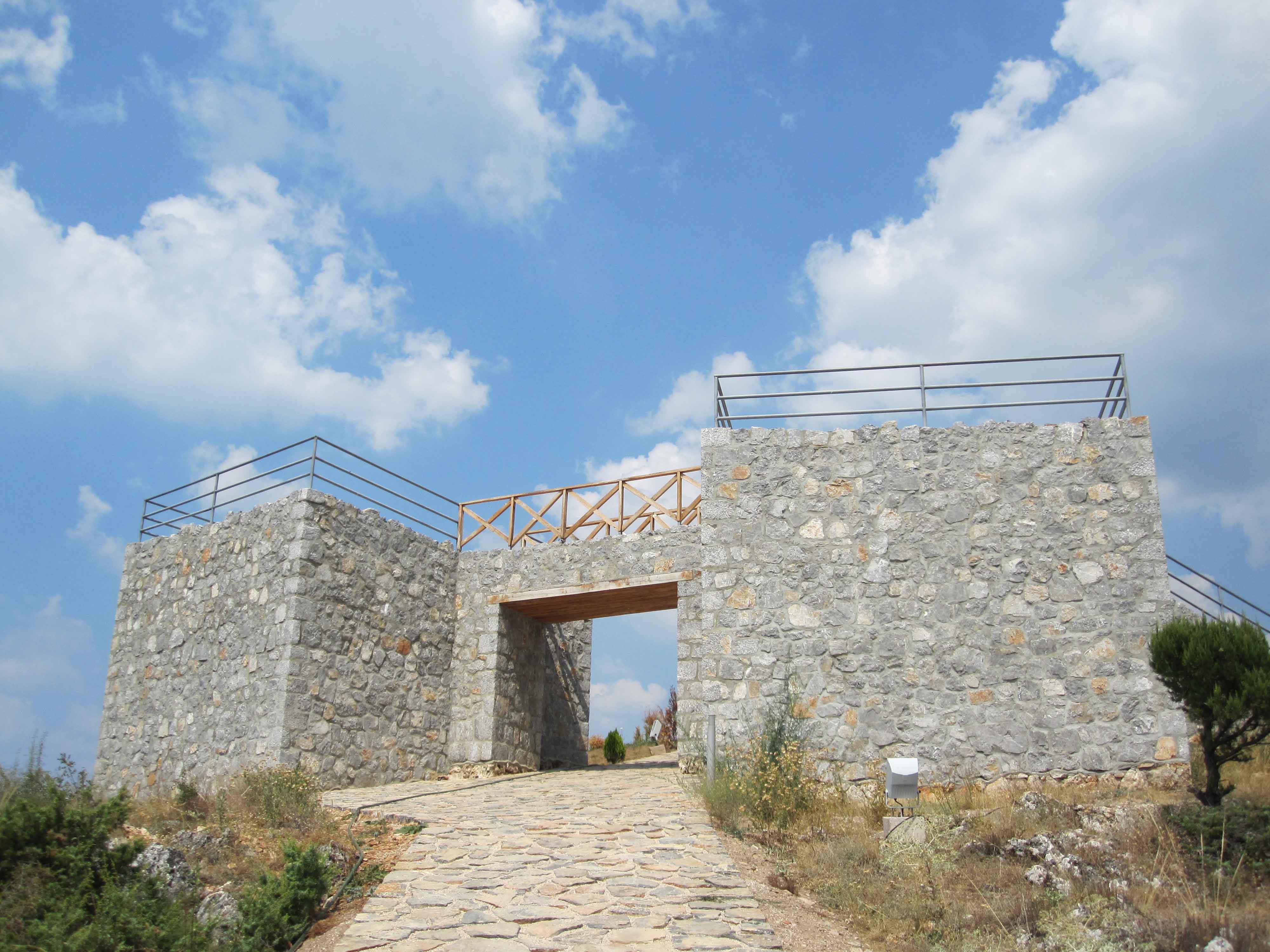
The Bay of the Bones is a small open-air museum outside of Ohrid. Underwater archeological research has shown the presence of prehistoric pile dwelling settlements in Lake Ohrid. Such a city on pillars dating from the Late Bronze and early Iron Age was discovered near the campsite Gradiste. Until now, 6000 remains of wooden pillars have been registered at a depth of 3-5 m. These pillars most probably were the support of a common platform on which about 20 houses were built. Many artifacts like vessels and animal bones were found here as well. A similar settlement is also thought to have existed at the village Nakolec (meaning “on pillars”) at Lake Prespa. Besides a live-scale reconstruction of such a settlement on piles, there is a small museum and the remains of an old Roman fortress which has been partially restored.
Do not buy the small information brochure that the museum sells, it is not very informative, badly written, and probably only of interest when you are an archeologist yourself. Open from 09.00-17.15, not on Mondays. Entrance 100 denars (about 1.70 euro) for adults, 30 denars for children and students. Directions: Campsite Gradiste is located between the villages Pestani and Trpejca at the road along the lake from Ohrid to St Naum. The parking for the museum is about 150 m further down the road.
Cave church and Monastery of St Stefan
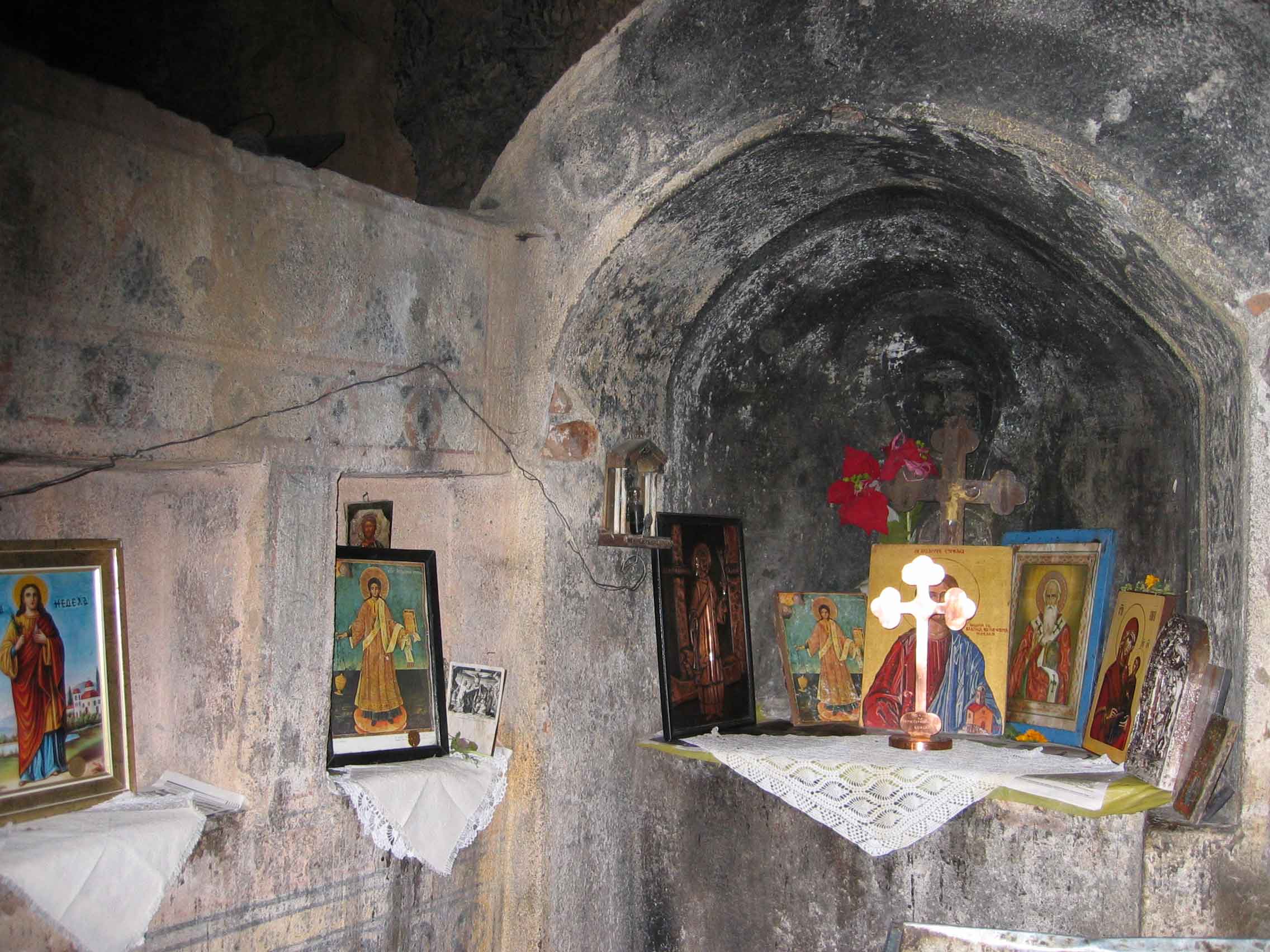
About 4.5 km outside of Ohrid, on the road to St Naum, take the path uphill opposite to Hotel Beton. This steep path will lead you to “St Stefan“. Entrance to the church nowadays is 60 Denar (1 euro). The few remaining frescoes in the church are in bad condition, they are completely black from the smoke of candles. We were always offered coffee during our visits by an old lady called Raina. She unfortunately passed away a couple of years ago, but her task of taking care of the church and its visitors was taken over by a young girl.
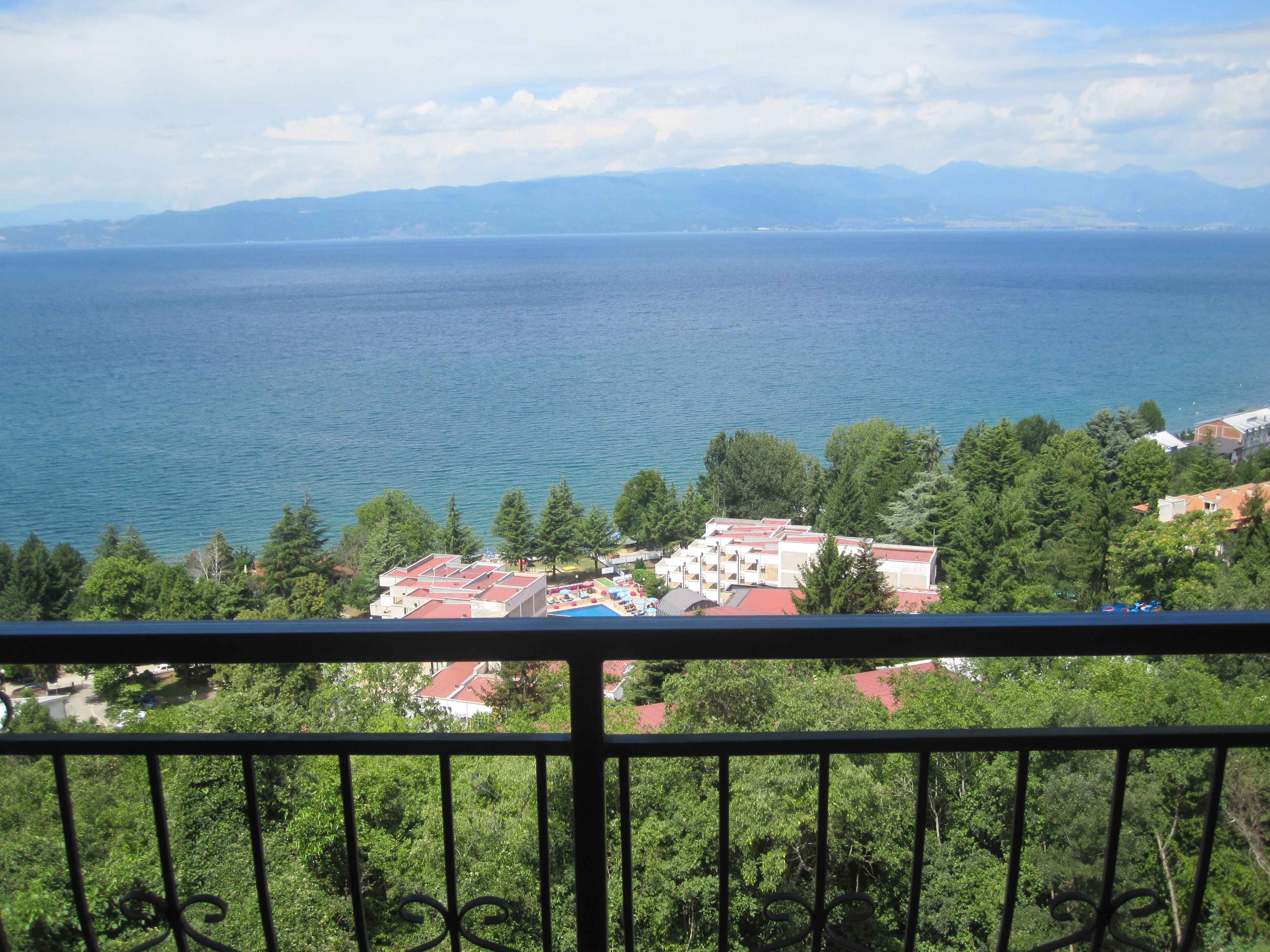
The last time we were there in 2014, construction was ongoing on the site and lodging for visitors was built. The view from the room that we were showed was amazing, overseeing lake Ohrid. The rooms have TV and even WiFi. The price for a room at that time was 400 denar per person (about 7 euro). You can contact Father Sasho for information: +389 (0)78 331 450.
Cave church St Bogorodica near Gradiste
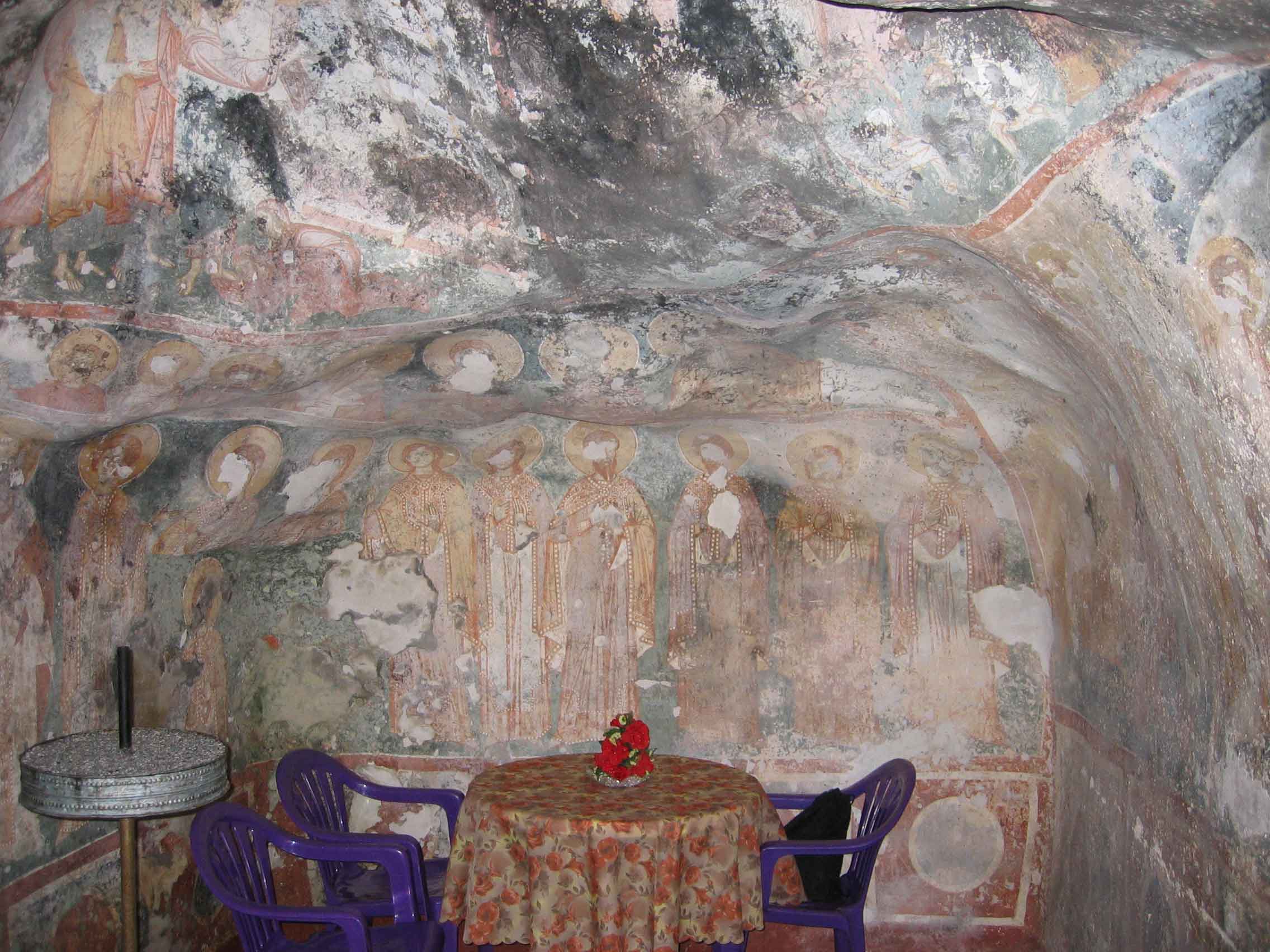
This little cave church is located about 20 km outside of Ohrid on the road to St Naum, after the village Pestani. It is located at the second beach of the campsite Gradiste, Gradiste II. It´s on the right-hand side of the road, and you´ll have to descent via a steep path down the cliffs to the beach below. The church itself is not visible from the road, look for a sign! Alternatively, this cave can be reached via the Gradiste campsite or by boat, e.g. a water-taxi. What strikes me, is that the eyes from the saints on the frescoes often are destroyed. One of the explanations I’ve heard is that people used to take splinters of the paint of the eyes and eat them, for health or good luck. A guy that we met at this cave church told me a special story about this cave. The story goes that a woman had a very sick child. She was told by a clairvoyant that she had to destroy the eyes of the saints and her child would get better. She went to the cave by boat, and committed her act of vandalism. However, on her way back, it suddenly started to storm (the wrath of God?) and the woman drowned.
Late antique ceramics oven
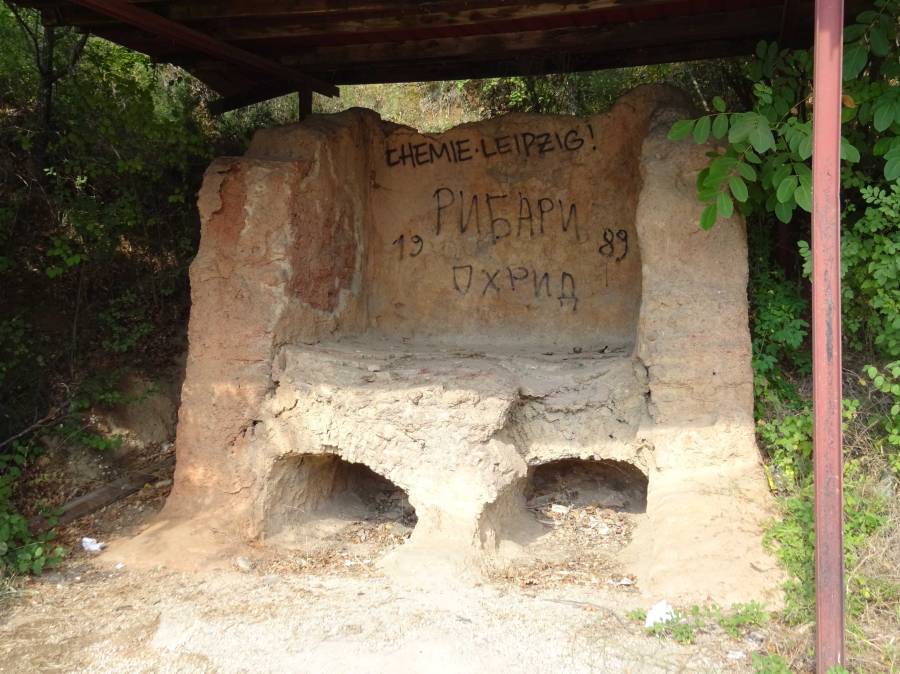
Just before you exit Dolno Konjsnko into the direction of Ohrid you can find this large Late Antique Kiln for the production of ceramics, discovered in 1969 during construction works of a road leading from Ohrid to the Monastery of St Naum. Apart from the graffiti by hooligans the kiln is well preserved, located under a protective roof next to the modern road. Based on parallels from Bulgaria and Romania, it is dated to the 6th c. AD and classed to the group of kilns producing bricks and roof tiles. It’s funny because I have passed this hidden gem several dozen times by car in the past, and I only noticed it after reading a scientific archaeological article Source: Weissova et al. Location: 41°03’53.7″N 20°48’05.3″E.
Caves at Lake Ohrid
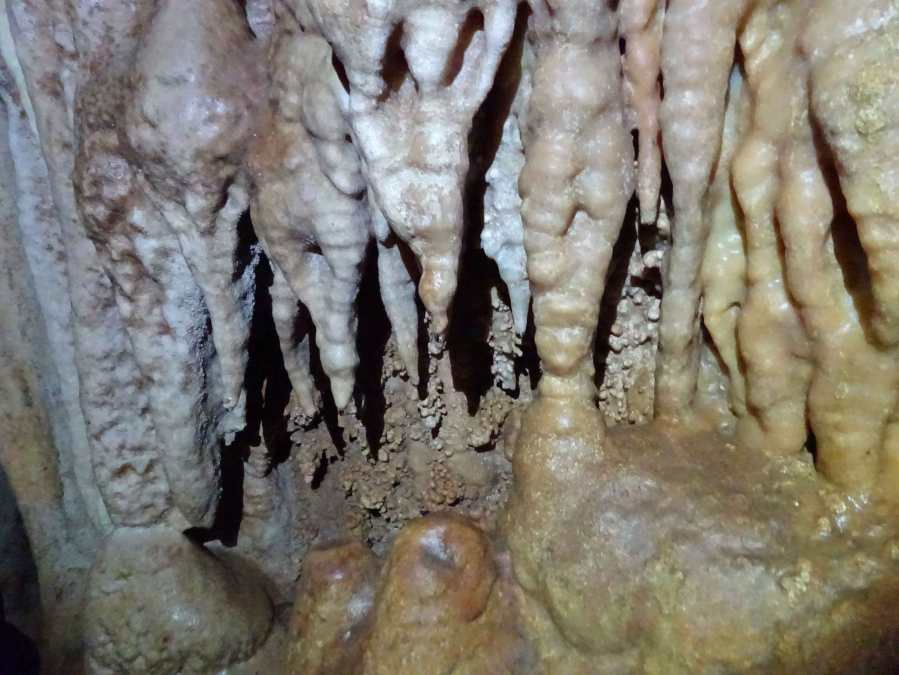
Near the fisherman’s village Trpejca you can find several caves. From Trpejca to the Krstova cave is an easy walk of about 1 km. It is a lot more challenging to find the Naumova and Crna Pesht caves, because the path along the shore of Lake Ohrid is completely overgrown with thorny bushes.
 My Macedonia Blog