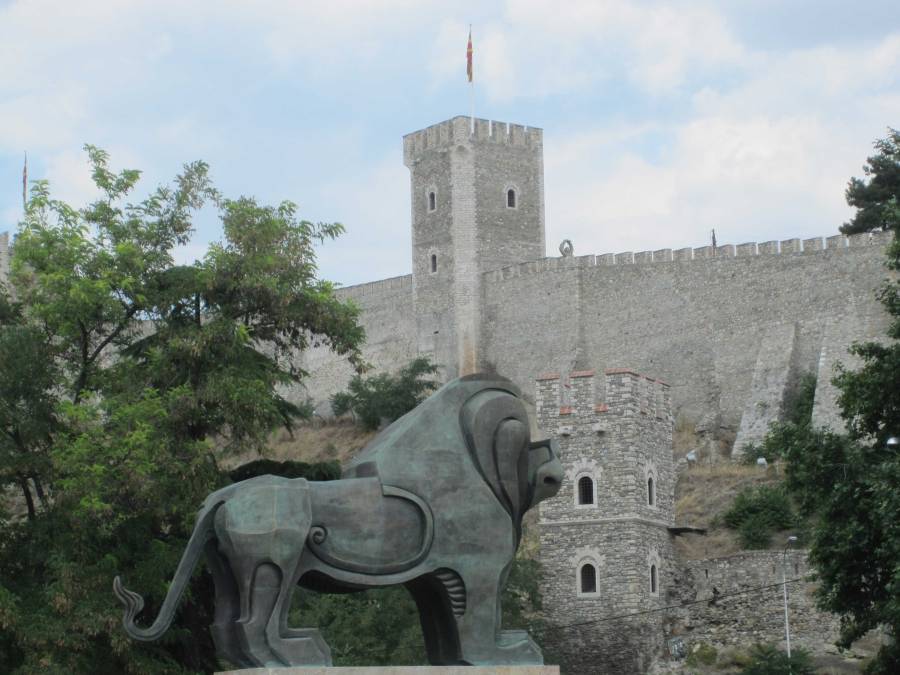
Big parts of Skopje have been destroyed several times during the last 500 years: In 1555 and 1963 by major earthquakes, and in 1689 when Skopje was set on fire by the Austrian general Piccolomini on his retreat during an outbreak of the plague.
After the devastating earthquake of 1963 that took place in Skopje, a lot of new buildings were erected in modernist and brutalist style. See here for a walking tour along the modernist and brutalist architecture of Skopje.
Or see here for a PDF with two free self-guided City Walks through the old and new center of Skopje.
Being located in a valley surrounded by mountains, Skopje tends to get very hot in the summer and smoggy in the winter.
Stone Bridge
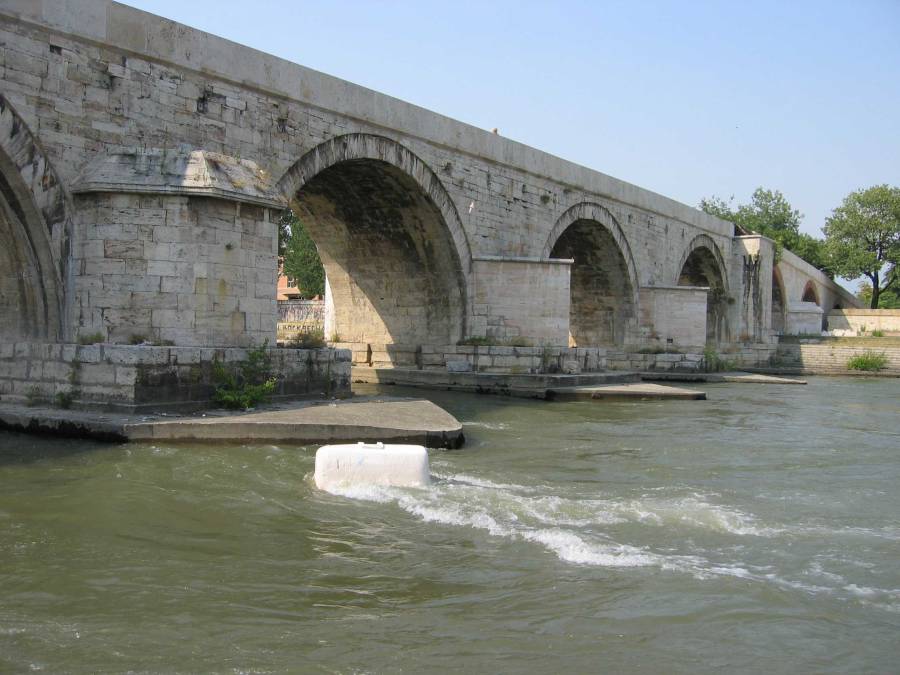
The old Turkish part called Carsija north of the river Vardar is connected by the Stone Bridge with the Makedonija Square and the modern center of Skopje south of the river.
The Stone Bridge dates back to the 15th century and was originally built with stone pillar railings, used by the Turkish rulers of Skopje to spike the heads of those disloyal to Turkish rule. The rebellion Karpos was the leader of the uprising against the Ottomans in 1689 in the region of Kriva Palanka and Kumanovo, Although successful at first, the uprising was smothered. Karpos was caught, gruesomely impaled on the bridge and afterwards thrown into the Vardar. A memorial stone for Karpos, “King of Kumanovo”, can be found in the middle of the bridge.
Statues and Landmarks
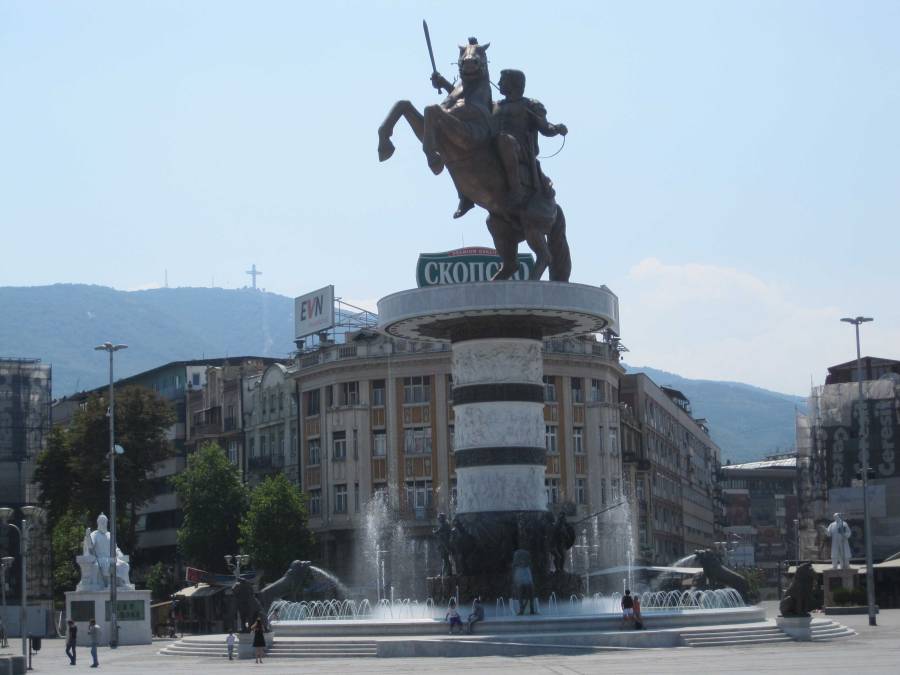
During the infamous and controversial “Skopje 2014” project many classical-looking new buildings, statues and monuments were built in Skopje, among which a huge fountain with a warrior on a horse (thought to be Alekandar the Great) on Makedonija Square. See here for a whole lot more statues and landmarks in Skopje.
Mother Theresa
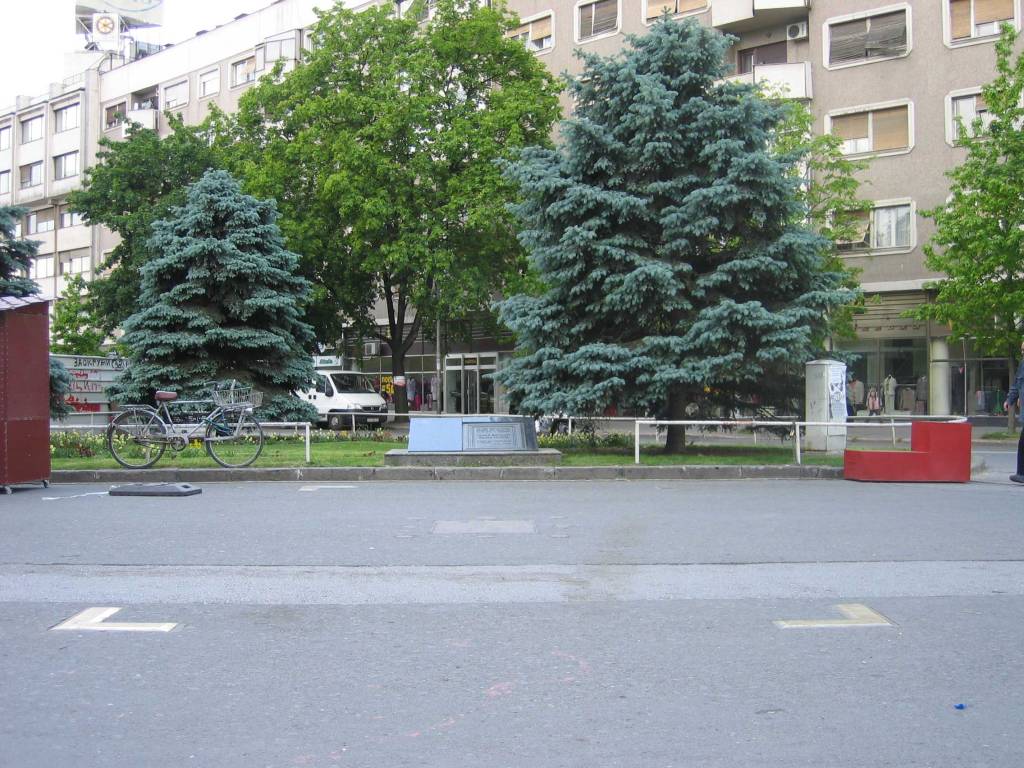
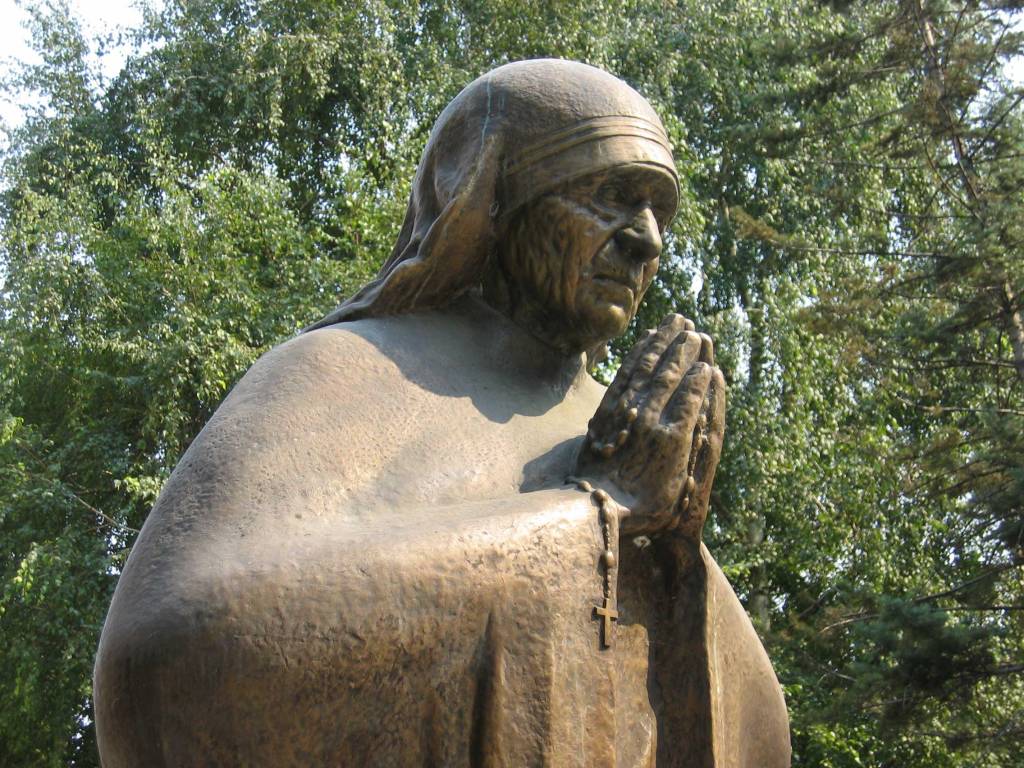
You will find the location where the house of Mother Teresa used to be between Makedonija Square and the Trgovski Shopping Centre (also called GTC ). The location of Mother Theresa’s house is shown by some marks on the pavement. On Makedonija Street there is also a statue and Memorial Museum for Mother Theresa.
Kale Fortress
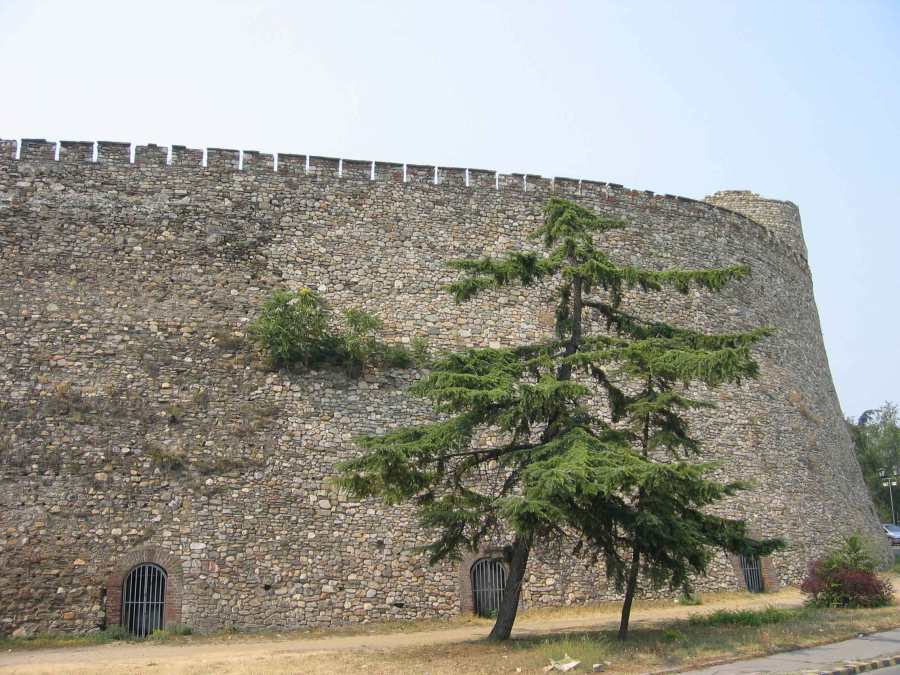
If you want to escape the busy reality of Skopje for a moment, visit the Fortress Kale (Kale is the Turkish word for fortress). It is situated prominently on a hill in the old part of Skopje, north of the Stone Bridge. Besides being an interesting fortress, it gives a panoramic view over the city of Skopje. The ramp was partly built of stones from the ancient town of Skupi, which was destroyed by an earthquake in 518. The inhabitants of Skupi decided to build a new settlement on the place where nowadays the Fortress Kale is situated. The present-day ruins date back from the 10th-century enlargement of the fort under Tsar Samoil. After the earthquake of 1963, only a few restored walls, the main gateway and two towers remained.
If you’re interested in fortresses, you may want to have a look at the ruins of Marko’s Towers on Mount Vodno as well!
Kapan An
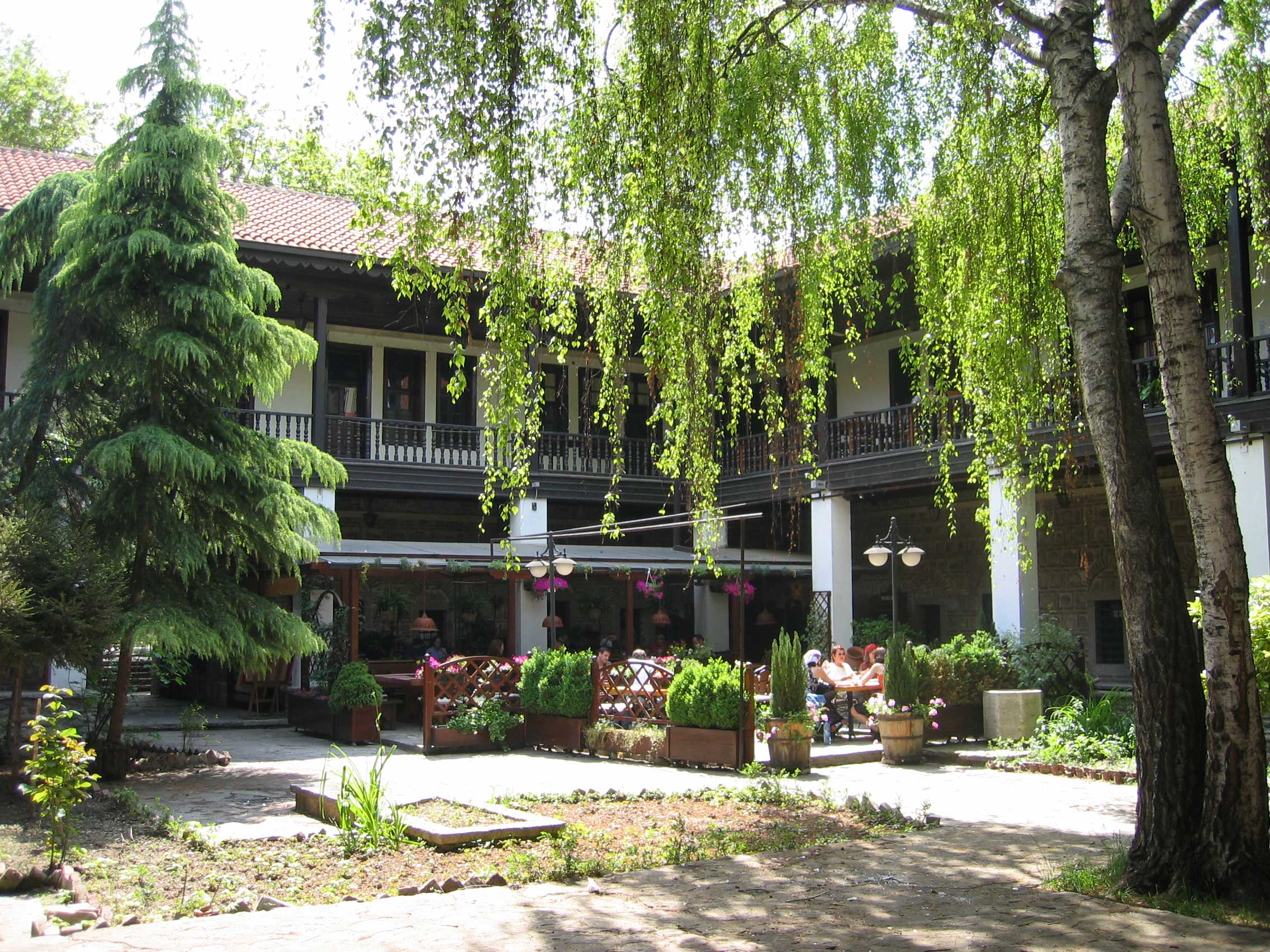
Kapan An is one of three old trading inns in Carsija, the old Turkish part of Skopje. The inns used to house mostly Muslim travelers and merchants.
The other two inns are the Suli An (now the Museum of the Old Bazaar) and the Kursumli An (now part of the Museum of Macedonia). Kapan An was built in the 15th century. The name “Kapan” refers to a balance, used to weigh merchandise. Nowadays, the Kapan An houses several restaurants, among which Pivnica An (Beerhouse An). Pivnica An, located at this historical location, is a bit expensive and gets mixed reviews, but I had a great time and good food when we celebrated my birthday with family and friends. You have to look well to find the Kapan An, as it is surrounded by walls and you have to walk down some stairs to enter it. After crossing the Stone Bridge into Carsija, you pass the Daut Pasha Amam and the bridge over the big street Goce Delcev. Keep right and the Kapan An will be at your right hand side.
Skopje Zoo and City park
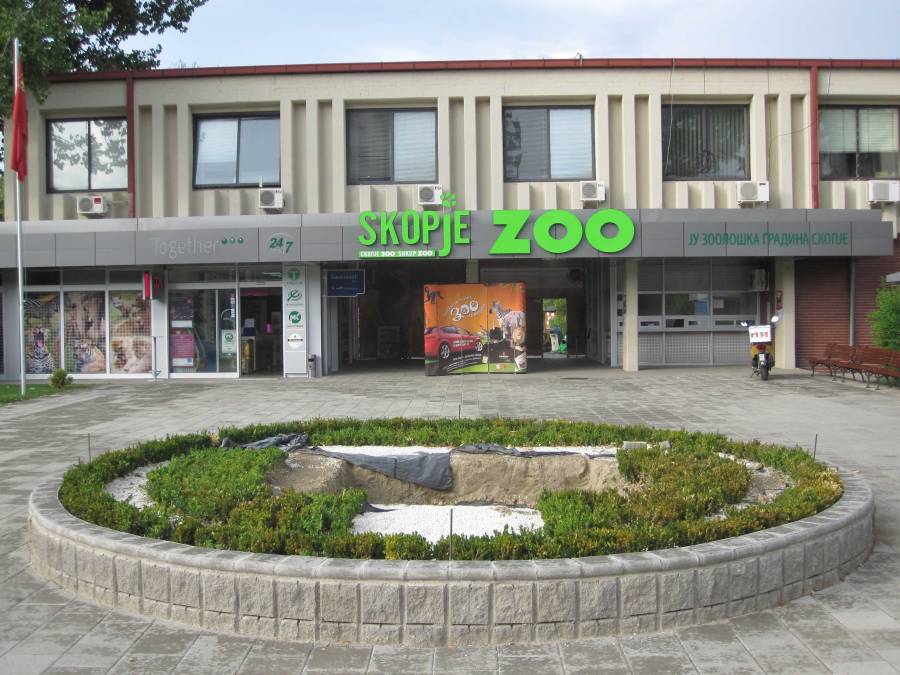
The Skopje City Park is a big park about 1 km west from the center of Skopje, next to the river Vardar. The park is a welcome place to escape the hectic reality of Skopje. Especially in the summer, when the streets of Skopje are hot and full of smog, this is the place to get some clean(er) air and some shadow from the trees. The Skopje Football Stadium, Skopje Zoo the Museum of Natural History, and several open-air summer nightclubs can be found near the park.
Skopje Zoo got a lot better over the years. We almost left crying after our first visit in 2003, because of the very poor conditions for the animals. But the accommodation for most animals significantly improved recently.
Markets in Skopje
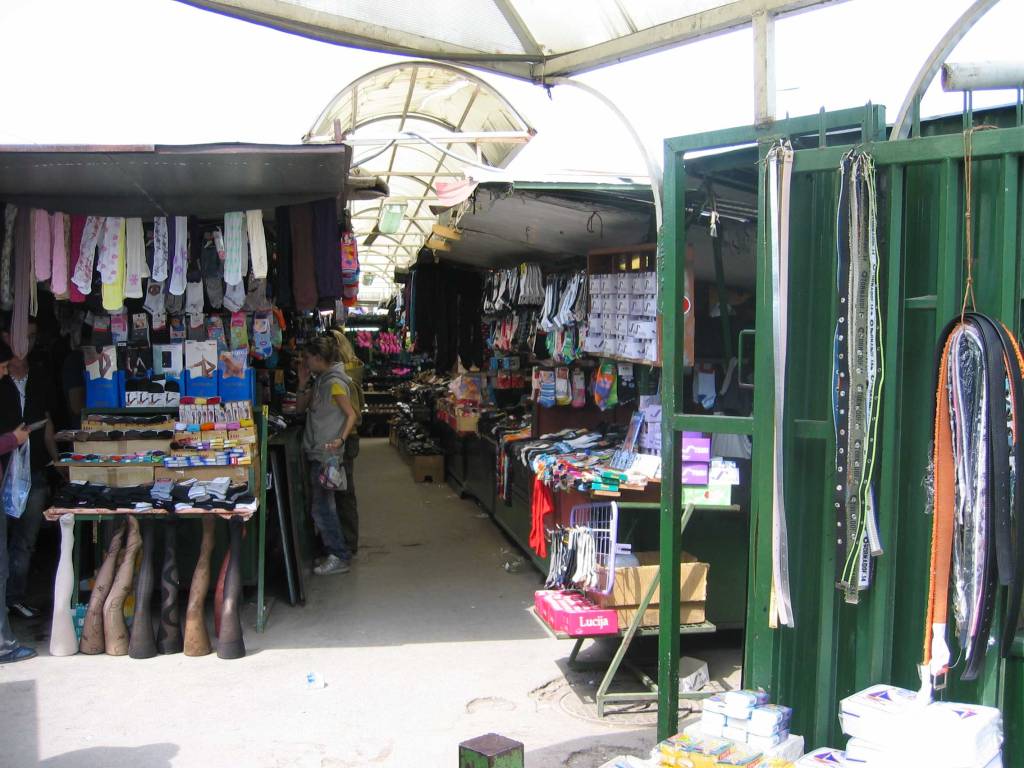
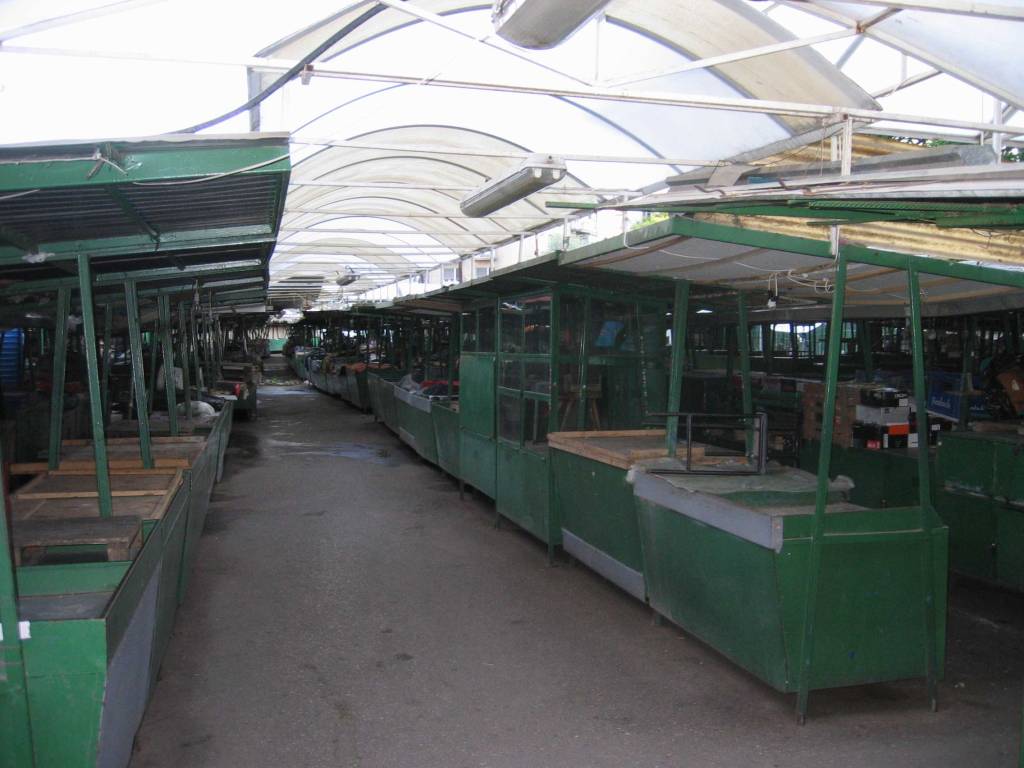
In the north part of Carsija, there is a big, partly covered marked, called Bit Pazar (or Bit Bazaar, flea market). The Bit Pazar is next to the Ishak Bey (also called Aladza) Mosque. You can buy virtually everything at this market, from food to clothes. Another market is the Green Market (Zelen Pazar), in the new part of Skopje close to the building of the parliament, that is more directed to fruits and vegetables
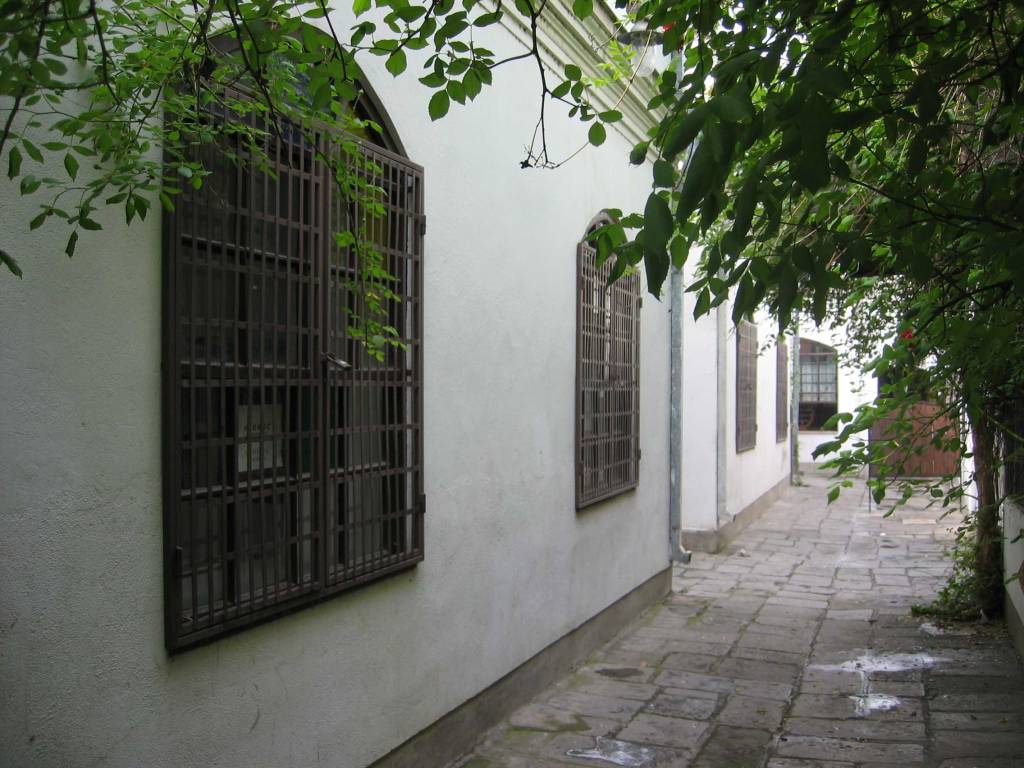
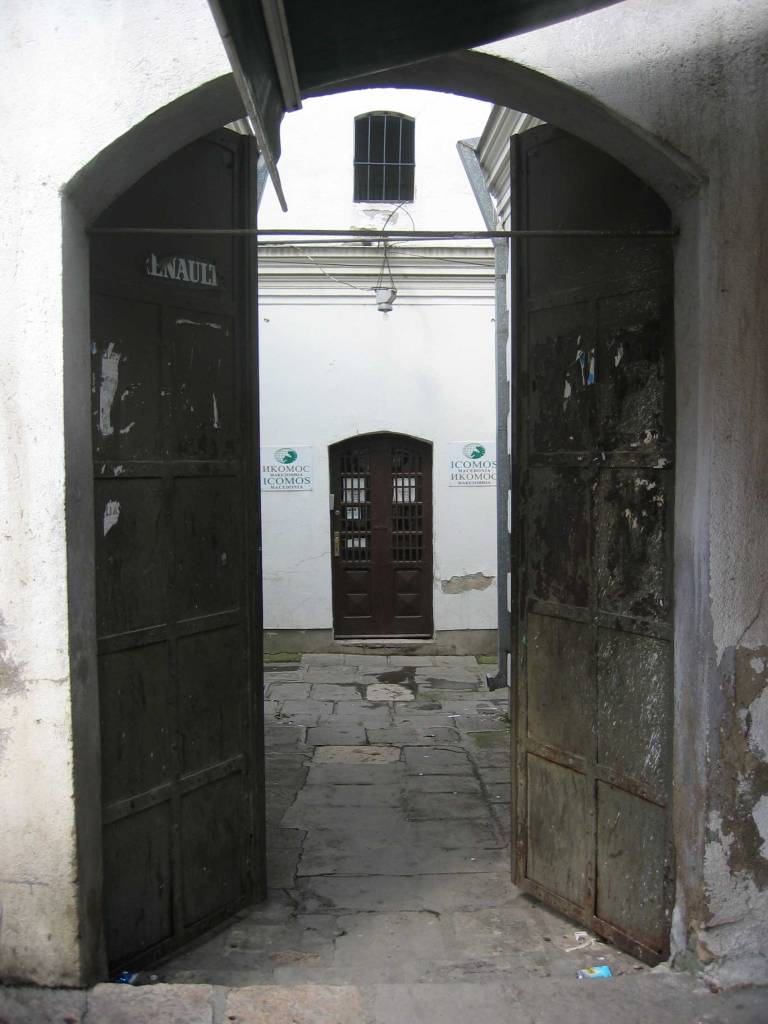
A Bezisten is a closed, covered marked or shopping center. These bezistens were built for selling valuable goods. For the tradesmen that visited these markets, inns such as the above mentioned Suli An, Kapan An and Kursumli An were built. The bezisten in Skopje was built in the 15th century, but it was destroyed in the fire of 1689. The covered market was renewed in 1892/93. Today, the bezisten in Skopje houses some bars and shops.
Churches and Mosques in Skopje
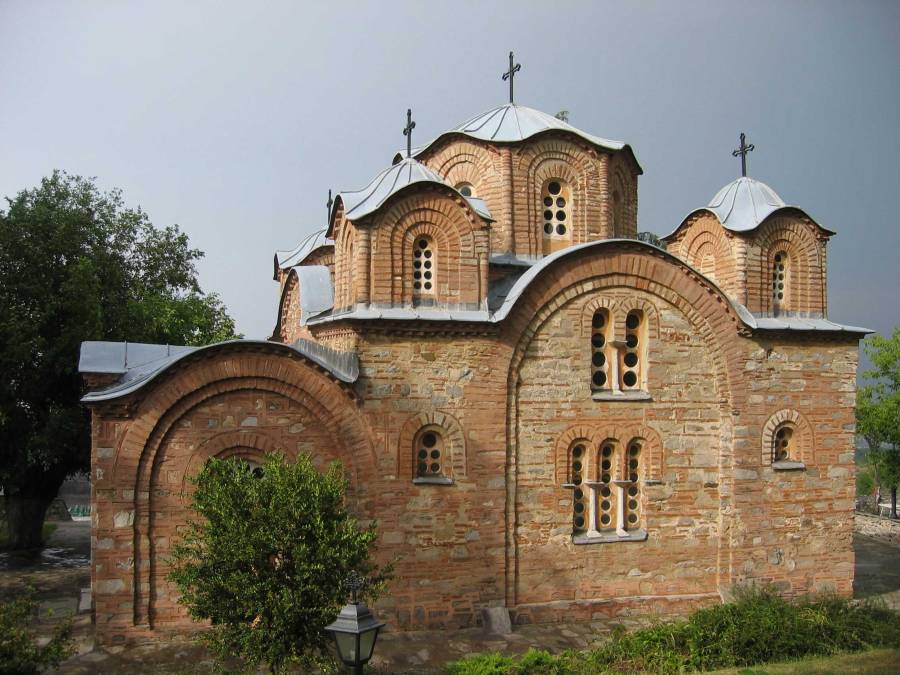
Half-way up Mount Vodno in the village of Gorni Nezeri, lies the famous Monastery of Pantelejmon. The church dates back to 1164 AD. They say that the frescoes in the church can be seen as early Renaissance Art. There is also a restaurant and a hotel at this location. You can hike from Dolno Nerezi to the Monastery of Pantelejmon. See here for all the other churches and mosques that we visited in Skopje. The mountains north of Skopje are known as Skopska Crna Gora (Skopje’s Black Mountain) but also as the “Holy Mountain of Skopje” due to the many old churches. See here for a daytrip along the churches and other sights of Skopska Crna Gora.
Museums in Skopje

In order to avoid disappointments, inform yourself ahead of opening times of museums In Skopje and the rest of Macedonia. Most of the museums are closed on Mondays and some on Sundays as well.
The City Museum of Skopje is housed in the Old Railway Station, built in 1940. The earthquake of July 26 1963 destroyed a large portion of the Old Railway Station, and stopped the station clock at 05.17 in the morning. The clock, on the front of the museum, still displays this time. The museum is about the history of Skopje through the centuries. Address: Mito Hadzivasilev Jasmin. See here for all the other museums we visited in Skopje.
Archeological sites near Skopje
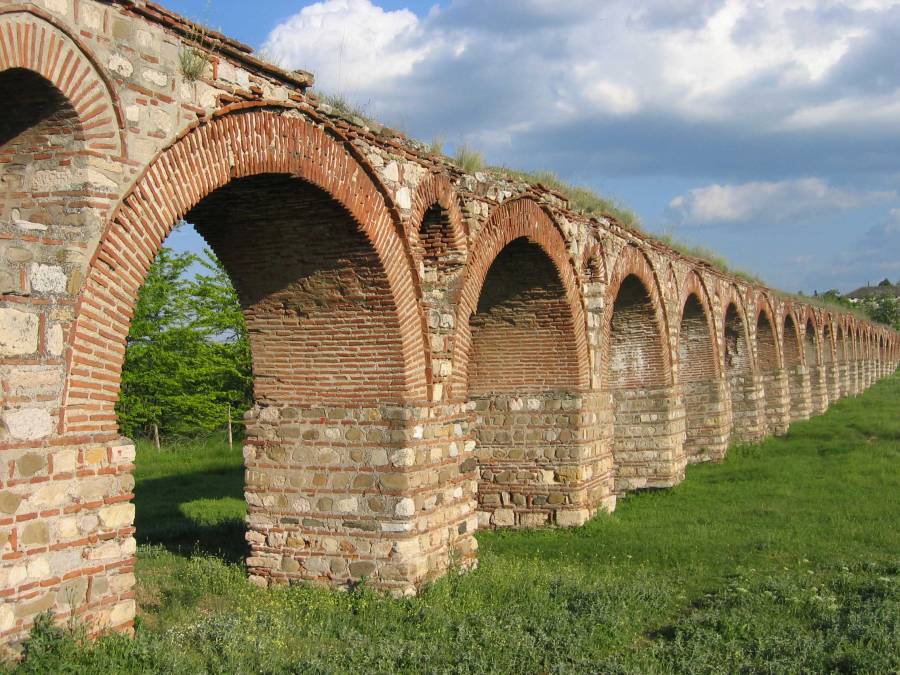
Close to Skopje, north from the center near the village Vizbegovo, lies an old stone aqueduct. It is not clear if it goes back to Roman or Ottoman times, but it likely was used to supply Turkish baths such as the Chifte Amam and the Daut Pasha Amam with water from the Lavovec spring on the mountain Skopka Crna Gora.
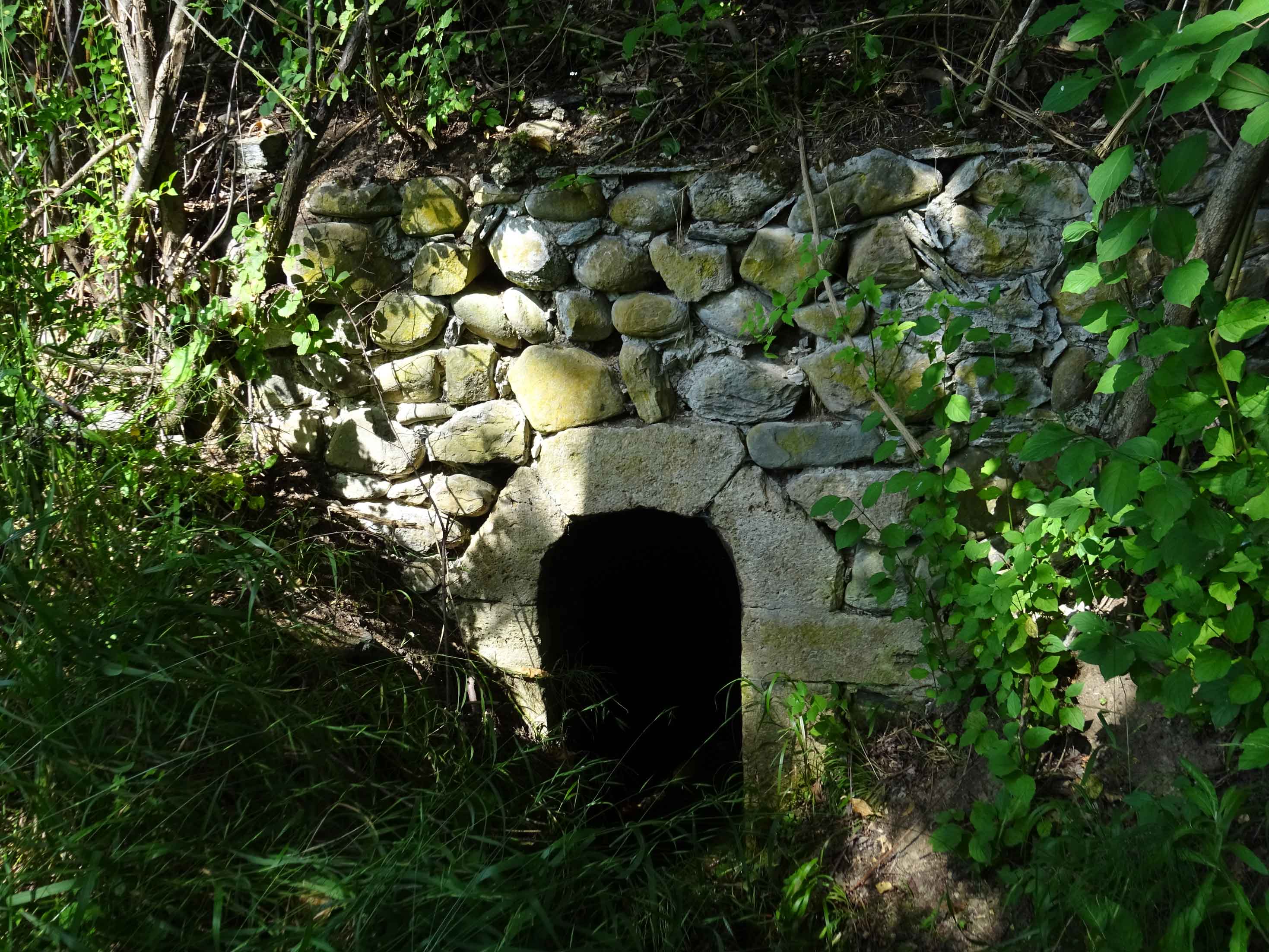
Because all the guides mention that the aqueduct got its water from the Lavovec spring we decided to try to locate the spring. We found it near the village Gluvo with the help of a friendly local. See here for its exact location.
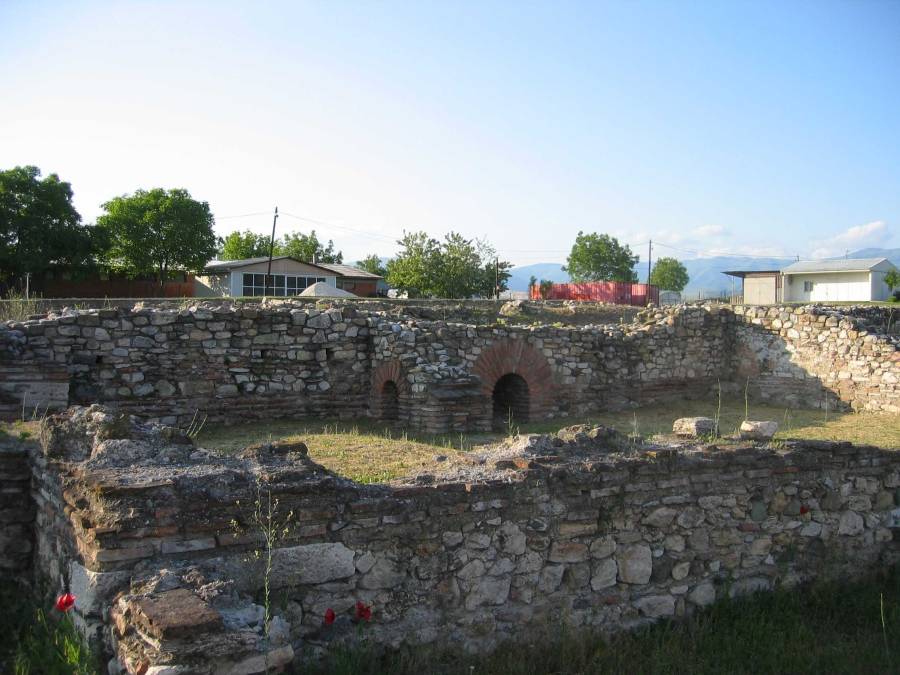
Skupi is the name of the ruins of the old settlement of Skopje. The area has been inhabited since thousands of years BC. The old Roman road the Via Axios connected Skupi with the ancient town of Stobi. The town was destroyed by an earthquake in 518 AD, and many of its stones were used to built the Kale Fortress. On the site can be found: a civil Basilica, an administrative building, Roman baths, a street and the substructure of an amphitheater. Unfortunately, at the time of visiting in 2008 the site was barely uncovered and lacks information or a museum. If you do not have time, you better skip this site and visit the archeological site Stobi or Heraclea Lyncestis near Bitola, which are more interesting.
Skupi is located north-west of Skopje, just out of town on the road to the village Bardovci. The Old Stone Aqueduct is close and can be combined with a visit to Skupi.
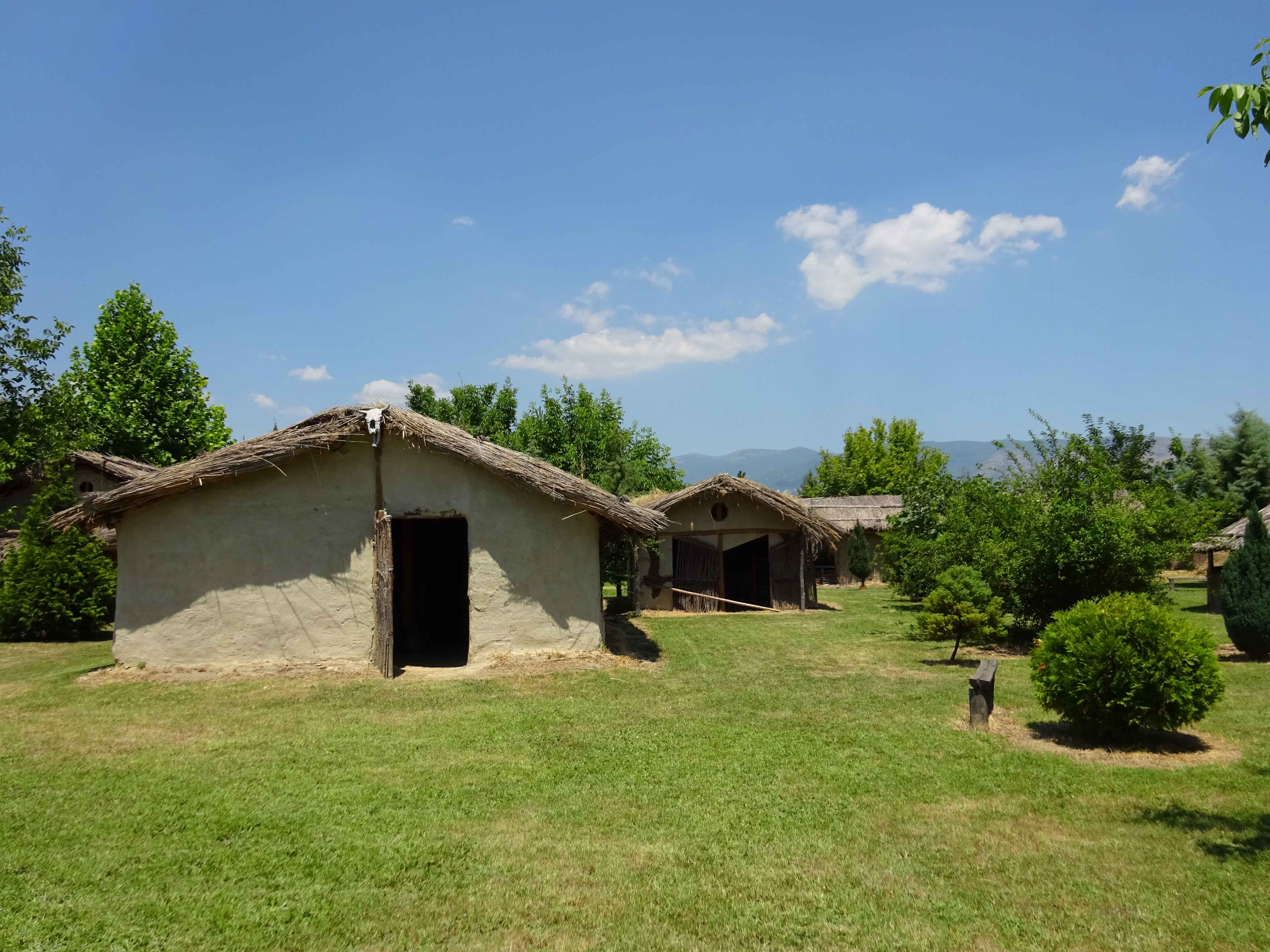
Tumba Madzari is a very important Neolithic (New Stone Age, 6000-4000 BC) site in Macedonia, located in the eastern part of Skopje. The famous statue of the Golemata Majka (Great Mother) was found here in 1981. The statue can now be admired in the Museum of Macedonia in Skopje. Nowadays Tumba Madzari is an open air museum with a reconstruction of the original village, next to the original archeological site. There is a lot of info in English about the site on information panels inside the houses. On top of that we got a private tour (in Macedonian) because we were the only visitors. The entrance is free! It may be good to check if they are open before your visit (closed on Mondays, Tuesdays and holidays). The website of Tumba Madzari also has a virtual tour in case you don’t have time to visit or you want to check out if this is your cup of tea: http://tumbamadzari.mk/en/
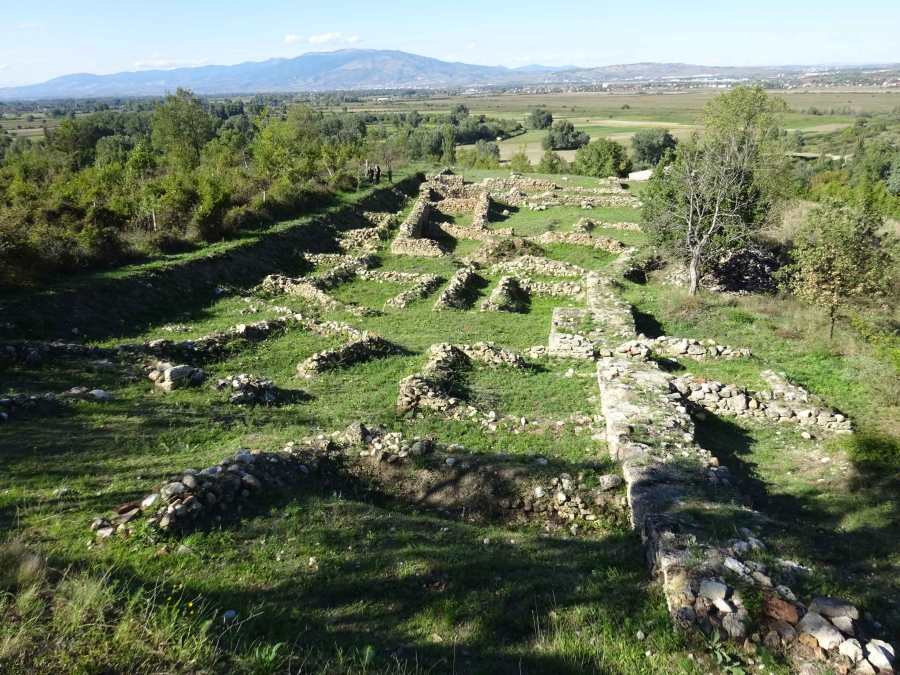
About 25 km southeast of Skopje there is the archeological site Tauresium, birth place of emperor Justinian I. We combined a visit to this site with a visit to the nearby Katlanovska Spa and its hot springs as well as the archelogical site Baderiana. See here for more details.
Millennium Cross and Lake Matka
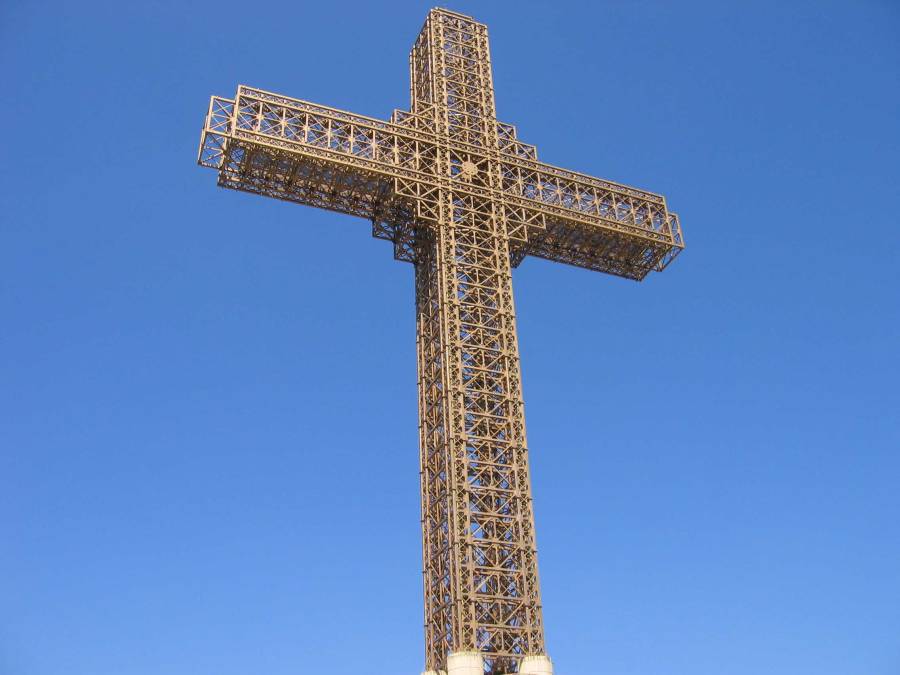
A huge steel cross, lit up at night, oversees Skopje from Mount Vodno. It is a good target for a short hike! The Millennium Cross can also be reached with a cable car, but inform yourself about the opening times because it does not run on Mondays and the last Tuesday of the month (https://skopjebus.mk/en/zhichnica/ where you can also check with a webcam if the cable cars are working). There is a small restaurant at the top. You can hike from the Millennium cross to the Lake Matka canyon.
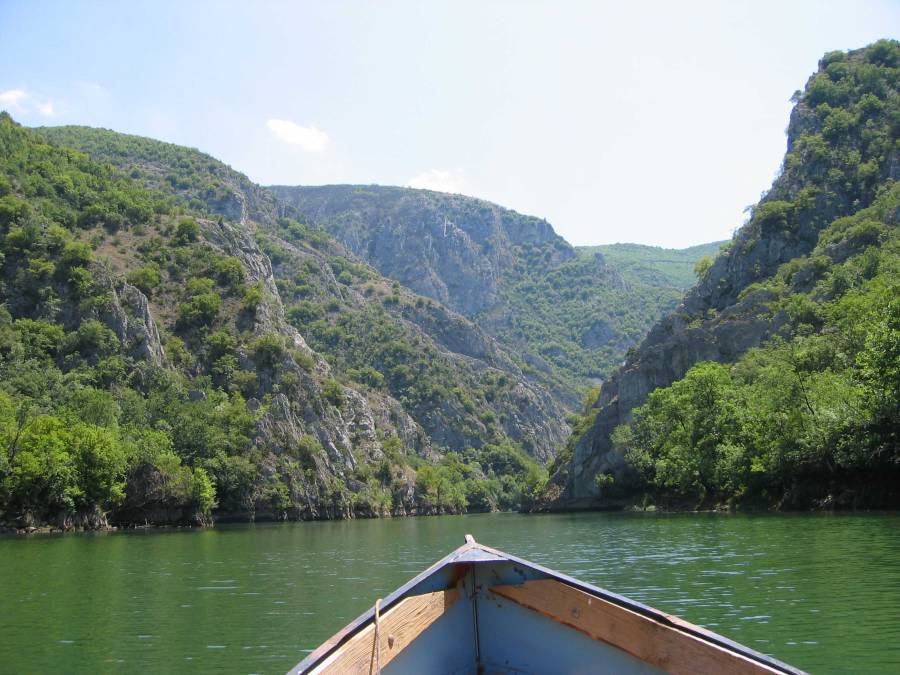
One of the must-visit sites near Skopje is the artificial Lake Matka. There are several hiking trails around the lake. There is a cave that can be visited by boat, and several churches and ruins of churches in the surrounding hills. You can also find the ruins of King Marko’s city at this location. See here for more info about Lake Matka.
Macedonian village replica
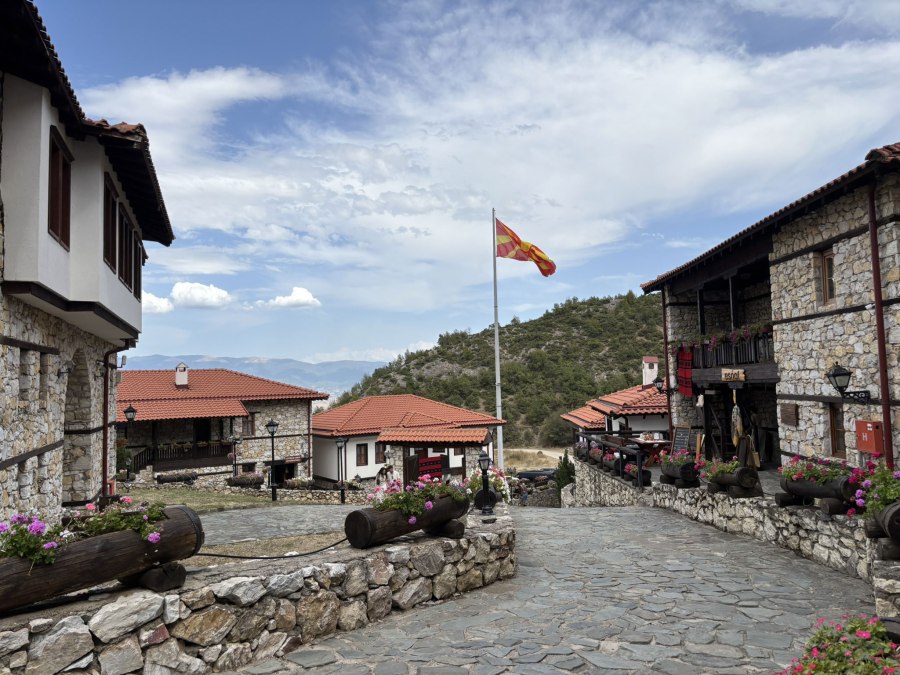
Makedonsko Selo (Macedonian village) is a mixture of a hotel, restaurant and cultural complex on the slopes of Mount Vodno, opposite to the famous St Panteleimon Monastery near the village Gorno Nerezi. It is designed to look like a Macedonian village with rural architecture from different regions of Macedonia. Besides the hotel and restaurant there are several tourist shops, among which a jewelry. There also is a small museum, showcasing some traditional clothing and artefacts. We got a very nice private tour of the museum. We didn’t stay in the hotel or ate in the restaurant, so I cannot comment on the quality of those, but I found the whole experience a bit underwhelming. When you’re not staying in the traditional houses it is not possible to visit them inside. Although the entrance to the village and the museum are free, it’s a bit of a tourist trap since the prices in the shops are on the expensive side. Personally I would only visit Makedonsko Selo if I would be there anyway to visit the Panteleimon Monastery. You better spend your time visiting real rural villages than this replica.
 My Macedonia Blog