
The archeological site Tauresium is located approximately 25 km south-east from the center of Skopje near the village Taor.

Tauresium is the birthplace of the Byzantine emperor Justinian I (482-565). According to Justinian’s biographer Procopius, the emperor was born in Tauresium, more precisely in the castle of Baderiana, which is near the modern village Bader. Note the similarity in the names of the villages Taor/Tauresium and Bader/Baderiana.

We combined a visit to Tauresium, Baderiana and the hot springs of Katlanovo Spa in an 4-5 hour/half-day trip by car from Skopje. We parked below the Church of St Ilija in Taor, but there is also an asphalt road leading right up to the Tauresium site. Parking near the site is limited, but it is just a very short walk from the church.

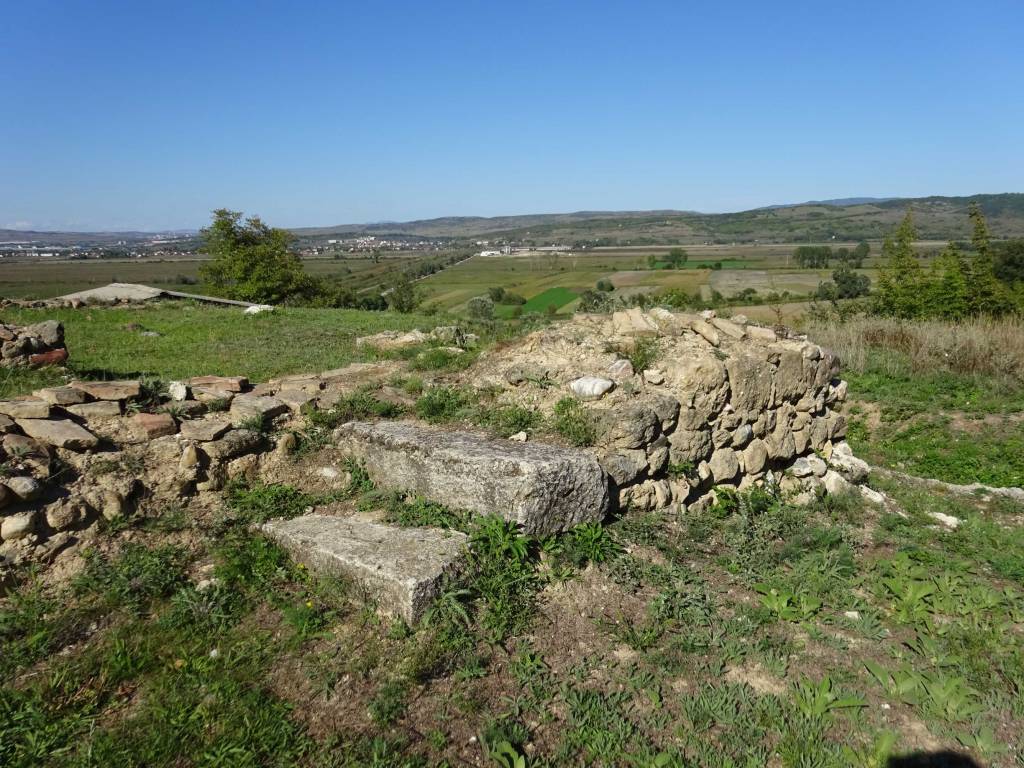
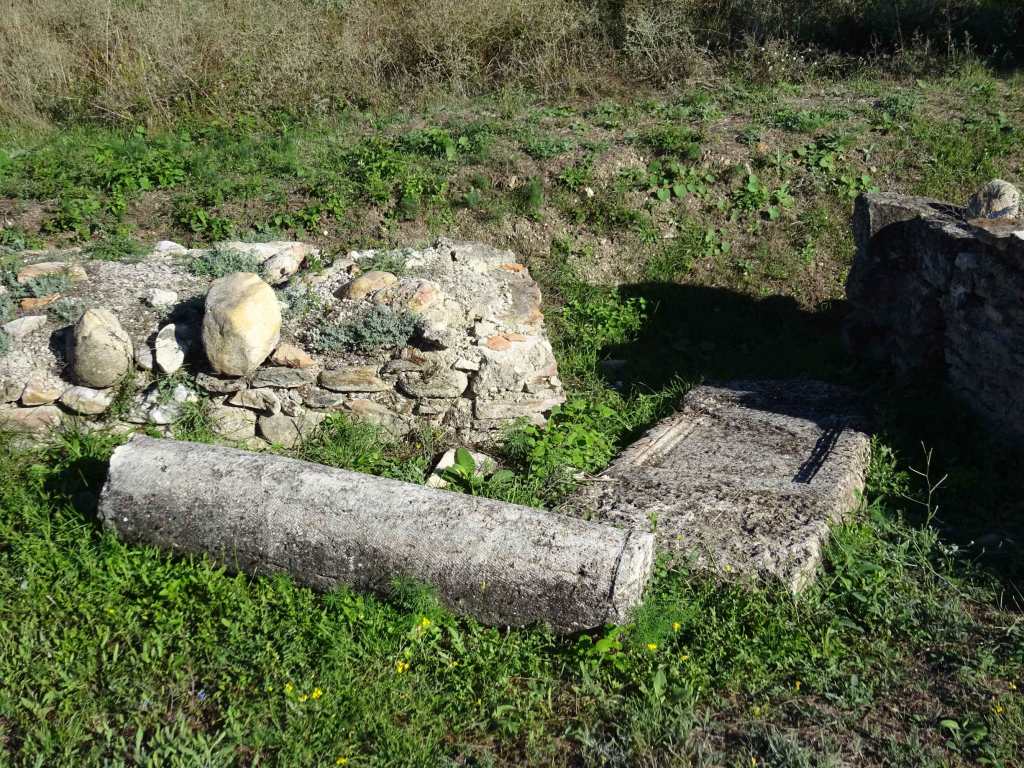

Tauresium and the castle Baderiana were destroyed in an earthquake in 518 and the epicentre of the earthquake was in the nearby city of Skupi. As a gesture of gratitude to his birthplace, Justinian I rebuilt the city.
According to the excavations that have been done so far, it is estimated that the oldest parts of Tauresium date from the 4th century.
Hot Spring at Katlanovo Spa
After our visit to Tauresium, we drove to Katlanovo to visit the hot springs at the Katlanovska Spa / Medical center (https://www.katlanovskaspa.com). We did not go there to have a relaxing day at the spa, but to check out the hot spring outside the official spa. We parked near the Church of St Nedela, at the other side of the river Pcinja opposite to the Katlanovo Spa.

From there you cross the bridge to the Katlanovska Spa.

At the other side of the river you follow a trail uphill. There are tubes along the trail that bring the hot water from the main spring to the Spa. It is easy to find but you can download a GPS track here.

After about 300 m you reach the hot spring, which originates in a cave in the rocks. There were people bathing in the cave. Actually it was getting busy, with people waiting their turn for others to leave the cave. They said it’s the same healing water as in the spa, but for free!
“Katlanovo is the boiler where the sun is born. If something can heal me, then it’s there, between the sun and the water “, which are allegedly the words of emperor Justinian I.
I wish I had taken my swimming suit because it would be really interesting to enter this hot water spring, which was maybe also used by Justinian I!
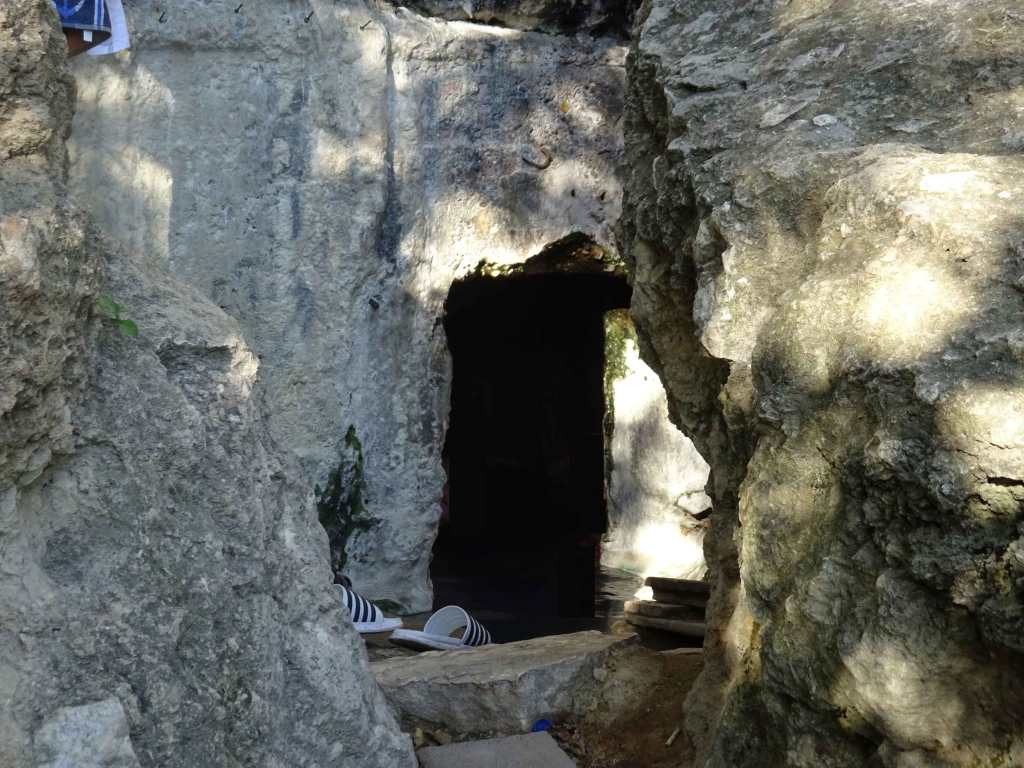
In the surroundings of the spa there are several hot and cold mineral springs, while the spa itself is supplied with water from one hole at 1.5 l/s, and a temperature of 40 °C. The water contains mostly sodium, calcium, chlorine, sulfates and hydrocarbons.

The high amount of minerals is clear from the leaking tubes that bring the water to the spa: Around the leaks there are huge deposits of salts. I followed the tubes for a few hundred meters to the source, which is fenced off and nothing more than a tube sticking out of the earth.

Several types of rheumatic diseases, diseases of the genital organs, kidneys and urinary tracts, nervous, skin and respiratory diseases are treated in the spa. The bath was intensively used by the Romans, and then by the Turks. The first hotel was built only in 1934. Today there are three hotels and several resorts.
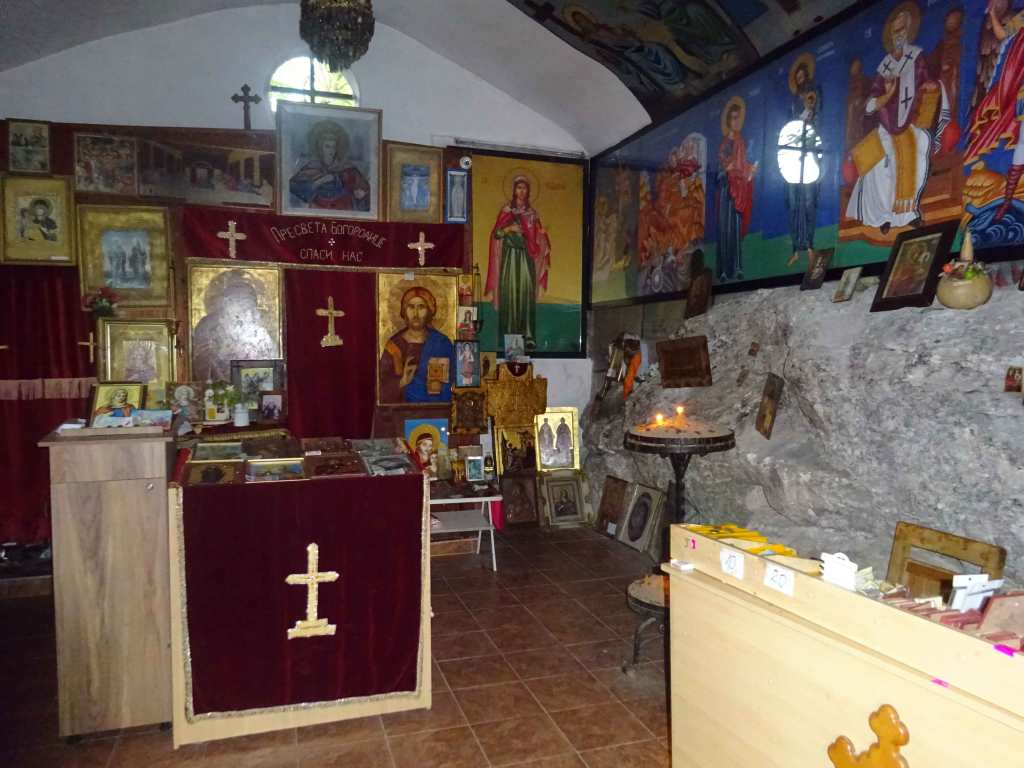
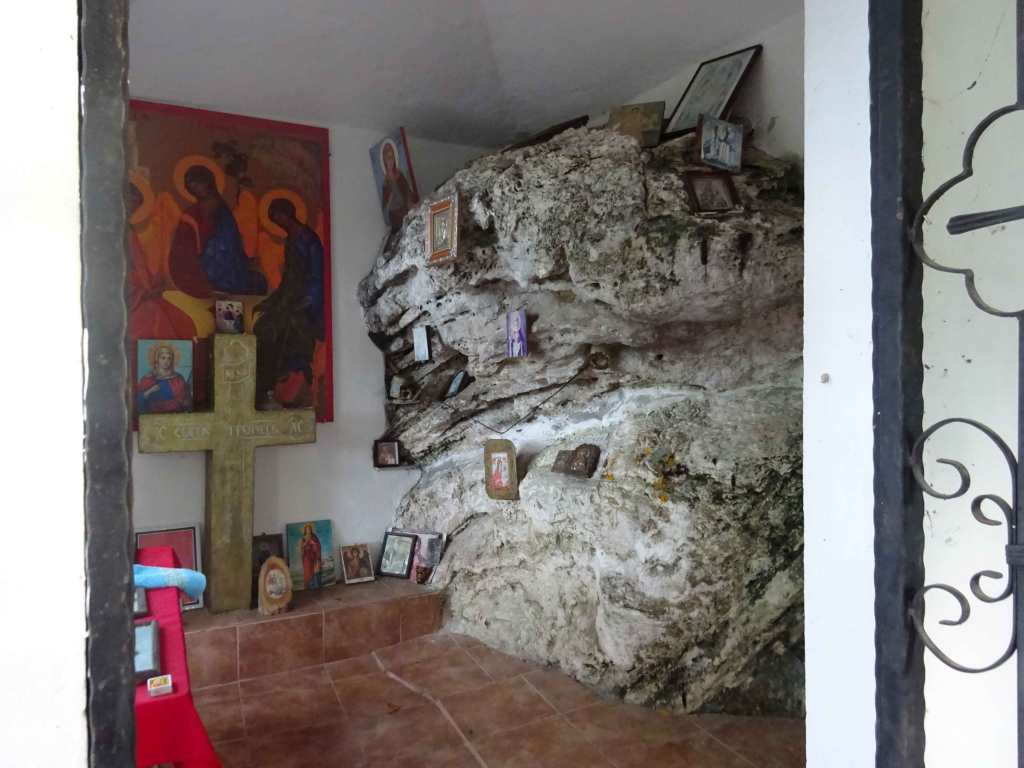
Back again on the other side of the river we visited the Church of St Nedela (Holy Sunday) and the Church of St Troica (St Trinity) next to it.
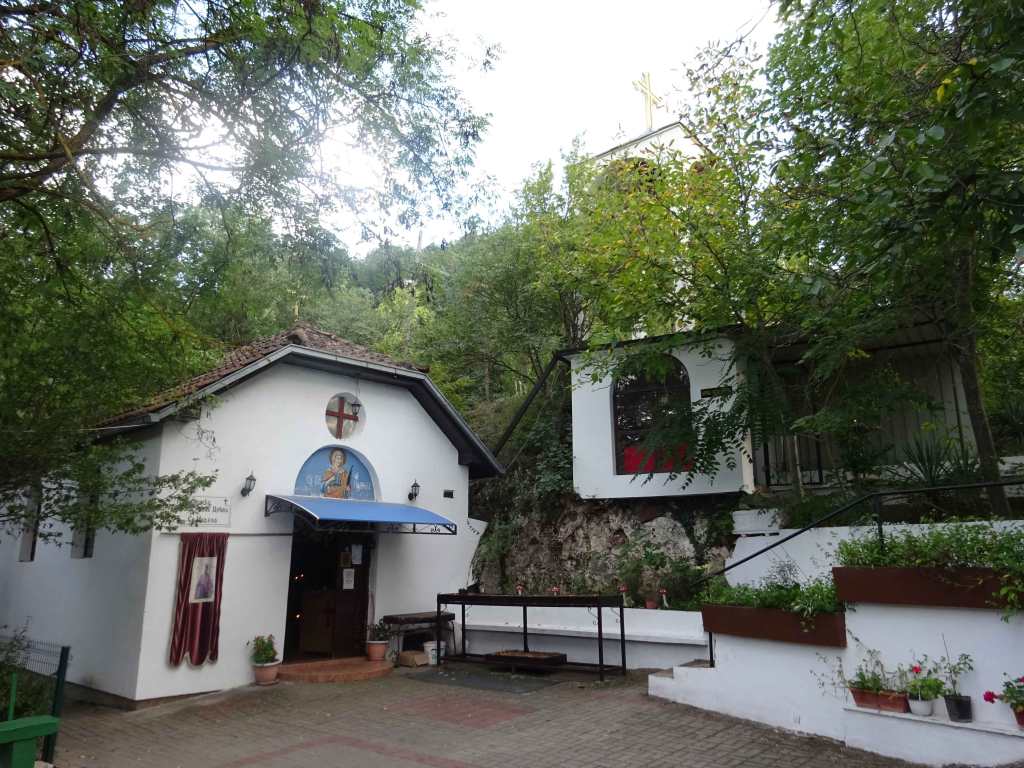
Interestingly, both churches are build against a rock that is part of the wall of the churches.
Baderiana
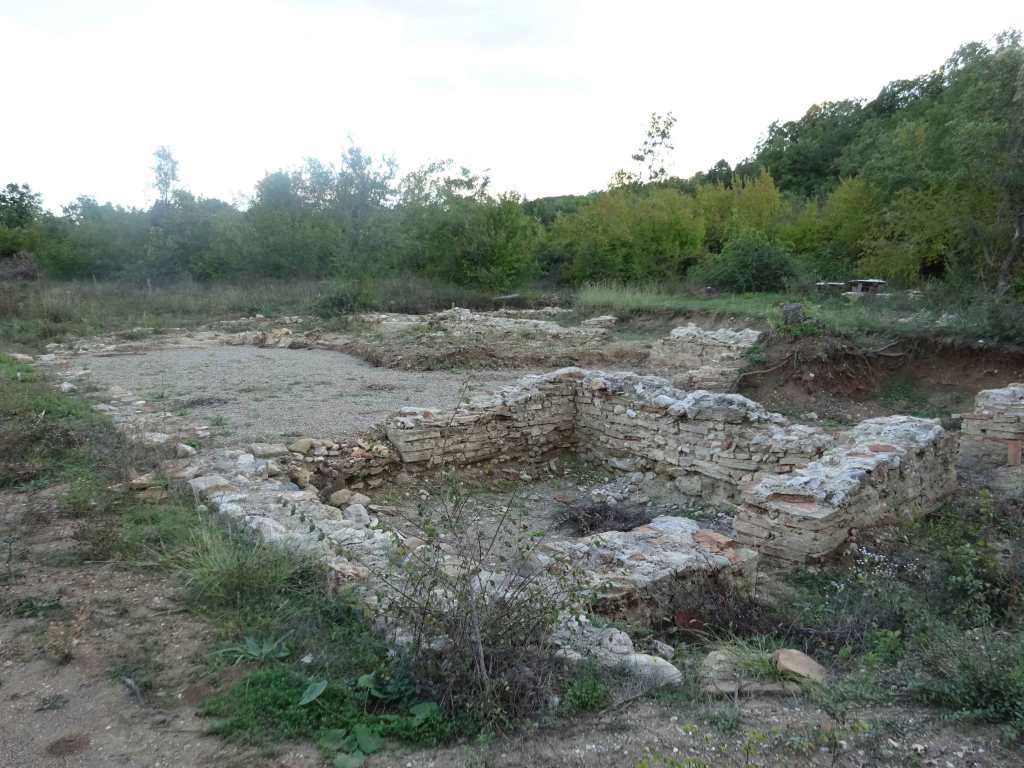
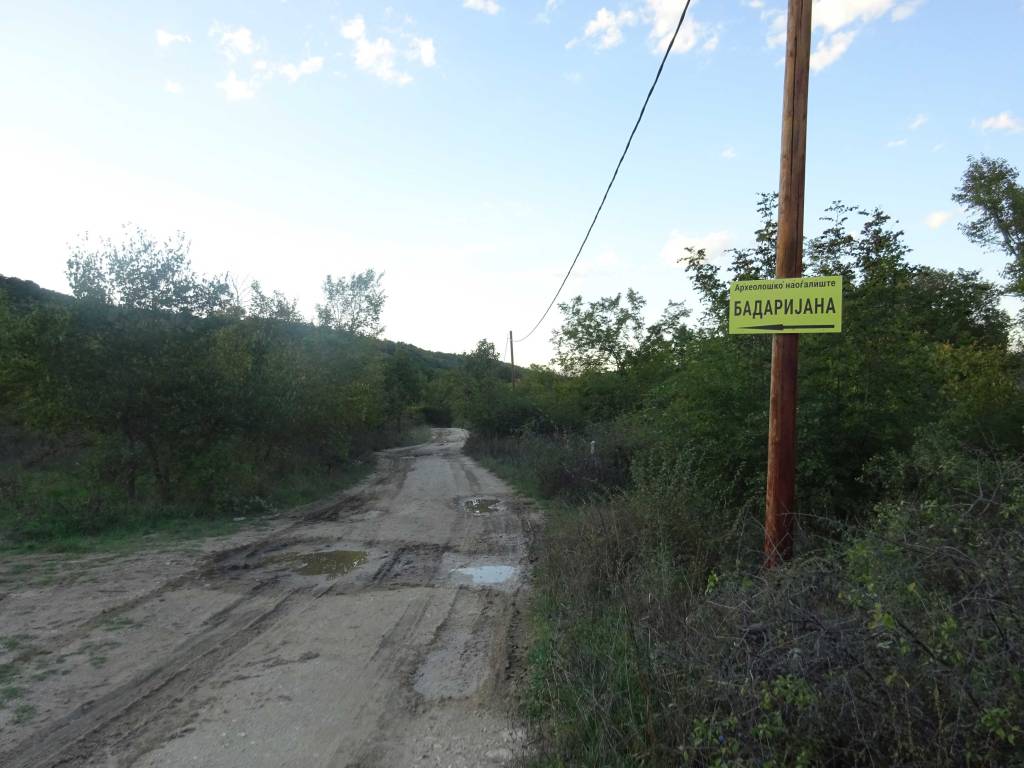
The last visit was to the archeological site Baderiana (Badarijana) near the village Badar. To get there, you can enter these coordinates in Google Maps, it is the place where the asphalt stopped and we parked the car (see the map below): N41 52 15.9 E21 40 55.7. Make sure your drive to Badar first to avoid driving on the dirt road. It’s just a very short walk to the site of Baderiana, which is signposted.
The site of Baderiana is small and there actually is not a lot to see. I am not sure if there was something interesting beneath the sand and gravel on the floors, sometimes this is used to protect mosaics.


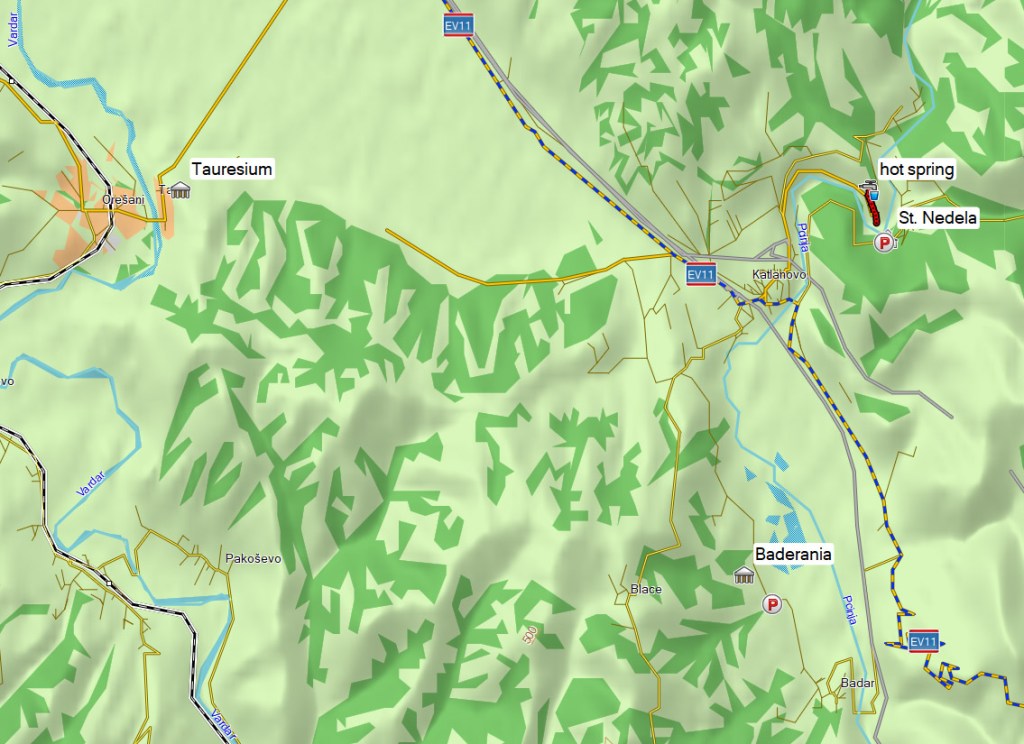
Below there is an overview of the 3 sites that we visited.
 My Macedonia Blog