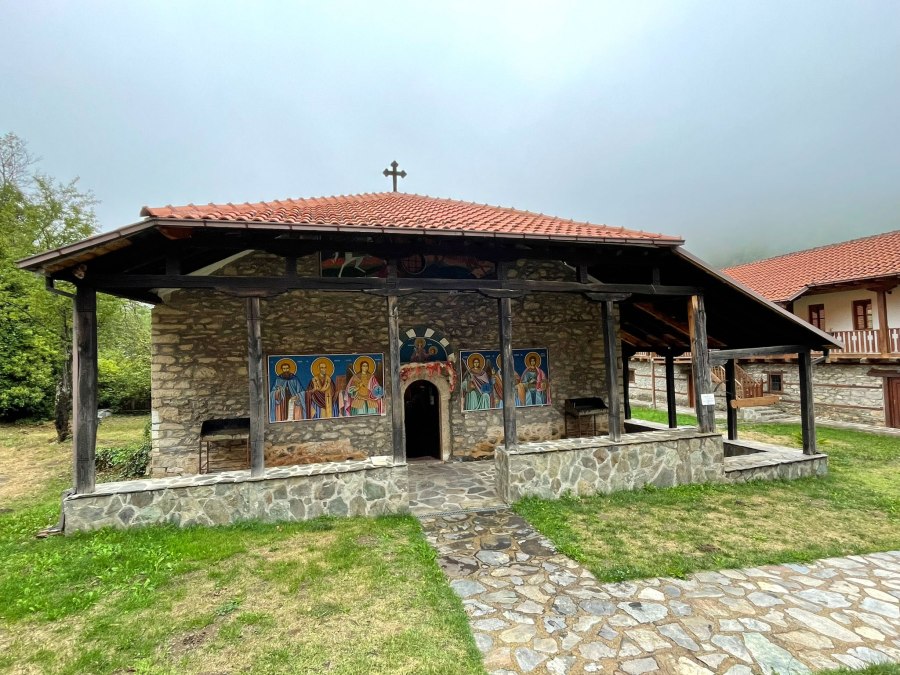
The village Capari is about 20 min driving from Bitola, and is located just outside the northern border of Pelister National Park. In 2024 we visited Capari and Rotino to see the churches in these villages.
Monastery of St Petka

The Monastery of St Petka is located a bit outside Capari, in Pelister National Park. Together with the Church of St George it certainly was one of the highlights of this daytrip from Bitola. The monastery was closed when we arrived there. But we had the contact details of the caretaker who lives in Capari and he came to open the monastery after we had called him.

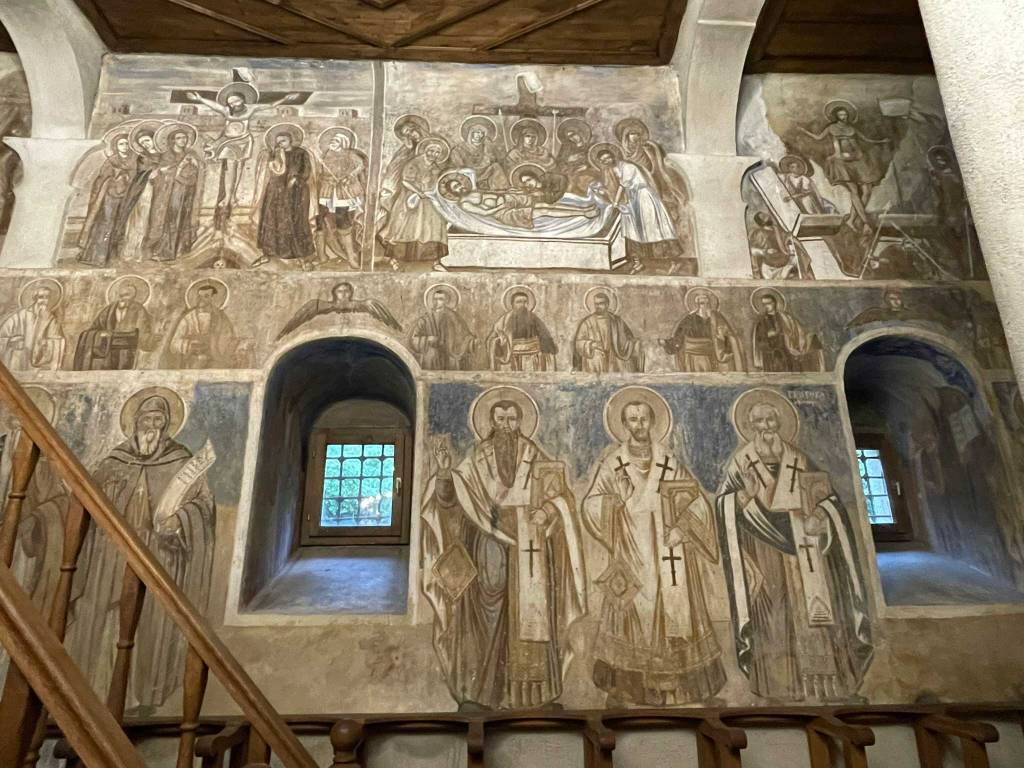
The Monastery of St Petka was built in the 16th century. The monastery was in a poor state of repair until 1724, when it was renovated. The current church dates from 1849. In 1995 a fire destroyed the iconastasis, icons and most of the church contents. The current iconostasis is from 1997. The congregation has a big celebration every September 8th. Location: N41° 03′ 05.4″ E21° 10′ 02.1″.

There is a small chapel with holy water on the other site of the parking opposite to the monastery.

St George
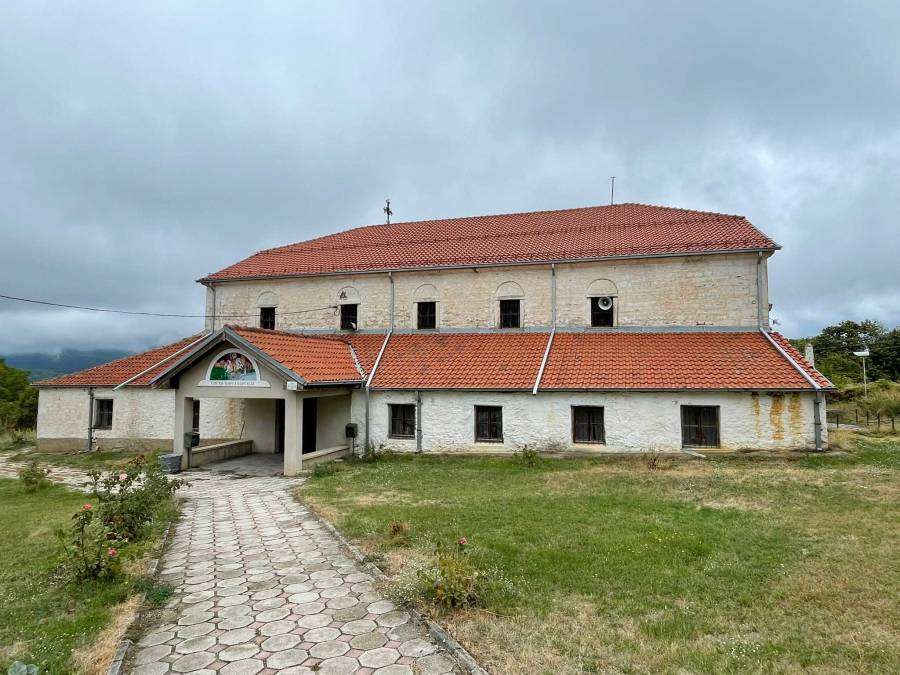
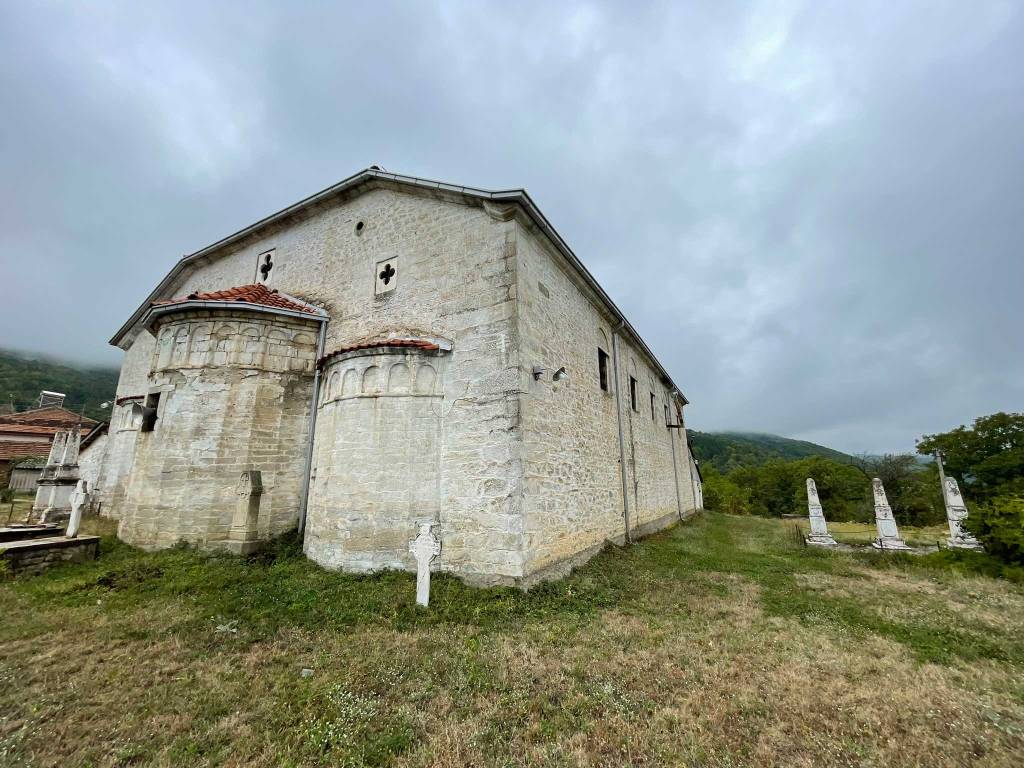
The caretaker also opened the Church of St George in the center of Capari for us. This beautiful church dates from 1888. The church’s frescoes are from 1890 and the church was consecrated in 1891.

The Church of St George has a rich collection of icons dating back to the 18th and 19th centuries.
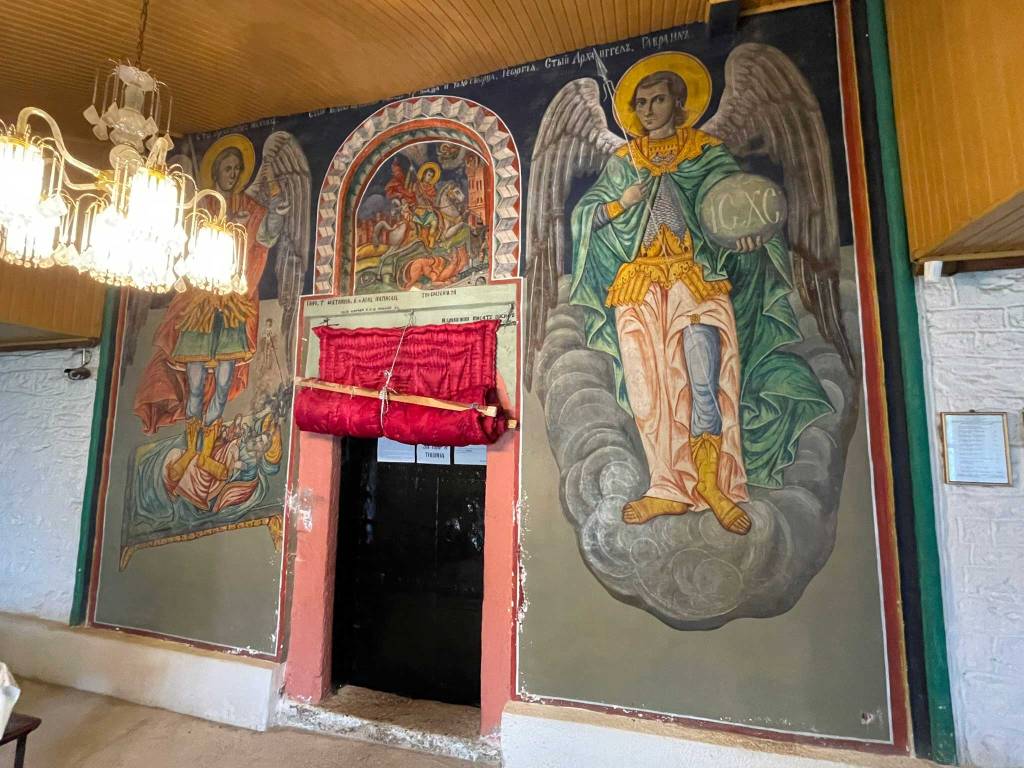

In the yard of St George a large number of graves can be seen, of Bulgarian soldiers who died near Capari during the First World War on the front line on Pelister mountain. Near the village there also is a Bulgarian military cemetery from this period which we did not visit. Location: N41° 03′ 26.9″ E21° 10′ 34.4″.
St Atanasija

You will pass the small church of St Athanasius on your way to the St Petka Monastery. The church was closed when we were there. Location: N41° 03′ 26.1″ E21° 10′ 16.6″.
Via Egnatia
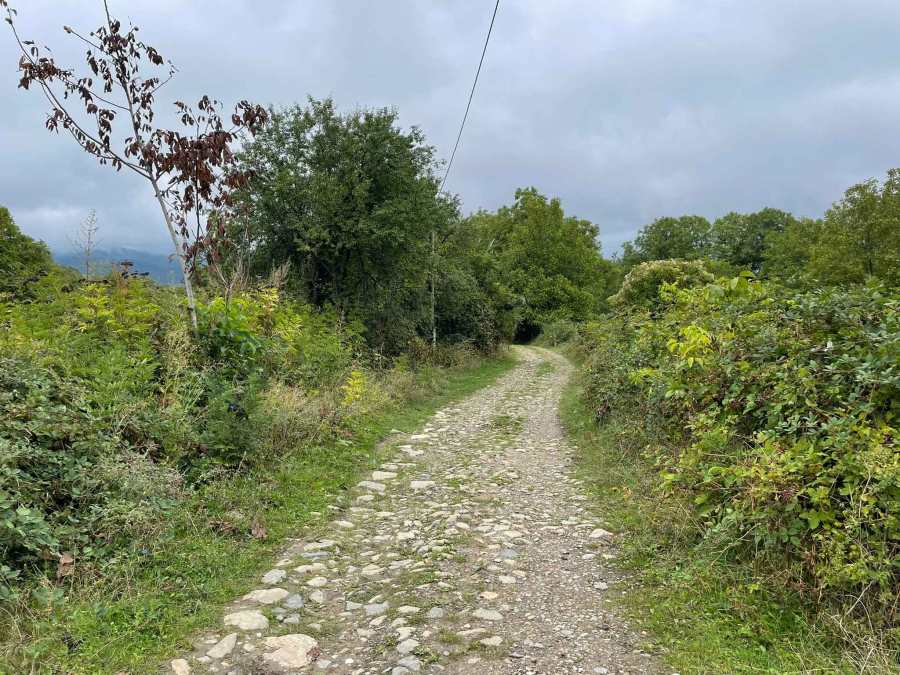
According to the caretaker of the churches, this road was part of the old Roman road Via Egnatia, which connected Ohrid with Bitola. Location: N41° 03′ 28.6″ E21° 10′ 25.8″.

Also this bridge near the Church of St George is believed to be build on the foundations of an old Roman bridge. Location: N41° 03′ 22.4″ E21° 10′ 32.5″.
After our visit to the churches we were invited by the caretaker to his house and we had tea and rakija together with him and his daughter. Then we continued to the village Rotino to visit another monastery and church.
 My Macedonia Blog