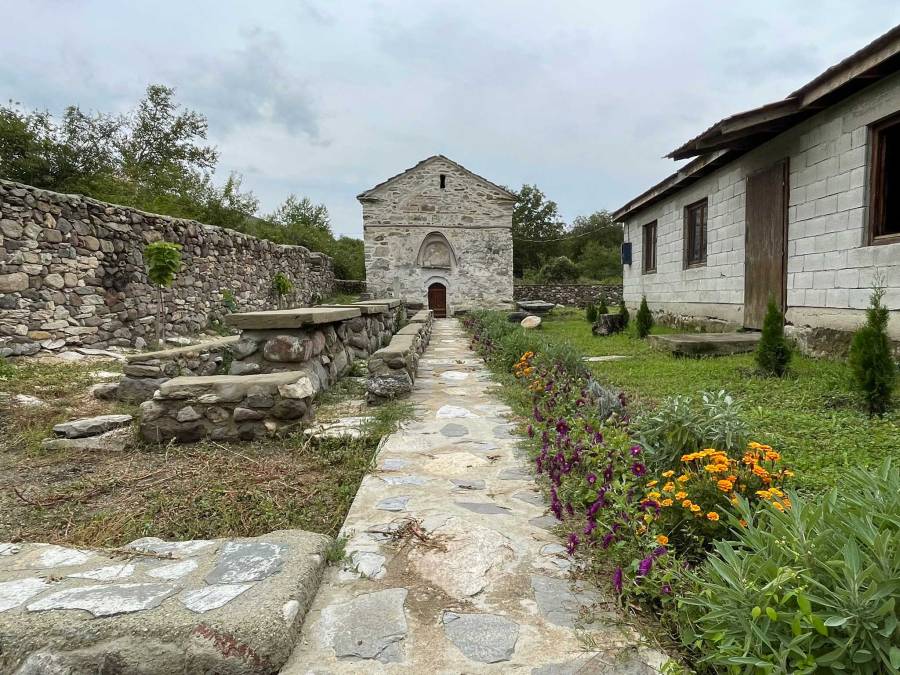
We visit the village Gradesnica (Gradeshnitsa) during a daytrip from Bitola through the Mariovo region. It is about an 1 h 15 min drive from Bitola. Before we arrived in Gradesnica we visited the village Zovich with its famous Movie Bridge.
St Dimitrij
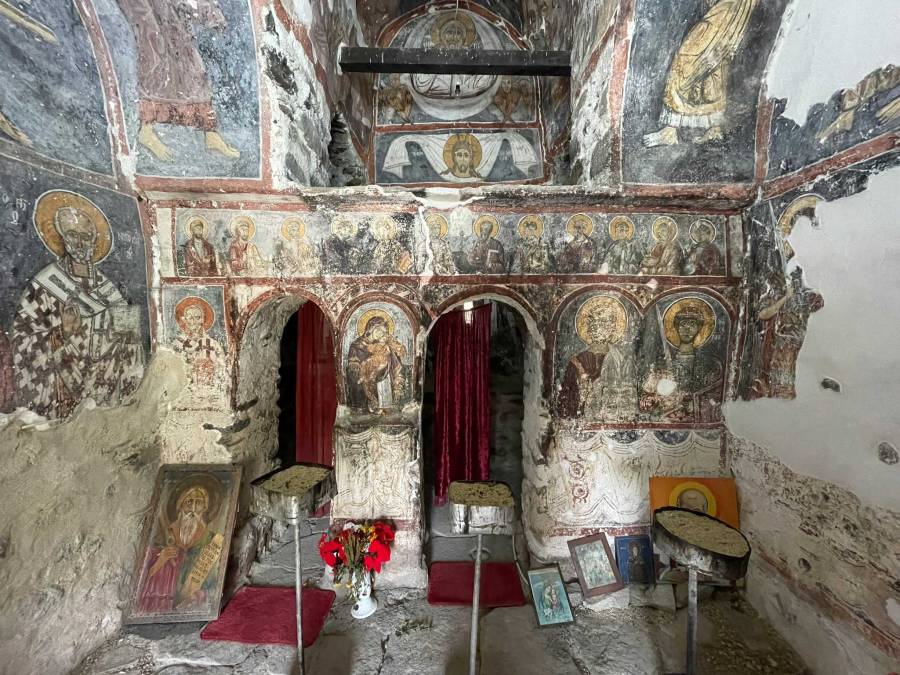
The highlight in Gradesnica unmistakably is the Church of St Dimitrij (St Demetrius), right at the entrance to the village. The church is likely from the 14th century. It has been suggested that the painting is from the end of the 14th and beginning of the 15th century, although others argue that the painting is from the early 16th century. The church is so remarkable because it has a stone iconostasis, which type started to appear in the 13th century on the territories under the Byzantine rule.
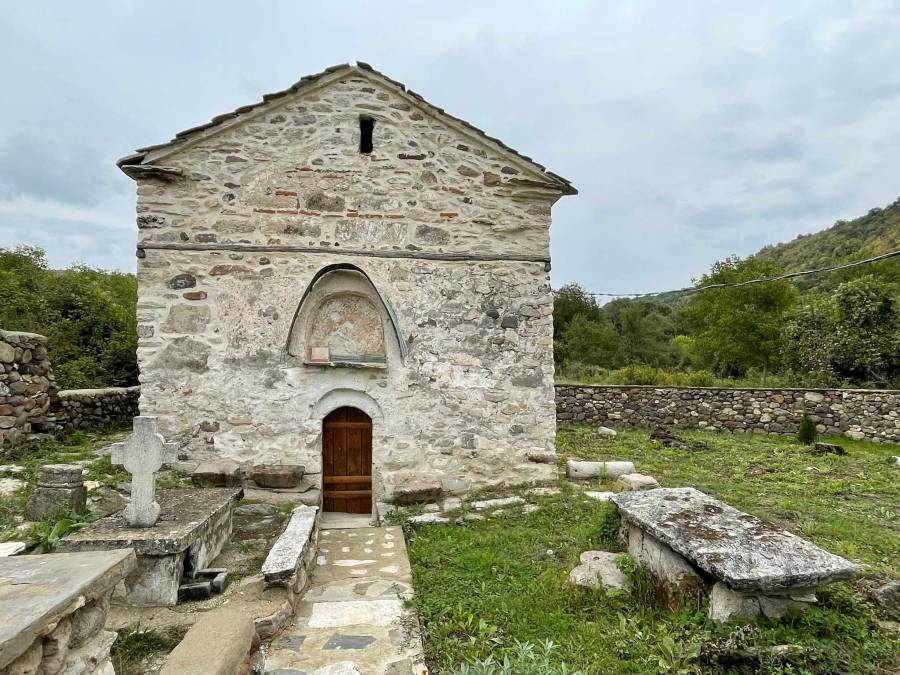
Only few other old churches in Macedonia have such a stone built iconostasis, for instance St George in Staro Nagorichane, St Nikola in Shopsko Rudare and St Athanasius in Sloestica. The Church of St Dimitrij was the only object in the village Gradesnica that was not damaged during the First World War. It took a direct hit by a grenade which did not explode but left a 60 cm hole in the roof. See here for more detailed info on the church. Location: N41° 05′ 02.1″ E21° 45′ 18.6″.
St Nikola
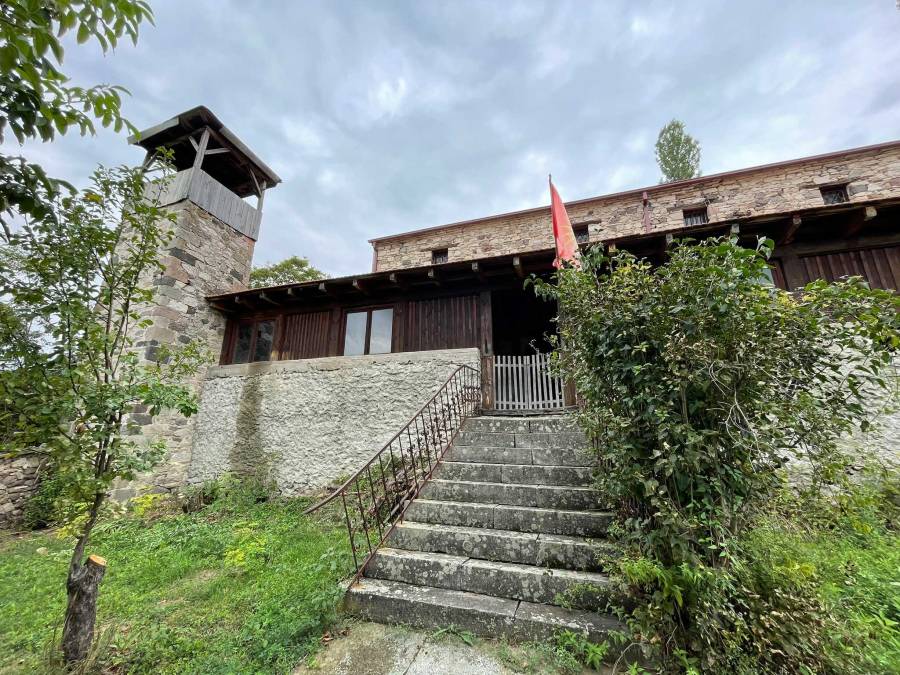
The Church of St Nikola (St Nicholas) is the next church that you will see when after entering Gradesnica. According to a sign the church was restored in1863, but it is not known when it was originally built. Other sources say it was built in 1862. The church of St Nikola was restored in 1923 after being severely damaged during WWI and the frescoes were restored in 1927. The frescoes in this church are worth a visit. The church was not locked when we visited. Location: N41° 05′ 04.5″ E21° 45′ 41.9″.
Victory
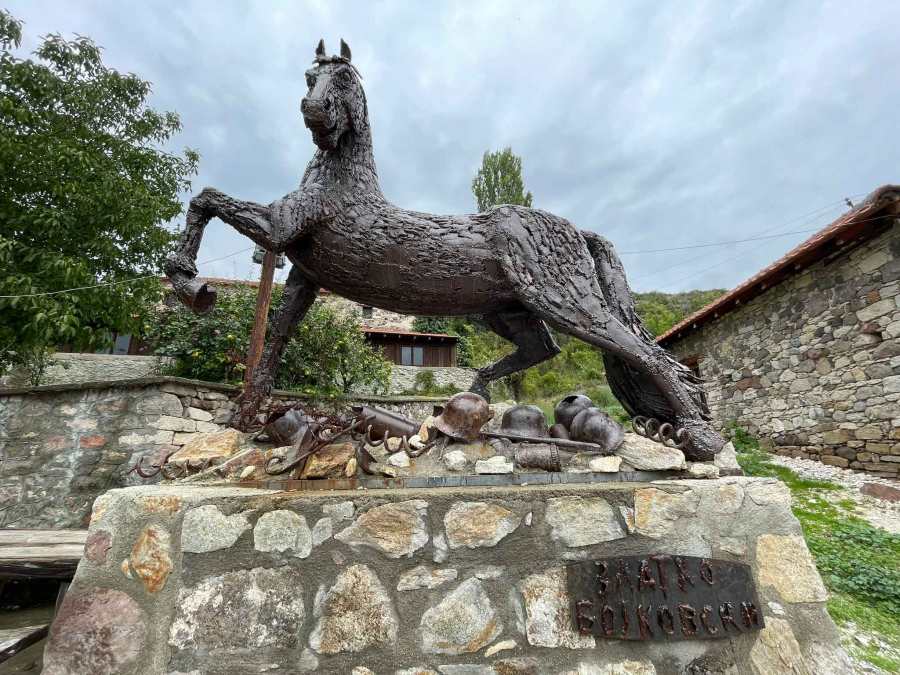
This stature of horse is located next to the Church of St Nikola in the center of Gradesnica. It was made by Zlatko Bojkovski who was born in Gradesnica and called “Victory – 100 years later“. The statue is dedicated to the victims of the First World War (1914-1918). Gradesnica suffered badly during the war, with the Macedonian front passing through the Mariovo region. The statue is made of shrapnel, bombs, helmets and other metal scrap collected by the artist. The use of the lethal explosives for the statue of the horse which has one lifted leg symbolizes the victory of life over death.
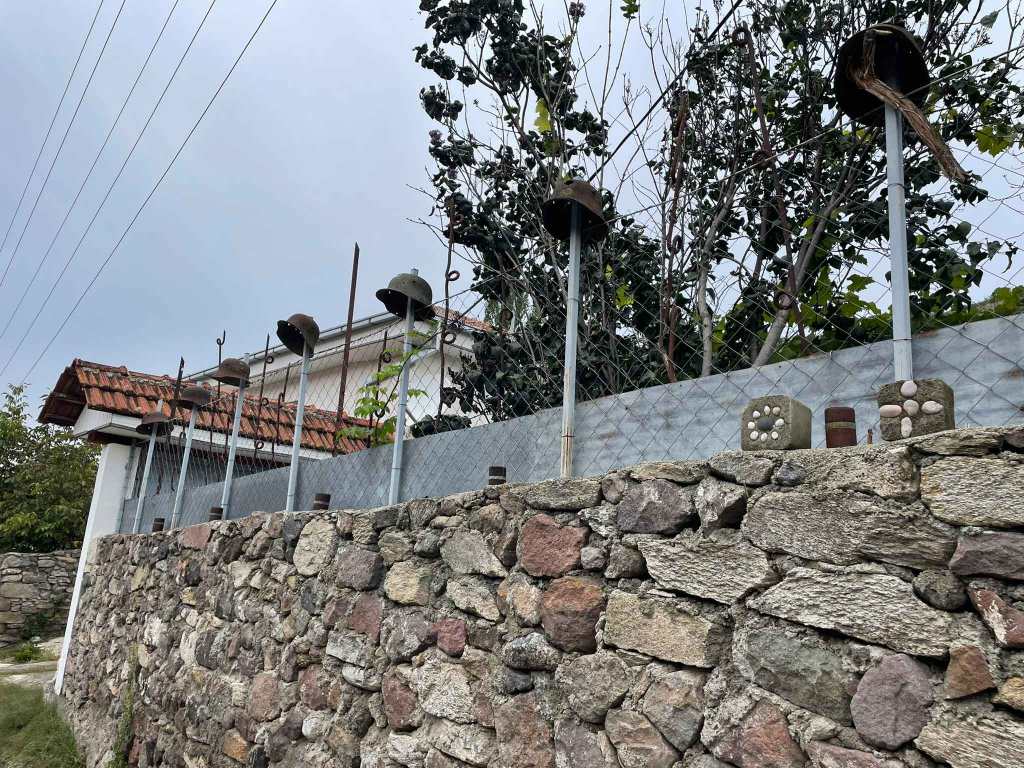
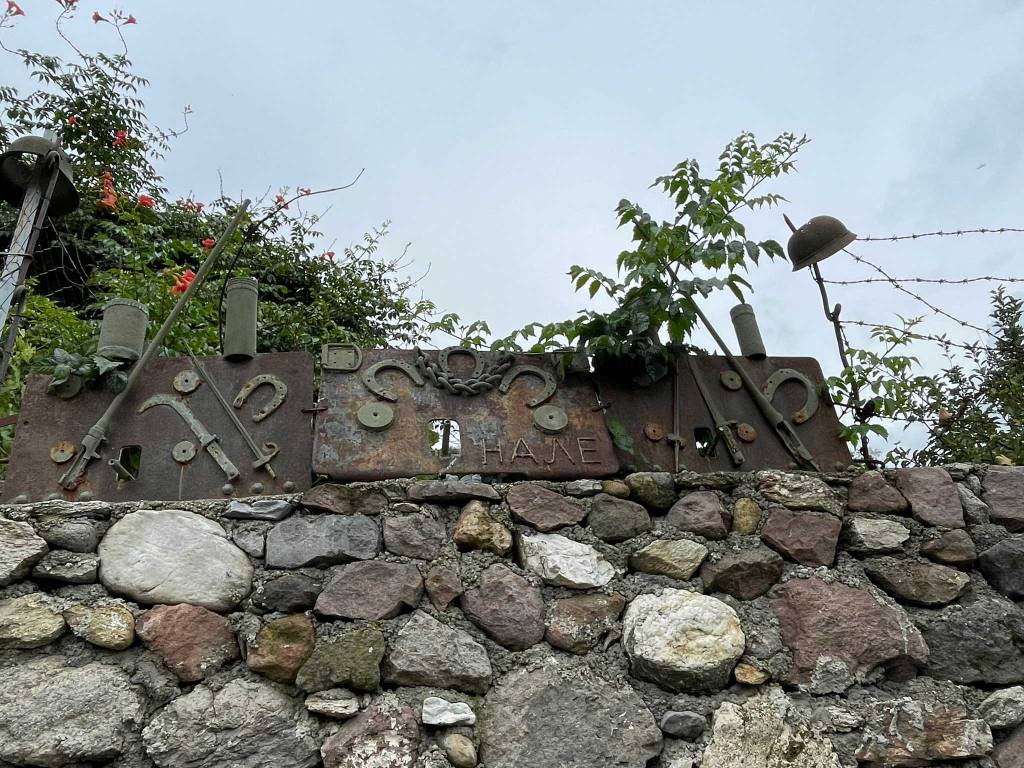
Also on the walls and fences of some of the houses in Gradesnica you can see items from WWI that were found by people on the former battlefields.
St George
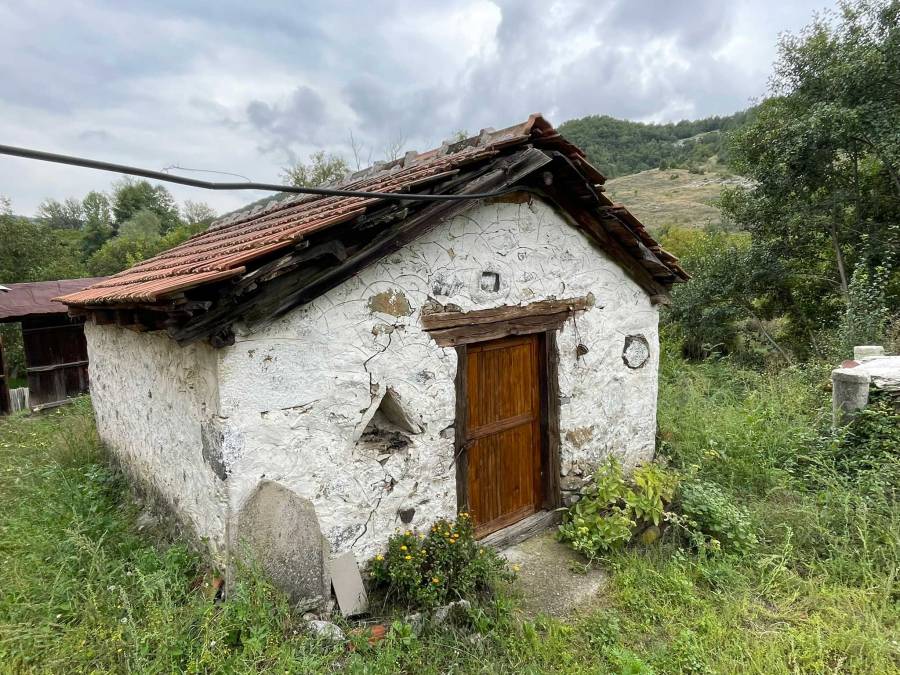
If you follow the main road further into the village, you can find the Church of St George on your right. It is believed that on the grounds of today’s churches dedicated to St George, St Antonij and St Spas there used to be a complex of Roman villages in the middle of the 2nd centuty to the end of the 3rd century.
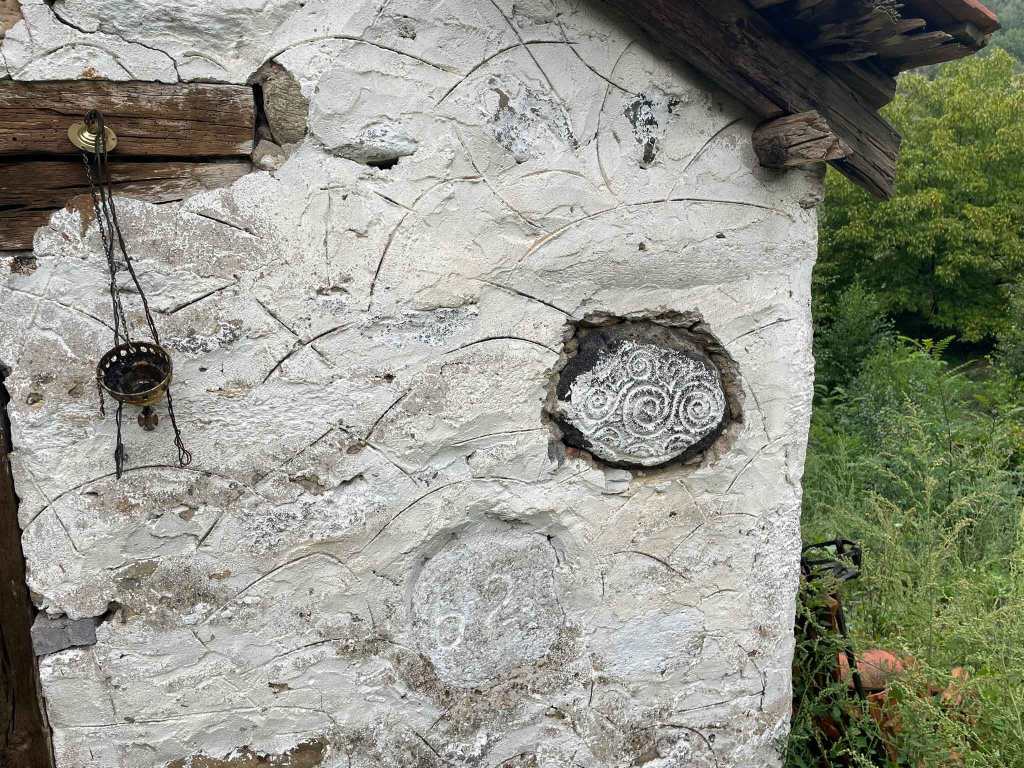
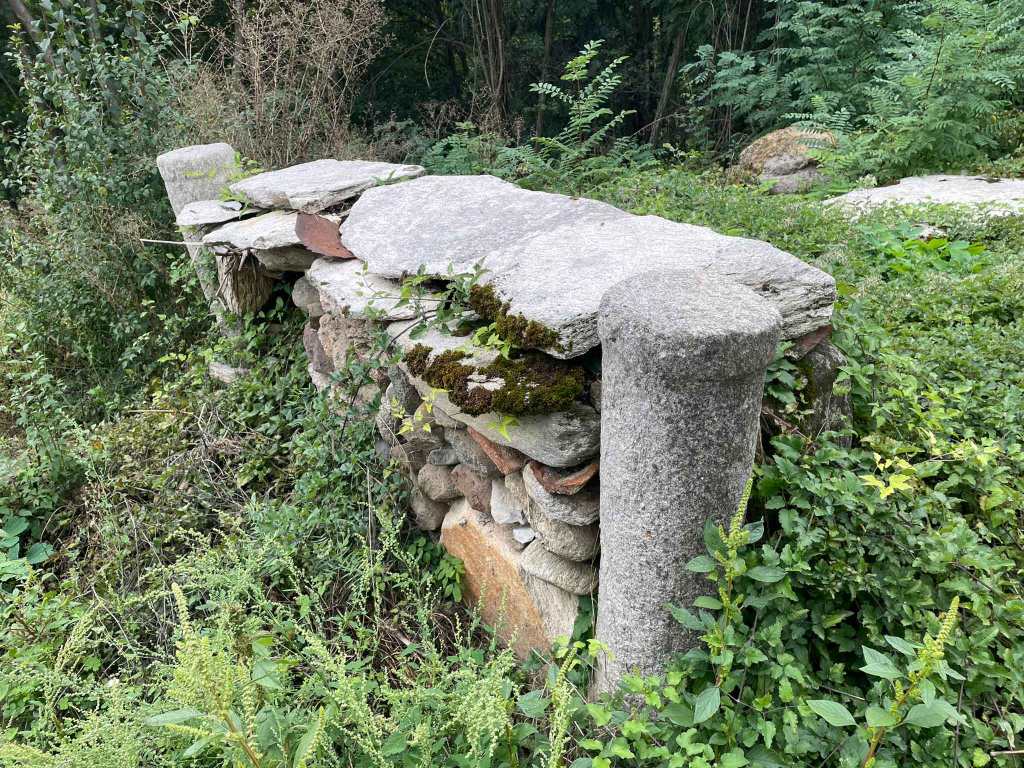
Today’s churches were built in the 1970-1980s on the foundations of early Christian churches. The Church of St George contains some interesting “spolia” (repurposed building materials) built into its walls and several stone pillars can be found near the churches. Location: N41° 04′ 59.5″ E21° 46′ 03.0″.
St Antonij
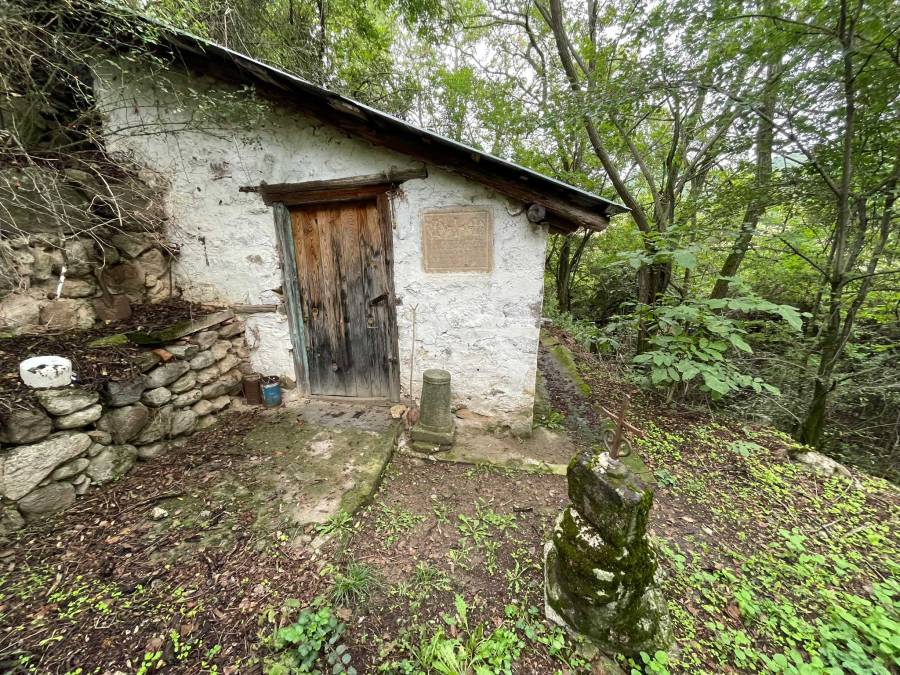
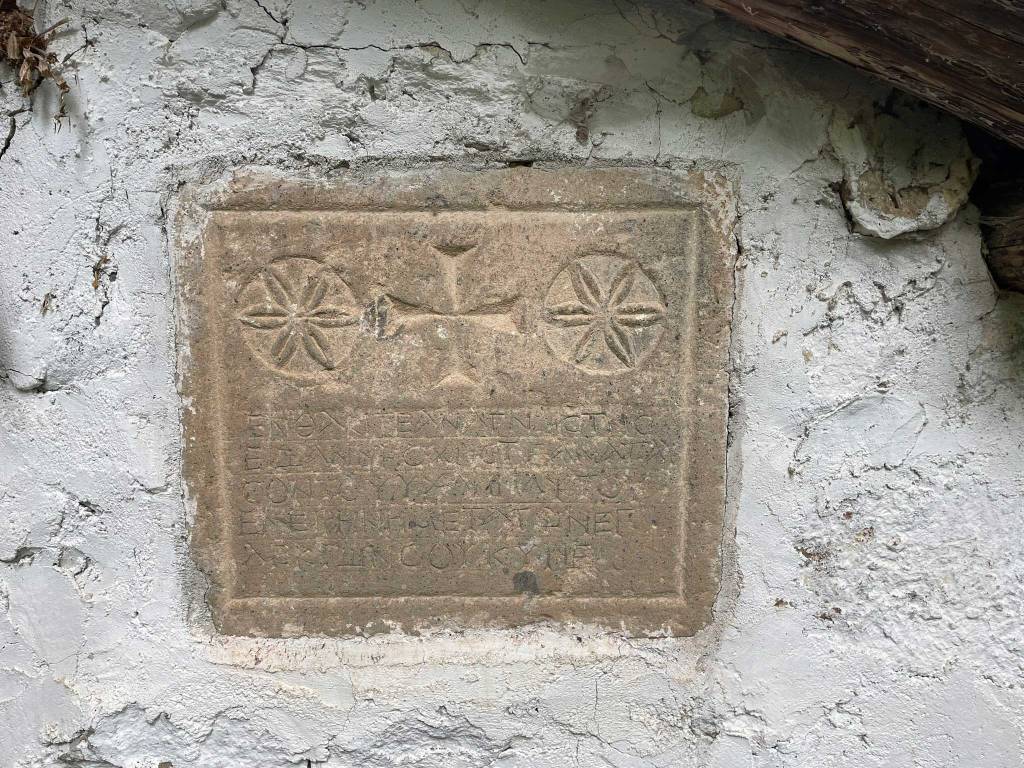
If you continue on the main road, the Church of St Antonij (St Anthony) is on your right hand. Also this church has a spolia with Greek inscription built into its walls and other older building material scattered on the premises. In the proximity of St Antonij there are some ruins.
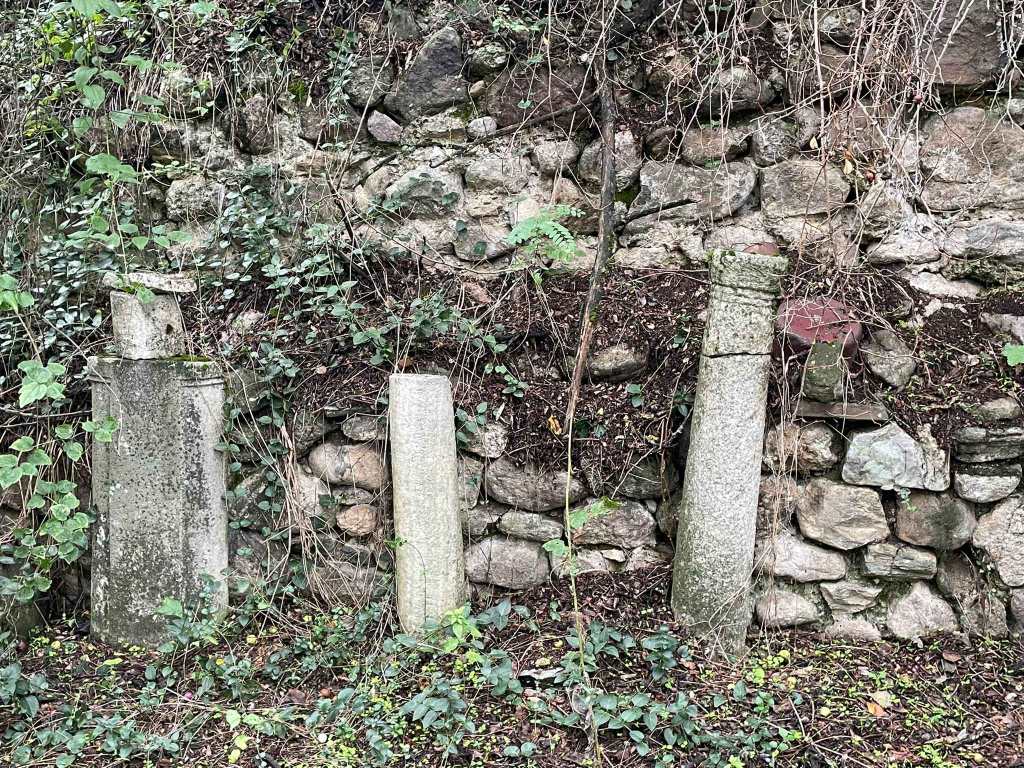
The Roman villa that stood here was converted into an early Christian temple in the 4th century. In its current form, the Church of St Anthony was built during the 1980s. There is a tombstone in the yard. Location: N41° 05′ 00.5″ E21° 46′ 12.5″.
St Spas
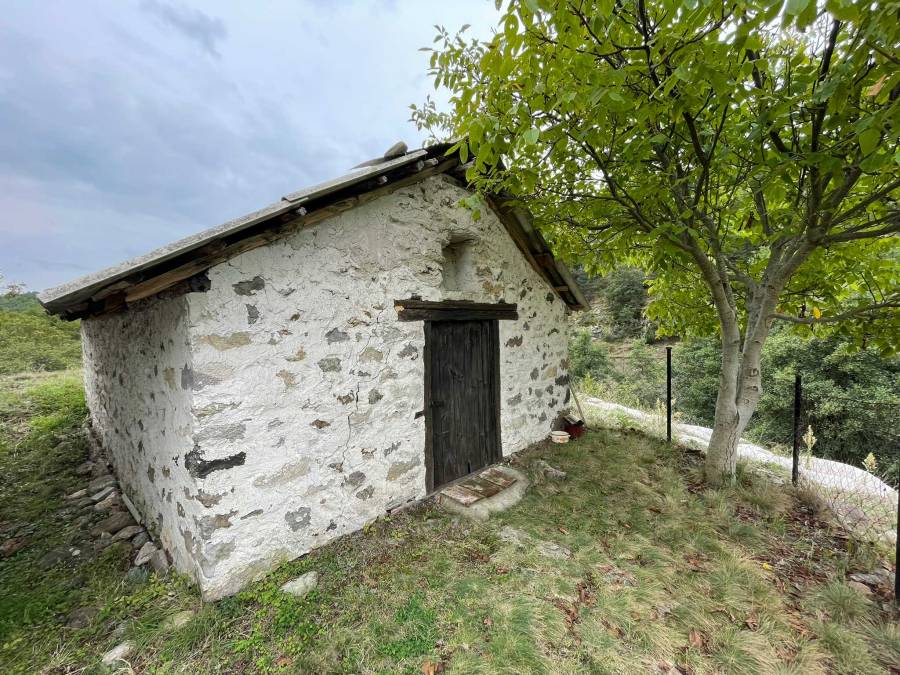
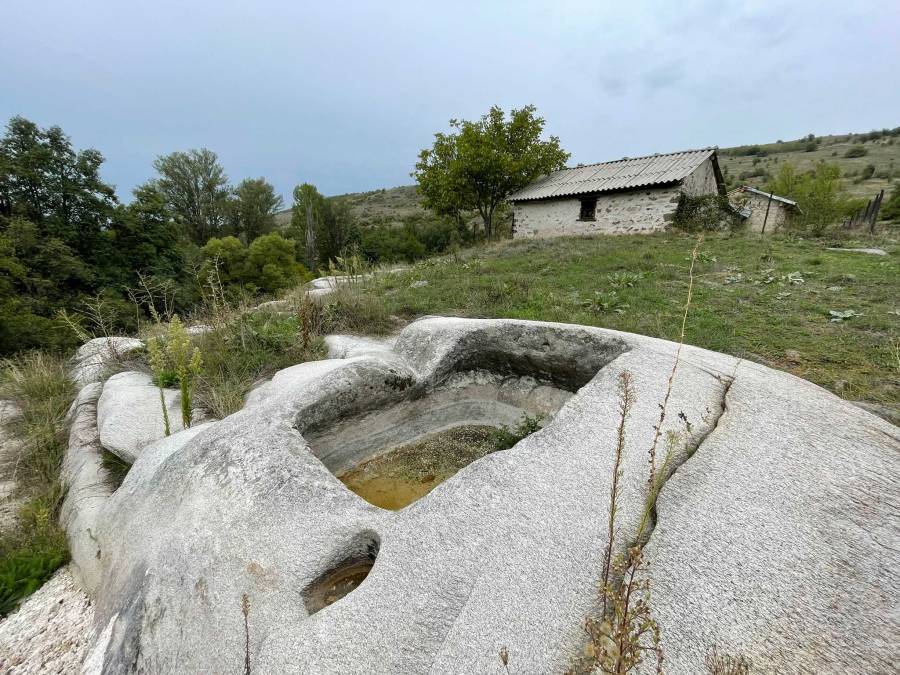
The Church of St Spas (Holy Salvation) is located a few hundred meters from St Anthony. Also this site was part of the old Roman settlement and used for the production of wine, as witnessed by the holes in the rocks next to the church in the picture below. Location: N41° 04′ 57.2″ E21° 46′ 15.6″
Due to time constraints we did not visit the remains of the Roman Fortress Peshta on a hill near the village, which can be reached via a dirt-road that starts just before St Dimitrij (Location: N41° 05′ 17.1″ E21° 44′ 39.0″).

We also did not visit the Monastery of St Athanasius from the 1980s and St Ilija in the Bren Monastery, which are both located in the vicinity of Gradeshnica.
After our visit to Gradesnica we continued our trip to the village Staravina.
 My Macedonia Blog