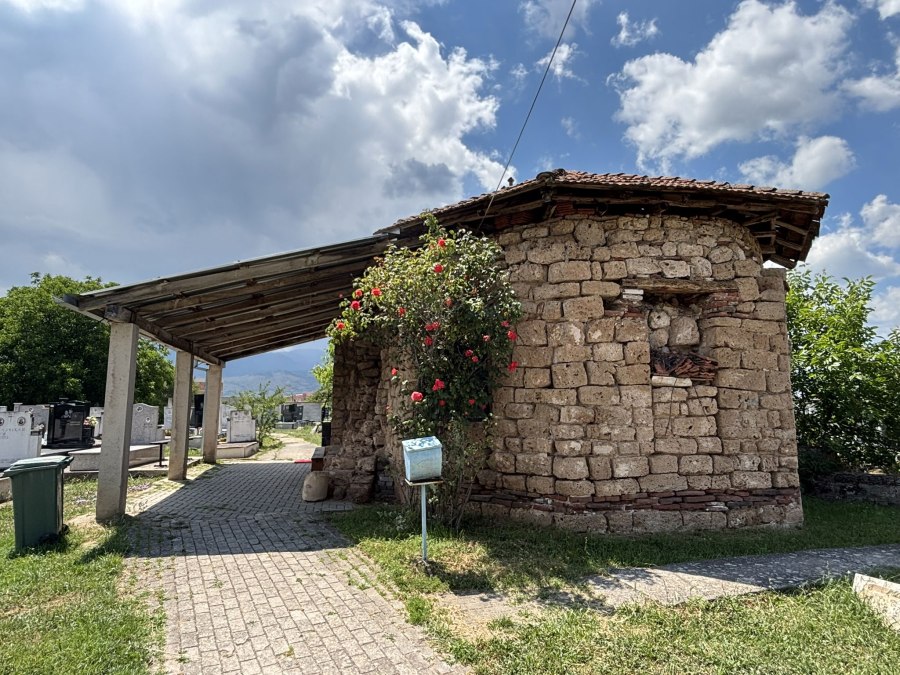
The village Vranishta is close to Struga, along the way from Struga to Debar. We visited Vranishta during a short daytrip from Ohrid, after we had hiked up to the ruins of the Trebenishta Fortress.
The main reason to come to Vranishta was the 10th or 11th century church of St Bogorodica, also known as “Vovedenie na Presveta Bogorodica”, which translates as “Presentation of the Virgin Mary”. The church is also referred to as “Royal Church“, since according to legend the church may have been founded by Tsar David or Tsar Samuel.
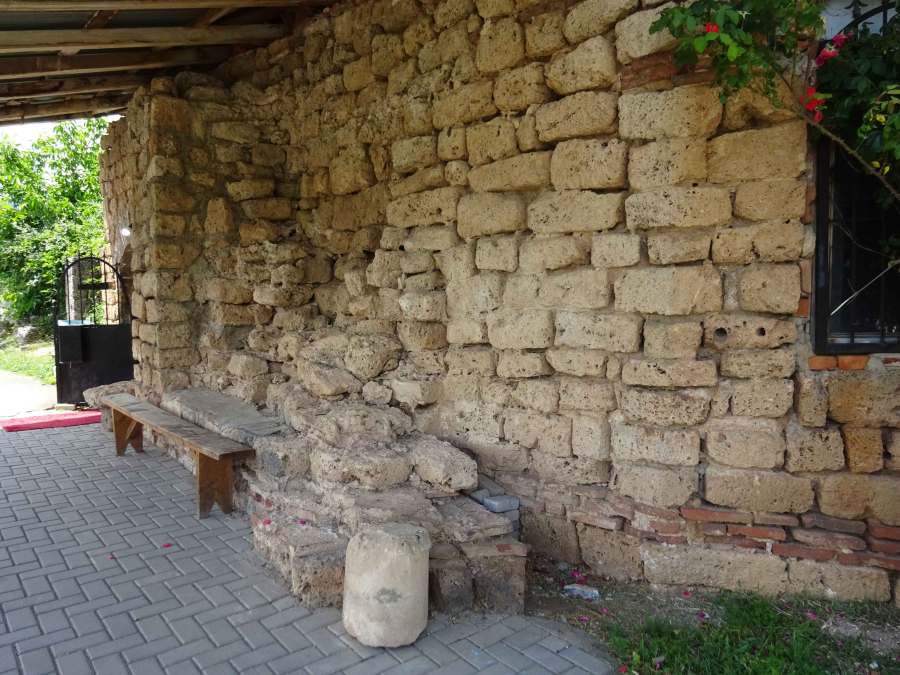
The church is located in the north of Vranishta on the local cemetery. The exact construction date is uncertain. The original building apparently was much larger than the structure that is visible today.
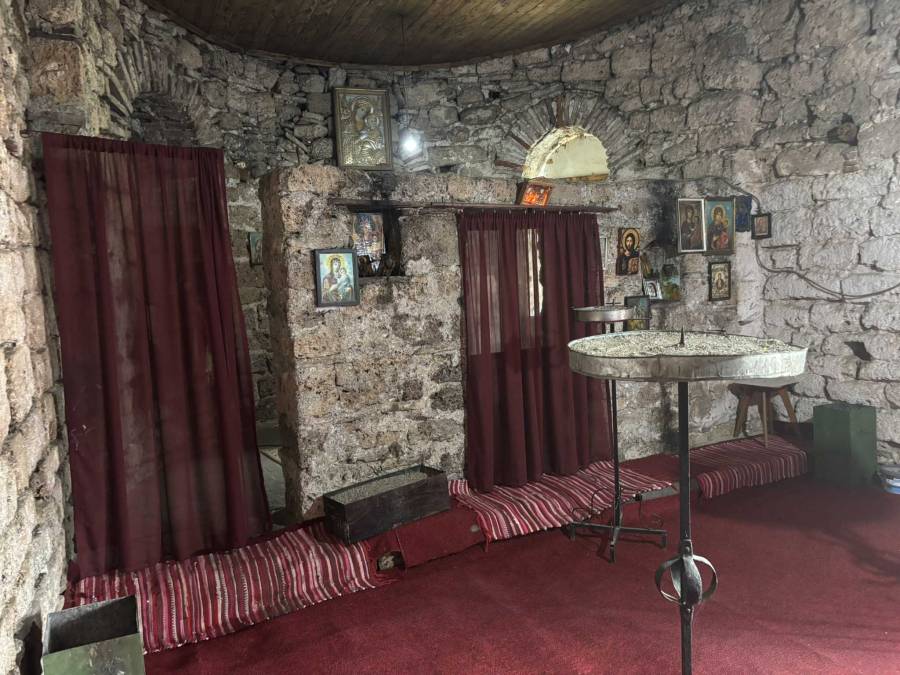
The stones of the church are said to be transported from the area of Vishni or Zagrachani on Jablanica Mountain. According to tradition 5,000 people formed a human chain and passed the building stones from hand to hand.
After the church was destroyed, only the part of the altar section survived. This was later enclosed and roofed to create the small present-day chapel. The site was declared a cultural monument in 1953.
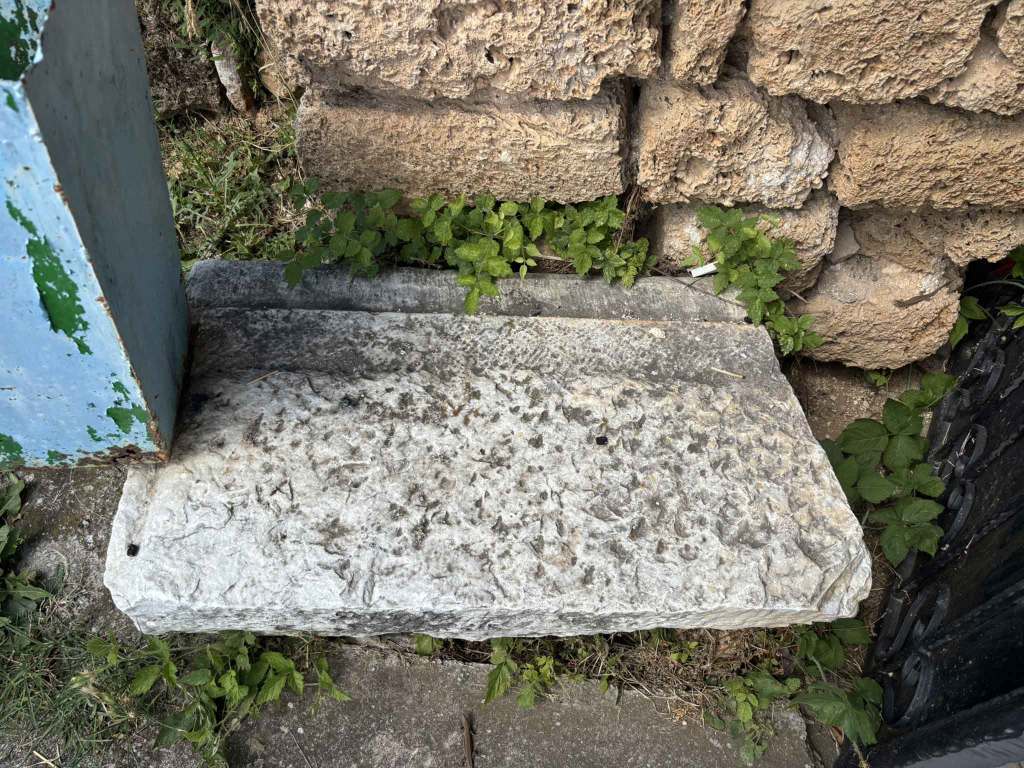
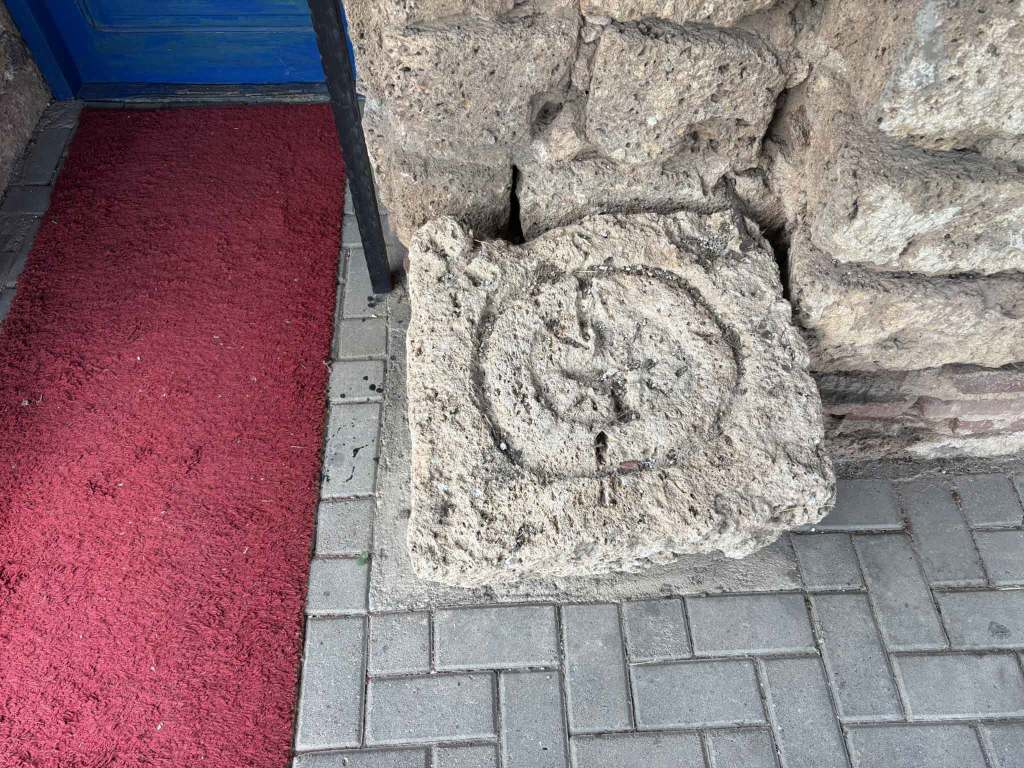
There are several other legends connected to the church. One of them is that Tsar Samuel married in this church. He entered through a special doorway, that was walled up after the wedding, because no ordinary person was supposed to use the same entrance. Another legend says Tsar Samuel was crowned here. Samuel was allegedly ill while staying in an ancient settlement near Vraništa. After being brought to the sanctuary, he was miraculously healed and subsequently crowned there. There is no proof for these claims.
Yet another legend claims that Apostle Paul himself established an earlier church on the site, supposedly the first Christian sanctuary in Macedonia. This cannot refer to the surviving medieval structure but could represent a tradition of an older sacred site. Apostle Paul is believed to have buried a cedar chest beneath the sanctuary. It contained a white stone touched by Christ’s blood and three nails connected with the crucifixion. Its healing power supposedly explains Samuel’s recovery and the holiness of the site. Location.
St Nikola and Museum
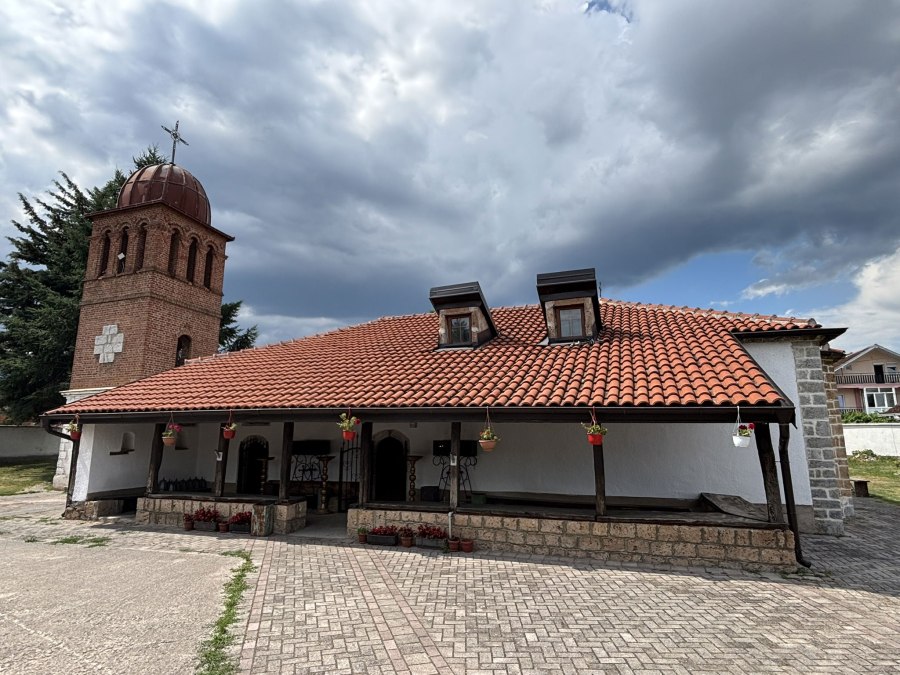
Next, we visited the Church of St Nikola in the center of Vranishta. The gate to the church was locked, but after we asked a local boy he called for somebody with the key to open the church for us.
The church of St Nikola was renewed or rebuilt in 1804, likely on the location of an older medieval church. In 1868 and 1879 additional frescoe painting was performed.
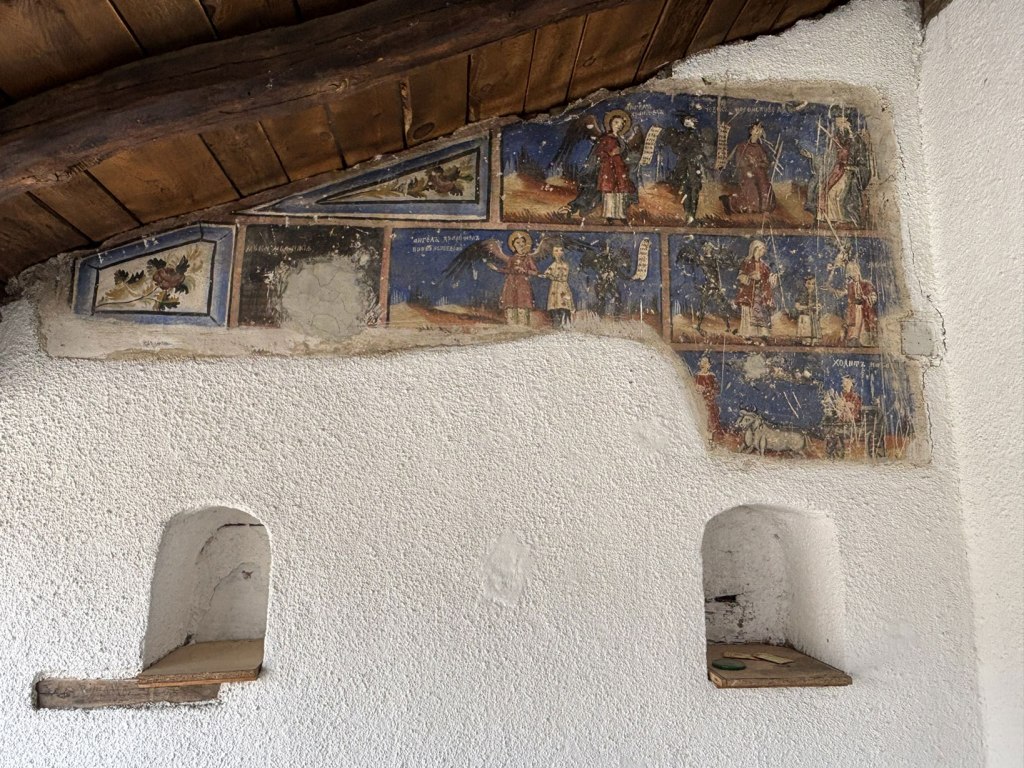
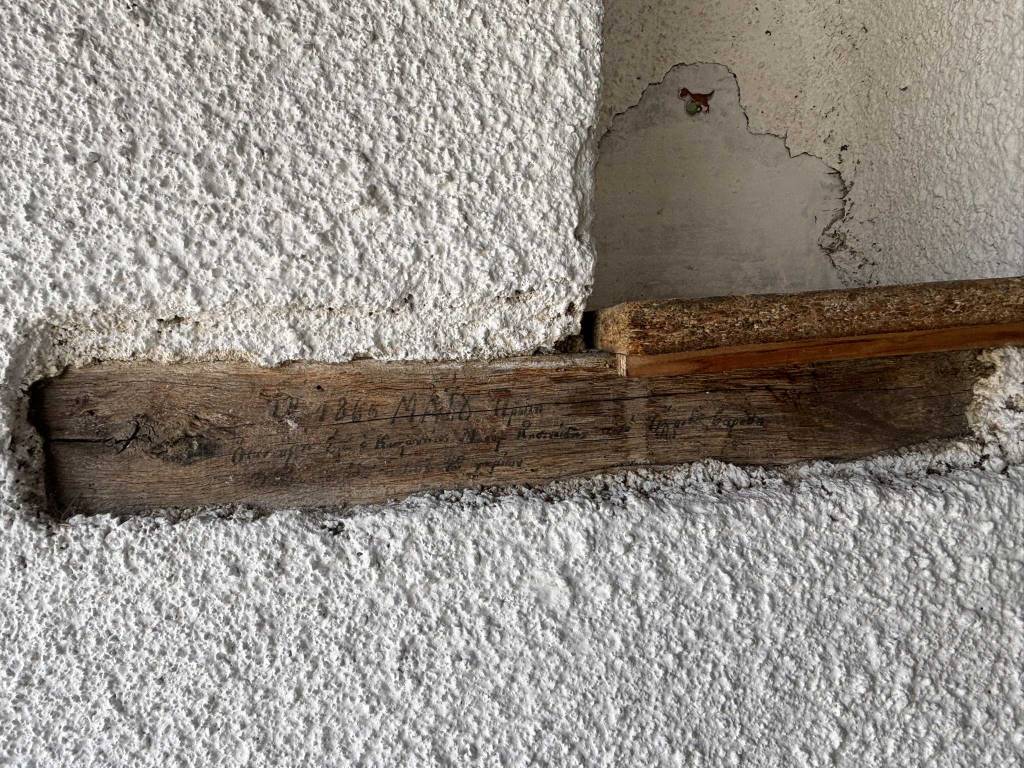
A beam incorporated in the outside wall of the church seems to have an inscription with 1865. There are some frescoes on the outside wall as well.
The church door is opened with a large and heavy antique key.
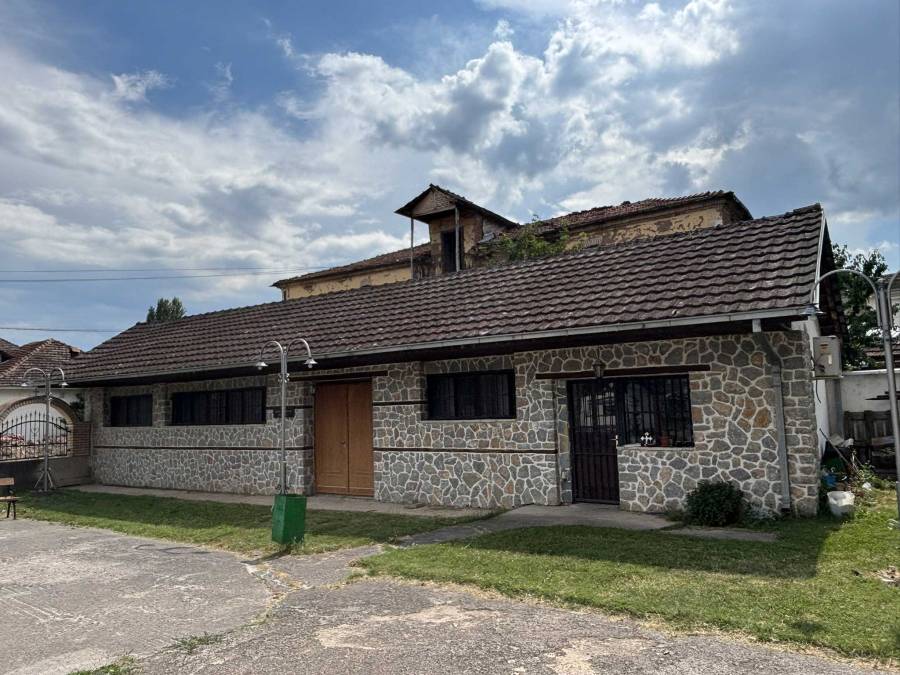
Interestingly, there also is a small museum on the church’s grounds, opened in 2014. It contains archeological findings, icons and 16th century royal doors. Location.
We ended our daytrip in the Etno Restaurant in the village Kalishta at Lake Ohrid.

